

Something shifted in how British people think about outdoor space. What used to be a nice-to-have, maybe a bit of decking and a barbecue dragged out twice a year, has become something closer to a design obsession. I’ve watched friends spend more on a 4-metre courtyard than they ever spent on a living room, and not feel remotely embarrassed about it. The garden, even a tiny one, has become genuinely aspirational.
The numbers back this up. According to the ONS household expenditure data, spending on garden products and outdoor improvements has grown consistently since 2020, and it hasn’t plateaued. Industry estimates from the Horticultural Trades Association put UK garden retail at over £7.5 billion a year. That’s not a lockdown blip. That’s a structural change in how people value the space outside their front or back door.
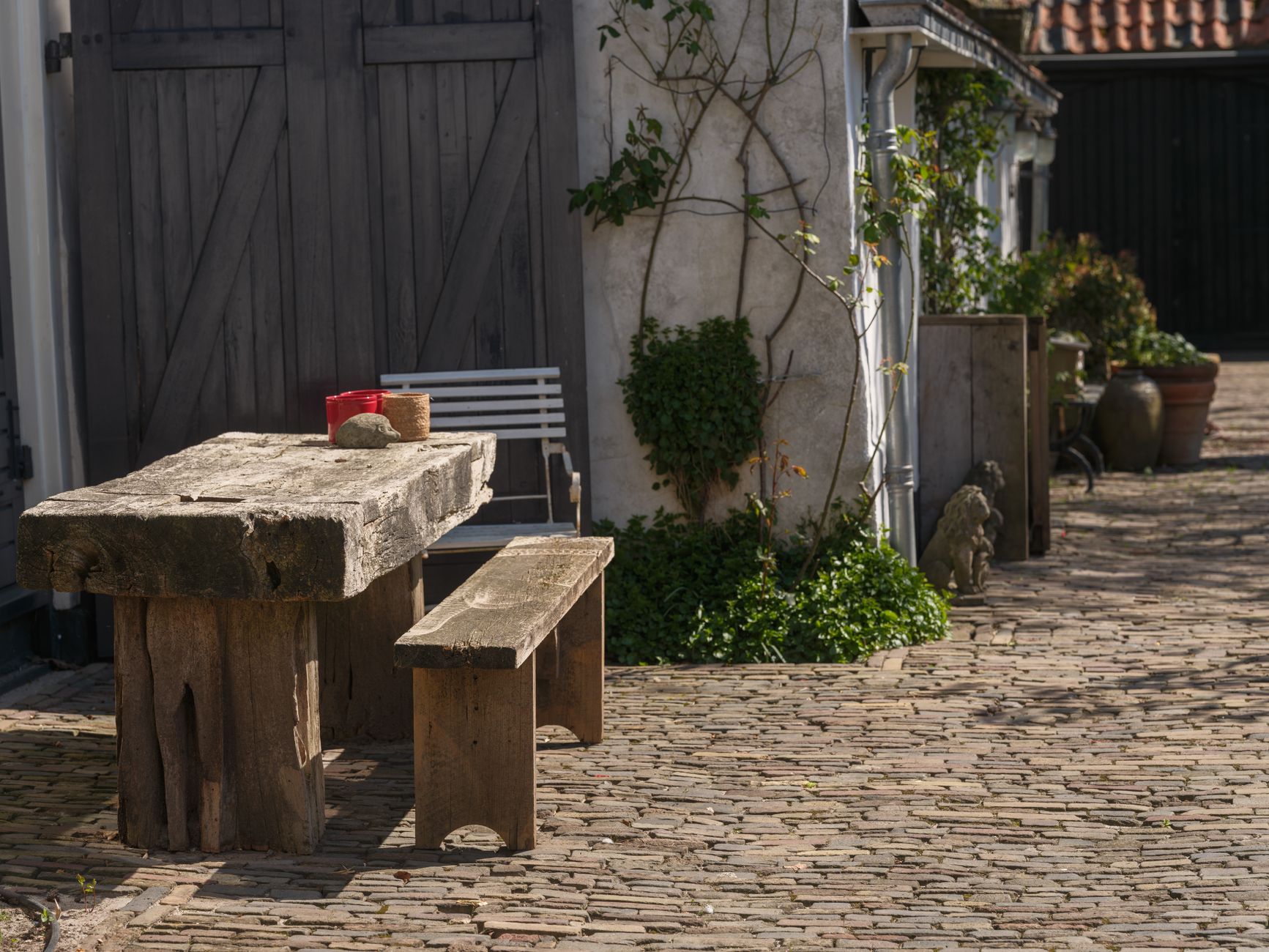
Small garden ideas UK 2026, what people are actually spending on
The most interesting part of this boom isn’t the money itself, it’s where it’s going. It’s not all patio sets from garden centres. The spending has become layered and, frankly, more considered than ever before.
At the lower end, grow-bags and container planting have exploded. Renters with a single balcony in Manchester or Leeds are dropping £150 to £300 on raised planters, premium compost, and heritage tomato seeds. There’s a whole aesthetic around it now, terracotta, linen gardening gloves, ceramic label markers. The line between gardening and lifestyle content has basically dissolved. If you spend any time on Instagram or TikTok, you’ll have seen the ‘balcony garden reveal’ format, which is genuinely one of the more satisfying things on the internet right now.
Further up the budget scale, the courtyard transformation is having a serious moment. City terraced houses with a 3m x 5m back yard that would have previously housed a wheelie bin and some cracked paving are being turned into something closer to a boutique hotel terrace. We’re talking engineered timber decking, bespoke steel planters, outdoor lighting rigs, and drought-resistant planting schemes borrowed from Mediterranean garden design. Landscapers in cities like Bristol, Birmingham, and London are booked out months in advance. I spoke to one designer based in Hackney who told me her average project spend in 2025 was £8,000, up from around £4,500 in 2022.
Who’s driving this, and why now
The obvious answer is that pandemic habits stuck. And they did, partly. But I think there’s something more specific happening with younger homeowners and renters who have internalised the idea that your immediate environment actively affects your mood and mental health. That’s not woo, it’s just something people have come to accept. If you care about transforming a temporary space into something genuinely beautiful, the garden or balcony is the next frontier after you’ve sorted the living room.
There’s also a housing market dimension to this. With so many people staying put rather than moving, improving what you have has replaced upgrading to something bigger. A garden renovation doesn’t require a mortgage conversation. It’s a relatively accessible way to materially improve your daily life without the chaos of a house move. Spending £2,000 on a proper outdoor seating area feels rational when the alternative is moving to a bigger place and absorbing tens of thousands in stamp duty and legal fees.
Renters are in on this too, which surprised me when I first noticed it. The logic is different, but real: if you’re spending £1,400 a month on a flat with a tiny courtyard, making that courtyard liveable is an investment in your quality of life, not the landlord’s property value. People have separated those two ideas. They’re not spending to add equity, they’re spending to actually enjoy where they live. That’s a mindset shift worth paying attention to.
The plants vs. hard landscaping debate
One tension I find genuinely interesting in all of this is where people are putting their money: soft planting or hard landscaping. The two camps are distinct, and they talk about gardens in completely different ways.
The soft planting crowd is growing edibles, pollinator-friendly perennials, and building wildflower patches in raised beds. They’re interested in ecology and food provenance, and the garden is partly political for them. There’s real crossover here with the broader shift in how British consumers think about food, not unlike the impulse behind the current wave of interest in genuinely local and seasonal eating. Growing your own runner beans two metres from your kitchen feels like a coherent response to food anxiety and supermarket costs.
The hard landscaping crowd is thinking in terms of rooms. Outdoor dining. A fire pit area. A pergola that works in November with the right lighting and a heat lamp. They want the garden to function like an extra room for as many months of the year as possible, which in Britain means engineering it for bad weather, not just good. That means decent drainage, covered structures, and outdoor rugs rated for rain. It’s a much higher upfront cost but the payoff, in terms of actual usable space, is real.
Small garden ideas that are actually worth the money
If you’re looking at your outdoor space and wondering where to start, a few things come up consistently in conversations with people who’ve done this well. Lighting is always the one people wish they’d prioritised earlier. A string of decent weatherproof lights or a few well-placed ground spikes transform a garden after 6pm and cost less than you’d think. Good quality compost and soil, rather than cheap bags from a supermarket, makes an enormous difference to what you can grow in containers. And vertical space is chronically underused in small gardens, wall-mounted planters and trellis systems can turn a bare fence into a green feature without taking up any floor area.
The broader point is that good small garden ideas in 2026 aren’t really about size. They’re about intentionality. The gardens that look genuinely impressive on a 15 square metre footprint are the ones where someone made deliberate choices rather than accumulating stuff over time. That’s the same instinct behind the quiet luxury aesthetic that’s taken hold across British interiors and fashion, fewer things, better chosen, with a clear visual language running through them.
Whether you’ve got a terrace in Edinburgh or a balcony in east London, the outdoor space conversation in Britain has genuinely changed. People care. They’re spending. And honestly, walking out into a space you’ve actually invested in, even a small one, on a bright morning in May, feels like one of the more underrated pleasures going.
Frequently Asked Questions
What are the best small garden ideas on a tight budget in the UK?
Container planting is one of the most cost-effective ways to transform a small space. Grow-bags, terracotta pots, and a bag of good quality peat-free compost can create a genuinely attractive balcony or courtyard setup for under £100. Vertical planters and wall-mounted trellises are also excellent for maximising limited floor space without a large spend.
How much does it cost to landscape a small garden in the UK in 2026?
A basic tidy-up and replanting from a local landscaper typically starts around £500 to £1,500. A full courtyard redesign with decking, planting, and lighting in a city terrace is more likely to run between £5,000 and £15,000 depending on materials and location. London and South East prices tend to run 20 to 30 per cent higher than the national average.
Can renters invest in their garden without losing money?
Yes, if you focus on moveable investments: container plants, freestanding furniture, plug-in lighting, and modular raised beds. These all come with you when you leave. Check your tenancy agreement before making any permanent changes like decking or trellis attached to fences, as landlord consent is usually required.
Leave a Reply