

Something has shifted. The dishes that used to get written off as peasant food, pub grub, or your nan’s Sunday project are now showing up on tasting menus, winning awards, and pulling queues down the street. British comfort food in 2026 isn’t riding a nostalgia wave, it’s being taken seriously in a way it genuinely never has been before, and I’d argue it’s overdue by about forty years.
This isn’t about slapping truffle oil on a chip and calling it elevated. The chefs and home cooks making waves right now are doing something more interesting: they’re respecting the structure of classic British cooking while pushing the ingredients, technique, and presentation hard enough to make food critics sit up properly. The results are surprising, delicious, and very much worth paying attention to.
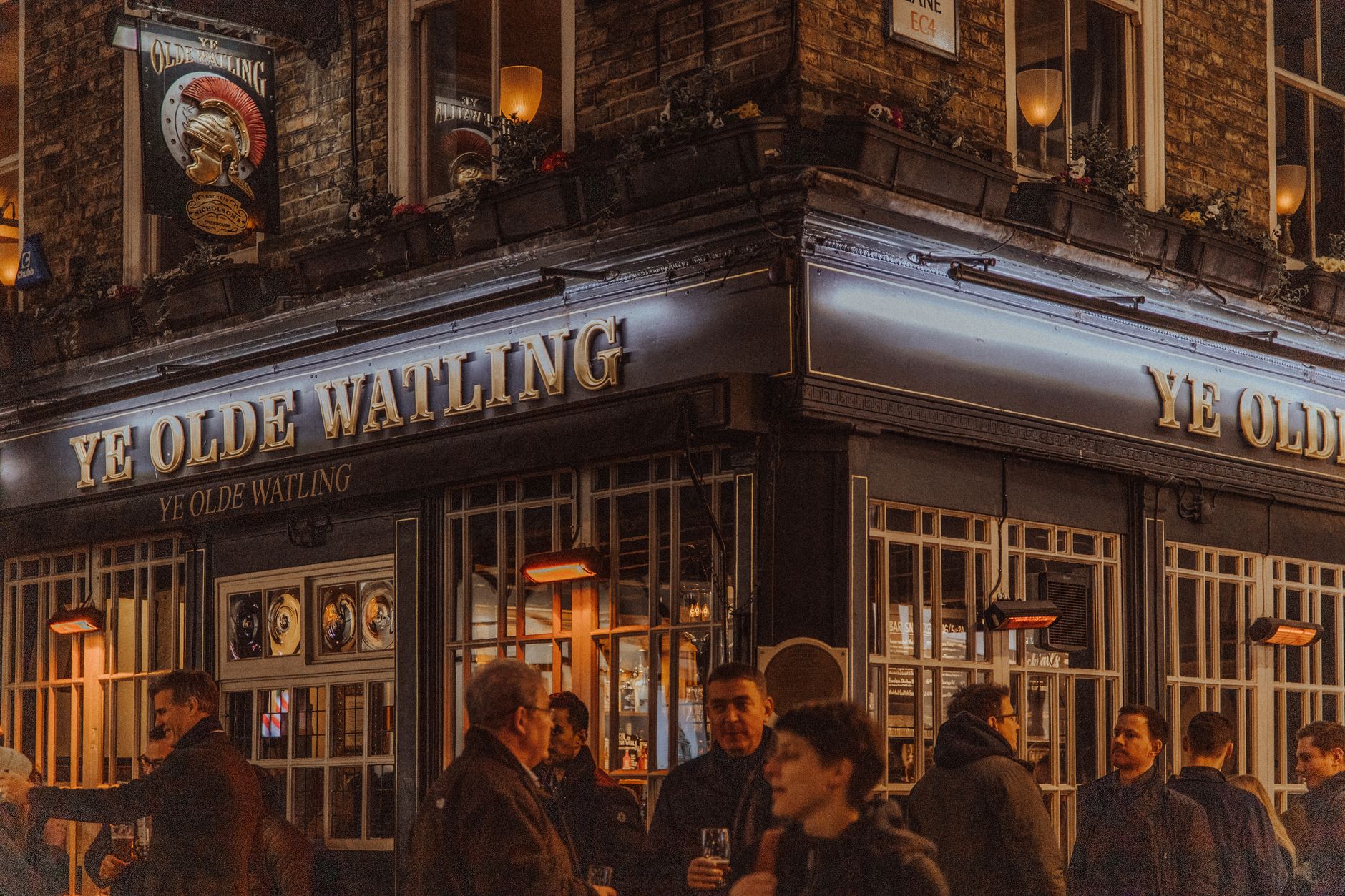
Why British comfort food is having its moment right now
The timing makes sense when you look at the wider picture. After years of British diners chasing the next international trend, there’s been a quiet but unmistakable swing back towards the familiar. Part of it is economic, eating out less means the occasions you do go out feel more considered, and spending £18 on a plate of properly made pie and mash feels far more satisfying than a forgettable fusion dish at twice the price. Part of it is cultural confidence. British food used to carry this apologetic energy, like it knew it wasn’t French. That’s gone now.
The BBC Food archive has tracked rising search interest in traditional British recipes for the past two years, and restaurant reservation data from platforms like OpenTable backs that up, bookings for restaurants explicitly describing British comfort cooking have grown significantly since 2024. Supper clubs, pop-ups, and residencies built around dishes like braised oxtail, bread and butter pudding, and proper Cornish pasties are selling out faster than the Michelin-starred tasting menus they sit alongside.
The chefs redefining the pie, the pudding, and everything in between
Tom Brown at Cornerstone in Hackney Wick has been doing something genuinely clever with British coastal cooking for a few years now, fish and chips reimagined with real craft, using day-boat fish and beef dripping in a way that makes you rethink the dish entirely. His chips aren’t a side thought; they’re the point. Then there’s Geri Sherlock, whose Edinburgh supper club has built a cult following around her elevated Scottish larder, cullen skink served with house-made sourdough, cranachan deconstructed but not in the annoying way, clootie dumpling given the slow-cook treatment it deserves.
Down in Bristol, a small restaurant called The Ordinary has been getting serious attention for doing nothing flashier than cooking British food with the rigour usually reserved for French bistro cooking. Their steak and kidney pudding takes two days to make. Their bread sauce is a reason to visit in itself. Head chef Priya Kapoor told an interviewer earlier this year that the project started as a half-joke and became a genuine obsession once she realised how technically demanding classic British recipes actually are when you refuse to cut corners.
Home cooks are part of this story too
The restaurant side gets the press coverage, but british comfort food 2026 is equally being driven from home kitchens. Social media has genuinely changed how people engage with these recipes, not through glossy, impossible food photography, but through the kind of real, process-driven content that shows someone spending a Saturday getting their shortcrust pastry right. TikTok accounts dedicated to British baking, regional stews, and proper custard technique are pulling hundreds of thousands of views. The comments sections read like community cookery classes.
This connects to something I’ve noticed more broadly: people are investing in what’s theirs, whether that’s buying preloved rather than fast fashion (as we covered in our piece on how preloved became the British consumer’s default choice) or choosing to master a proper Lancashire hotpot rather than ordering another takeaway. There’s a reclaiming energy to it. And honestly, when a 22-year-old in Nottingham is posting videos on how to get the perfect suet crust, something cultural is actually happening.
Which dishes are getting the most creative reinvention?
Pie and mash is probably the poster dish for this whole movement. The East End original, minced beef or eel, liquor sauce, white mash, is being worked on by chefs who grew up eating it but studied classical technique. Some are keeping the liquor green and parsley-forward but enriching it with a proper bone broth base. Others are swapping the filling for slow-braised lamb shoulder or wild mushroom and blue cheese, which sounds like fusion but actually respects the format completely.
Puddings are having an equally interesting moment. Sticky toffee pudding, which has been on every gastropub menu since approximately 1997, is finally being done at a level where the dates are house-blended, the toffee sauce is made with salted butter and dark muscovado, and the sponge has actual texture. Spotted dick, treacle tart, queen of puddings, dishes that sat in the culinary embarrassment pile for years, are getting the same treatment. When done properly, they’re extraordinary.
Regional specificity matters here too. Chefs are leaning into where these dishes come from rather than smoothing them out into something generic. A proper Yorkshire parkin made with black treacle and oats, a Bath Oliver served with aged cheddar, a genuinely made Bedfordshire clanger, these are showing up on menus that would have ignored them five years ago.
What this says about where British culture is right now
The comfort food revival is part of a bigger reorientation. I’ve been watching the same energy in how people are approaching the high street, less chasing the new thing, more investing in what’s already here, as we wrote about in our look at how Britain fell back in love with the high street in 2026. British comfort food sits in the same space: familiar, local, slightly unfashionable until very suddenly it isn’t.
Critics are responding. The Good Food Guide’s most recent coverage has featured more explicitly British comfort-focused restaurants than any edition in the past decade. The James Beard equivalent pressure doesn’t exist here in the same way, but the Michelin inspectors, historically allergic to anything that didn’t speak French, have been awarding stars to places doing genuinely British cooking for a few years now, and the pace is quickening.
My read on this: british comfort food 2026 isn’t a trend in the disposable sense. The techniques being applied to these dishes, the sourcing conversations happening around them, and the cultural seriousness with which chefs are approaching recipes that were previously treated as beneath contempt, that’s a structural shift. The question now is whether the momentum holds when the cycle inevitably moves again. I’d bet on it. Once you’ve had a properly made beef and Guinness pie with a shortcrust that actually shatters, you’re not going back.
Leave a Reply