Category: House

  • Why British Renters Are Transforming Temporary Spaces Into Genuinely Beautiful Homes

    Why British Renters Are Transforming Temporary Spaces Into Genuinely Beautiful Homes

    There are roughly 11 million households renting privately in England alone, according to the Office for National Statistics. That’s an enormous chunk of the population living under tenancy agreements that ban them from painting a wall, hammering a nail, or doing anything that might upset a landlord who won’t even replace a broken boiler promptly. For years, the assumption was simple: renters just put up with magnolia walls and wait for the day they can afford to buy. That assumption is now thoroughly out of date.

    Something has shifted. The generation currently renting, many of whom will rent for another decade at least, given where house prices sit, has decided that “temporary” doesn’t mean “boring”. And they’ve built an entire creative movement around the specific constraints of rental living. I’ve been watching this unfold across social media, in independent shops, and in friends’ flats, and honestly, some of these spaces look better than houses people actually own.
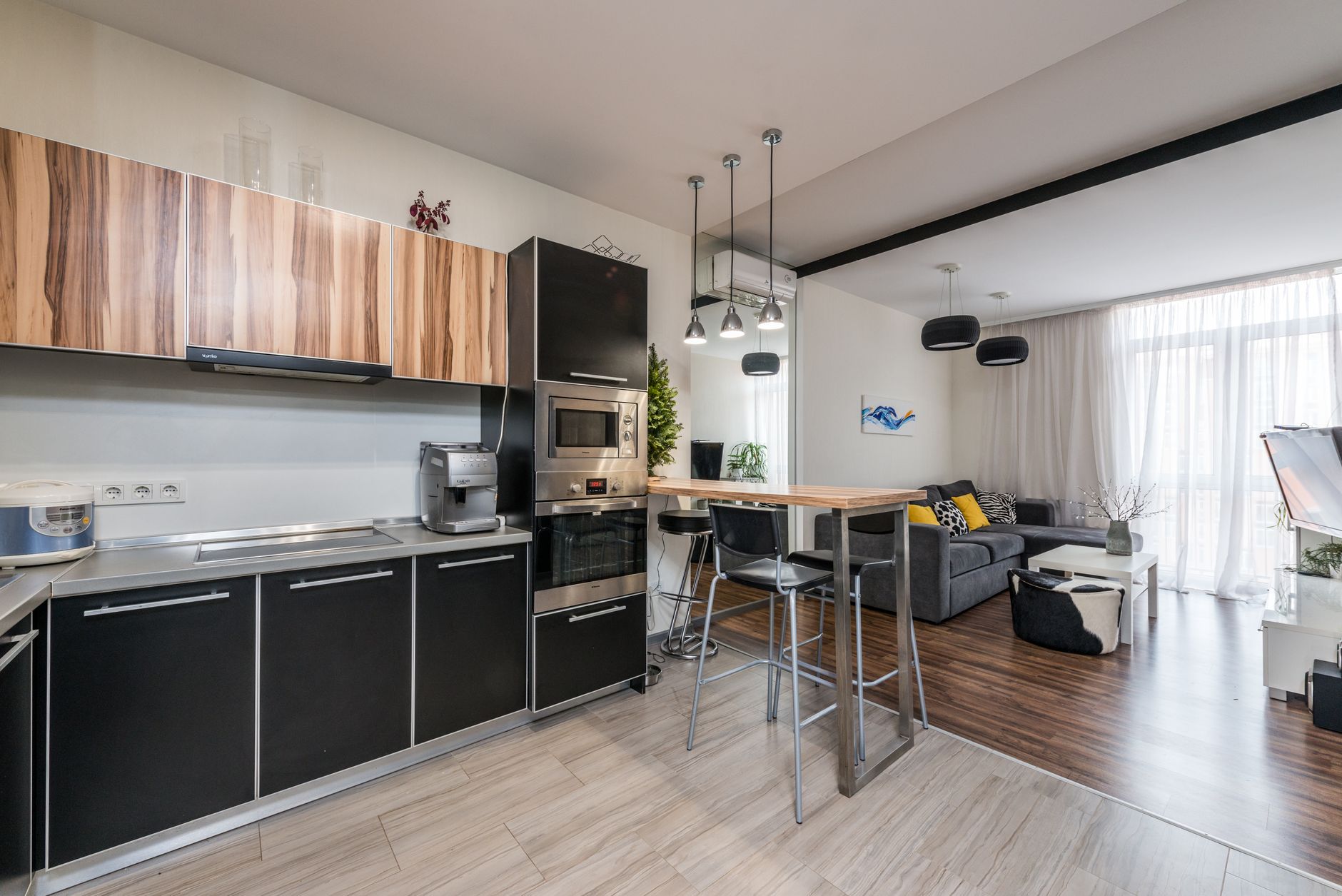
    Stylishly decorated rented flat interior showing renter-friendly home décor UK ideas including peel-and-stick wallpaper and gallery wall
    Photo by Max Vakhtbovych on Pexels

    Why renter-friendly home décor UK has become its own design genre

    Deposit protection rules mean any damage beyond fair wear and tear comes out of your pocket. Drilling into walls, using permanent adhesives, or painting without permission can cost hundreds of pounds when you move out. So renters have had to get inventive, not just creative, but genuinely problem-solving in ways that have produced a whole new aesthetic language. Command strips, peel-and-stick wallpaper, freestanding furniture, tension rods: these aren’t compromise solutions anymore. They’re the kit of choice for a generation that’s made constraint into a style statement.

    The renter-friendly home décor UK scene has exploded partly because the products have genuinely improved. Peel-and-stick wallpaper from brands like Woodchip & Magnolia or Rebel Walls now looks indistinguishable from traditionally hung paper, especially in photographs. Command strips hold up to 3.6kg on smooth walls. Adhesive hooks from companies like Sugru bond to tiles and can be removed without marking. The gap between “can’t drill” and “can’t style” has essentially closed.

    What people are actually doing to their rented flats

    The most common approach I see is the gallery wall done entirely on strips. You pick up a selection of mismatched frames from charity shops, very much the spirit of the secondhand-everything movement that’s reshaping how British consumers shop, fill them with prints, photos, pressed flowers, anything with texture, and mount the whole thing without a single nail. Done right, it transforms a magnolia expanse into something that looks genuinely curated.

    Peel-and-stick wallpaper on a single accent wall is another go-to. A decent-sized roll covers roughly 0.52 square metres, so a feature wall in a typical flat bedroom takes around six to eight rolls, costing between £80 and £160 depending on the brand. That’s a fraction of a professional paint job, and it peels off clean when you leave. I know someone who did a deep forest-green botanical print in her Peckham studio and it looked like a proper boutique hotel room. Her landlord genuinely didn’t know until she pointed it out.
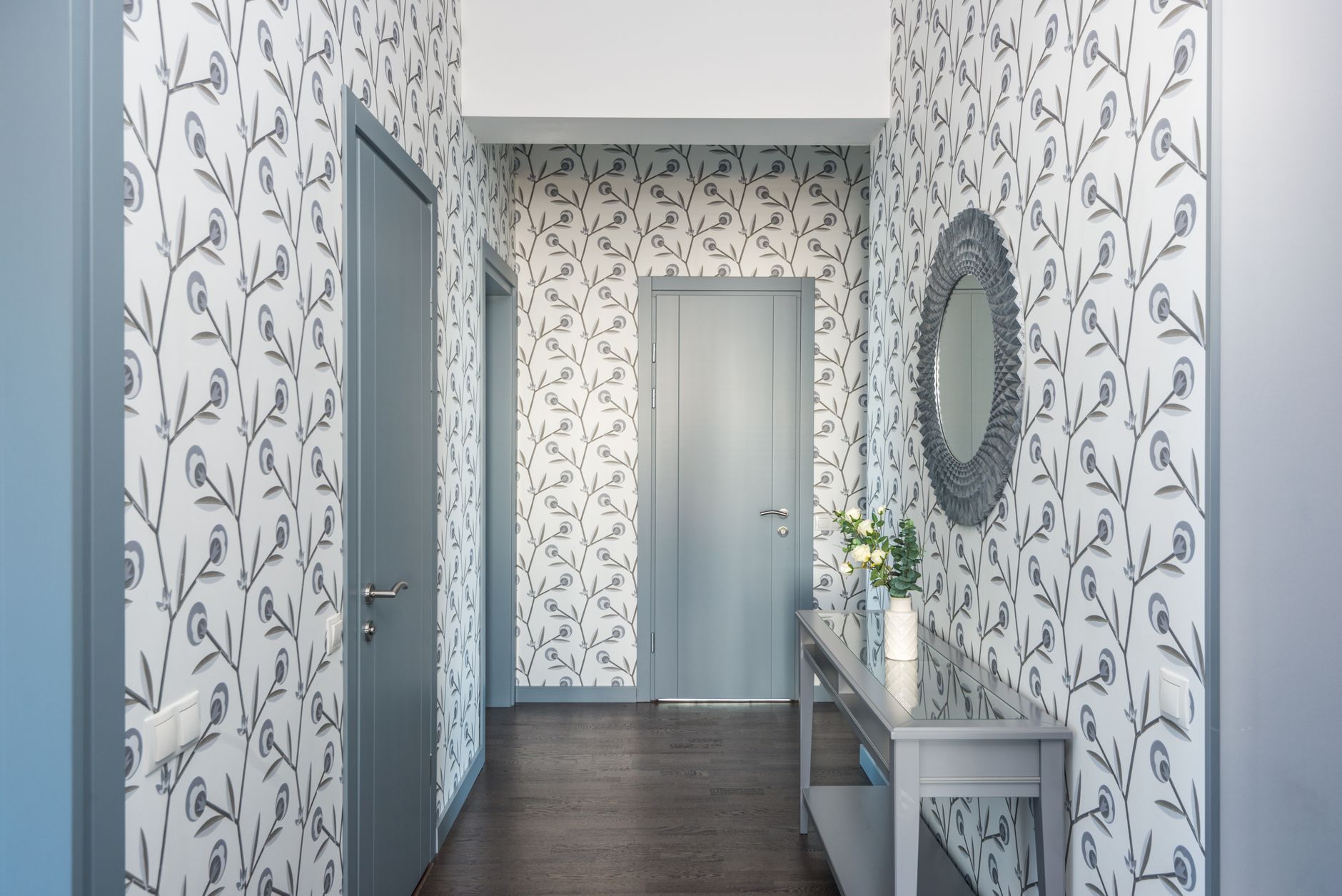
    Close-up of peel-and-stick wallpaper application, a popular renter-friendly home décor UK solution
    Photo by Max Vakhtbovych on Pexels

    Freestanding room dividers are having a proper moment. In open-plan layouts or studio flats where the bed is five feet from the kitchen, a rattan or fabric screen creates the illusion of separate zones without touching a single wall. Paired with strategic rug placement, a good rug is the single highest-impact thing you can do in a rented space, full stop, you can completely redefine how a room reads. IKEA’s Hyllis shelving unit, placed perpendicular to a wall, does the same job more practically.

    Lighting is where renters are really winning. Replacing a landlord’s horrible ceiling pendant (you just switch the bulb back before you leave) with something from Original BTC or even a decent IKEA alternative changes the entire atmosphere of a room. Battery-powered picture lights. LED strip lighting behind furniture. Tall floor lamps in corners that were previously dead space. None of this requires a single screw. These are the same principles behind the quiet luxury home décor approach that’s been trending this year, restrained, considered, and entirely achievable on a sensible budget.

    The freestanding furniture shift

    One of the bigger changes is how renters are thinking about furniture as architecture. When you can’t build in, you build around. A floor-to-ceiling bookcase (not fixed, just tall) creates a visual anchor point. A wardrobe with character, rather than a fitted one, becomes a focal piece. A kitchen island on castors defines the cooking zone without a single screw into a floor.

    This approach also makes moving, which renters do more frequently, obviously, genuinely easier. Your space moves with you. The aesthetic you’ve built is portable. That’s a mindset shift that feels very current: owning your environment emotionally even when you don’t own it legally.

    For tech setup in a rented flat, the same logic applies. Rather than fixing anything permanently, renters are leaning into freestanding solutions. For a tidy TV setup, services from TV Aerials can sort the signal side of things without requiring any structural changes to the property. A good television stand with cable management does the rest.

    How community is shaping the renter aesthetic

    This movement hasn’t happened in isolation. There’s a whole ecosystem of TikTok accounts, subreddits (r/malelivingspace, r/femalelivingspace), and Instagram profiles dedicated specifically to renter-friendly styling. British renters are sharing not just the finished results but the process: what products worked, what the landlord said, what cost what. The knowledge-sharing is genuinely communal in a way that mirrors the broader revival of third places and community spaces happening across the UK right now.

    There are also real-world meet-ups, swap events, and secondhand home décor markets popping up in cities like Bristol, Manchester, and Leeds. The premise is simple: you’re moving out, your peel-and-stick wallpaper is in good nick, someone else moving into a similar-sized flat wants it. Everyone wins.

    The reality check: what still doesn’t work

    I’d be doing you a disservice if I made it sound completely frictionless. Some landlords still contest deposit deductions for adhesive residue, even when you’ve followed product instructions carefully. Taking dated photographs before and after any change is non-negotiable, keep them in a folder with the date recorded. Peel-and-stick paper on textured walls is genuinely tricky; it works best on smooth plaster or painted surfaces. And some leases explicitly ban even temporary modifications, so read yours before you start.

    None of that negates the movement. It just means going in informed. The constraint is still real, it’s just no longer insurmountable.

    What’s happened is a generation that was told renting means waiting has decided, collectively, that life is now. The flat you’re in today is worth making beautiful, regardless of whether you’ll still be in it in two years. That’s not resignation. It’s confidence. And the spaces coming out of it are, genuinely, some of the most interesting interiors being created in Britain right now.


  • How to actually save money on your energy bills without freezing all winter

    How to actually save money on your energy bills without freezing all winter

    The energy price cap has been up, down, and sideways enough times now that most of us have stopped trying to predict it and started trying to work around it. As of April 2026, Ofgem’s price cap still sets the unit rate and standing charge that most households pay, but what actually lands on your bill depends heavily on how much you use. That’s where you have real control. I’ve spent a fair bit of time this winter testing what genuinely moves the needle, and some of the answers surprised me.

    Person adjusting a radiator thermostat to save money on energy bills at home
    Photo by Elmārs Toms on Pexels

    What the Ofgem price cap actually means for your bill

    A lot of people think the cap is a limit on their total bill. It isn’t. It caps the unit rate per kilowatt-hour and the daily standing charge. So if you’re running energy-hungry appliances without a second thought, your bill can still be eye-wateringly high. The cap just means your supplier can’t charge more than the set rate per unit. Use fewer units, pay less. Simple in theory, obviously harder in practice when it’s January and you work from home.

    Checking your actual unit rate against the Ofgem cap is step one. Log into your account or call your supplier. If you’re on a fixed tariff that was set before recent cap changes, you might already be paying less than the cap rate, which means switching right now could actually cost you more. Worth checking before you do anything else.

    Smart meters: worth the hype or just a fancy gadget?

    I was sceptical about smart meters for a long time. Turns out the meter itself doesn’t save you money, but the in-home display absolutely can. Seeing your energy usage in real time changes behaviour in a way that reading an annual statement simply doesn’t. I noticed I was spending around £1.20 every time I left the tumble dryer running for an hour. Shifted most of the laundry to the off-peak window (typically 11pm to 7am on Economy 7 or Agile tariffs) and the monthly difference was noticeable within six weeks.

    If you haven’t already got one, you can request a smart meter from your supplier at no cost. The rollout has been slower than the government wanted, but most suppliers now install them within a few weeks of a request. Once it’s in, pair it with an app like Loop or OVO’s energy tracker to see hourly breakdowns and actually understand where your money is going.

    Draught excluder on front door – a simple way to save money on energy bills
    Photo by Jan van der Wolf on Pexels

    Draught-proofing: the cheapest return on investment in your house

    Nobody talks about draught-proofing like it’s cool, but the Energy Saving Trust estimates it can save the average household between £45 and £60 a year, and the materials cost under £30 if you do it yourself. That’s a better return than most things you’d do to a house this side of a full loft insulation job.

    The spots people miss most often are the letterbox (a brush draught excluder costs about £8), the gap between floorboards in older terraced houses (clear sealant or specialist filler works well), and around skirting boards where the walls meet older plasterwork. Chimney balloon draught excluders are also genuinely brilliant if you have a fireplace you never use. Shove one up the flue and you eliminate a cold column of air sitting in the middle of your living room.

    For renters, almost all of this is fair game without asking your landlord because you’re not making structural changes. A draught excluder along the bottom of a poorly-fitted front door is the single best £10 I’ve spent on a flat.

    Energy switching strategies that actually work in 2026

    The switching landscape looks different to how it did before the energy crisis. The chaotic market of 2021-2022, when dozens of suppliers collapsed, has settled. There are still around 30 active suppliers, but you need to be smarter about how you compare them.

    Use a service accredited by Ofgem’s Confidence Code, like Uswitch or MoneySuperMarket, but don’t just sort by cheapest headline rate. Check the standing charge separately, because some of the lowest unit rates come with standing charges of 65p or more per day, which wipes out the saving if your usage is moderate. If you live alone or in a smaller flat, a slightly higher unit rate with a low standing charge can actually be cheaper overall.

    Fixed tariffs are worth looking at again now that the market has calmed down. Locking in slightly above the current cap rate sounds counterintuitive, but if you expect the cap to rise (it typically goes up in winter), a fixed deal gives you predictability and the ability to budget. I’ve seen fixed one-year deals sitting within 5% of the current cap rate, which feels like a reasonable hedge.

    Small habits that compound over time

    Behavioural changes sound boring until you see them on a bill. Washing clothes at 30°C instead of 40°C uses roughly 40% less energy and makes essentially no difference to how clean things come out. Filling the dishwasher fully before running it rather than doing half-loads cuts your dishwasher’s annual energy cost almost in half. Turning the thermostat down by just 1°C can reduce your heating bill by around 10% according to the Energy Saving Trust.

    A lot of this connects to a broader shift in how British households are thinking about spending right now. The move towards more conscious consumption, which I’ve written about in the context of how the UK has embraced preloved as the default way to shop, is showing up in home management too. People are paying attention to what things actually cost to run, not just to buy.

    Looking at the outdoor side of your property matters as well. Keeping your external space tidy and well-maintained, from insulating outdoor pipes before a cold snap to making sure your boiler flue is unobstructed, is part of the picture. Services like thebinboss.co.uk are part of the broader domestic maintenance mindset that keeps a home running efficiently, which is exactly the right headspace to be in when you’re trying to reduce waste across the board.

    Boiler settings most people have never touched

    This one is genuinely underrated. Most combi boilers come from the factory with the flow temperature set between 70°C and 80°C. For the vast majority of homes with modern radiators, dropping this to 55°C or 60°C (known as weather compensation or flow temperature adjustment) allows the boiler to run in a more efficient condensing mode. The result is a meaningful reduction in gas use, often cited at around 6-8%, without any reduction in how warm your home gets. You just need to give the heating a slightly longer run time at the lower output. Heatgeek and the Heating Hub have excellent guides on exactly how to do this for your specific boiler model.

    If you’re thinking about spending on home improvements more broadly, this kind of quiet, unglamorous optimisation is the energy equivalent of the quiet luxury approach to home décor: doing things properly rather than flashily, and getting a better outcome for it.

    Grants and schemes you might be missing

    The Warm Home Discount scheme gives eligible households £150 off their electricity bill each year. The eligibility criteria changed recently, so even if you were told you didn’t qualify before, it’s worth checking again on gov.uk. The Great British Insulation Scheme also provides funded loft and cavity wall insulation for properties in lower Council Tax bands and lower-income households. Both are worth five minutes of your time to investigate before you spend anything on draught-proofing materials out of your own pocket.

    Energy bills aren’t going to shrink themselves. But between the smart meter habits, the draught-proofing, the boiler tweaks, and a bit of strategic switching, there’s genuinely a few hundred pounds a year available to most households that’s just sitting there unclaimed. That’s worth a weekend afternoon, at least.

    Frequently Asked Questions

    What is the Ofgem energy price cap and how does it affect my bill?

    The Ofgem price cap limits the maximum unit rate per kilowatt-hour and daily standing charge that energy suppliers can charge. It doesn’t cap your total bill, so the more energy you use, the higher your bill will be regardless of the cap. Reducing your consumption is the most direct way to cut costs.

    Does getting a smart meter actually help you save money on energy bills?

    The meter itself doesn’t reduce usage, but the in-home display and associated apps can make a real difference by showing you exactly when and how you’re using energy. Most people who engage with the data regularly do reduce their bills, especially if they shift high-consumption tasks like laundry to off-peak hours.

    Is it worth switching energy supplier in 2026?

    It depends on what you’re currently paying. If you’re on a standard variable tariff at the price cap rate, there may be fixed deals available that offer certainty, especially heading into winter. Always compare both the unit rate and the daily standing charge, as a cheap unit rate with a high standing charge can end up more expensive for lower-usage households.

    How much can draught-proofing actually save on heating bills?

    The Energy Saving Trust estimates draught-proofing can save the average home between £45 and £60 per year, with DIY materials costing under £30. Key spots to tackle include letterboxes, under doors, around skirting boards, and unused chimneys, which can all allow significant heat loss.

    What grants are available to help with energy costs in the UK?

    The Warm Home Discount gives eligible households £150 off their electricity bill annually, and the Great British Insulation Scheme funds loft and cavity wall insulation for qualifying properties. Both are administered through gov.uk and eligibility has changed recently, so it’s worth checking even if you were turned down before.

  • Quiet luxury home décor: how to get the look without the price tag

    Quiet luxury home décor: how to get the look without the price tag

    Quiet luxury has been building momentum for a couple of years now, and in 2026 it has fully landed in the home. No maximalist clutter, no statement-wall chaos, no shelfie overload. Just beautifully edited spaces, natural materials, and a palette that looks like it was mixed from sea-worn stone and morning fog. I’ve been obsessed with this shift for a while, and I think it’s the most genuinely liveable aesthetic to come along in a decade.

    The good news? Quiet luxury home décor is not actually about spending obscene amounts of money. It only looks that way. The whole point of the aesthetic is restraint, which, done right, can cost you less than a full Zara Home haul that you’ll regret in six months.

    Warm neutral living room styled in quiet luxury home décor with linen sofa and natural materials
    Photo by https://kaboompics.com/ on Pexels

    What quiet luxury home décor actually means

    The term borrows from fashion, where it describes a wardrobe built on cashmere, well-cut trousers, and nothing with a visible logo. In interiors, the translation is straightforward: neutral tones, tactile natural materials, furniture with clean lines, and a deliberate absence of visual noise. Think linen, boucle, travertine, warm woods, and aged brass. Think the kind of flat that looks like nobody actually lives there, except, crucially, it also feels incredibly comfortable.

    The colour palette tends to run from warm whites and off-whites through to sand, clay, taupe, and soft mushroom. Occasionally a muted sage or a deep charcoal appears as a grounding tone. What you won’t find is anything shrill or candy-bright. The BBC has noted how British interiors are increasingly moving away from the maximalist period of the early 2020s toward exactly this kind of pared-back approach.

    Where to start if you’re new to the aesthetic

    Start with what you already have. Quiet luxury is partly about editing, and editing is free. Take a hard look at your living room. Every item that is bright, busy, or nostalgic in a kitschy way is probably working against you. Box it up. Live without it for a fortnight. You might be surprised how much the room breathes once the visual chatter is gone.

    After that, I’d focus on texture before colour. This is a trick that makes a huge difference without requiring a full repaint. Swap out any synthetic-feeling cushion covers for linen or heavy cotton. Add a chunky knit throw. Put a jute or wool rug on the floor. These swaps can sit under £150 total if you shop at places like John Lewis, H&M Home, or Marks and Spencer rather than the usual interiors boutiques charging triple for the same Turkish cotton.

    Travertine and stone accessories on a sideboard as part of a quiet luxury home décor scheme
    Photo by ROMAN ODINTSOV on Pexels

    The materials that define the look

    Natural materials are the backbone of quiet luxury home décor. Here’s how each one tends to show up in practice.

    Linen is the gateway material. Linen curtains instantly age a room in the best possible way. Even inexpensive linen curtains from IKEA’s DYTÅG range read as considered and calm. They rumple slightly, which is the point, that lived-in softness is the opposite of the stiff, synthetic drape that looks cheap.

    Boucle has had its moment and is staying. A boucle accent chair or sofa cover adds texture without colour, which is exactly what this aesthetic needs. If you’re working with an existing sofa you can’t replace, a good boucle throw draped over one arm does more work than you’d think.

    Travertine and stone are having a massive moment. You don’t need to rip out your kitchen for this. A travertine trinket tray, a stone candle holder, or a marble side table from a local antique market can bring the same material story in for under £40.

    Warm wood is essential as a grounding element. Cool-toned greys and bright whites look harsh without it. Oak, walnut, and ash all work. If you have pine furniture that’s a bit blond and Scandi rather than warm, a tin of Osmo oil in a darker tone can shift it significantly.

    The lighting shift that changes everything

    Lighting is where a lot of otherwise well-put-together rooms fall down. Overhead lighting is the enemy of quiet luxury. It flattens everything. Shift to layered light: a floor lamp in the corner, a table lamp on the side table, maybe a pendant low over the dining table. Warm bulbs only, 2700K is the sweet spot. The room will immediately feel more expensive and intentional.

    Candles are not just atmospheric; they’re a material choice too. Pillar candles in neutral wax tones on a stone or wood surface are quietly everywhere in high-end interiors photography right now. Brands like Earl of East in London or local independent candle makers at markets tend to nail the unscented or lightly scented pillar look better than the big high-street names.

    What to avoid

    Matching furniture sets. The slightly mismatched, collected-over-time look is more authentic and far more interesting than a sofa suite bought from a catalogue in one go. Gallery walls done badly. Anything that glitters unnecessarily. Fake flowers, in a quiet luxury space, a single stem of dried pampas or eucalyptus in a simple ceramic vase does more than a plastic arrangement twice the size.

    I’d also steer clear of anything with text on it. Printed cushions with words, signs above the bed, motivational prints in the loo. None of it belongs here. The quiet luxury aesthetic trusts objects to speak without labels.

    Budget reality check

    You can start making meaningful changes to a standard British living room for around £200-300. That might get you a set of linen cushion covers, a decent jute rug, a boucle throw, and a new floor lamp. That’s a real transformation if the underlying edit has already been done. The bigger ticket items, a quality sofa, stone coffee table, proper curtains, can be phased in over time. This isn’t a weekend project; it’s a direction of travel.

    The ONS figures on household spending show that home furnishings remain one of the top discretionary spend categories for UK households even during tighter economic periods. People are choosing to invest in their homes more deliberately, and quiet luxury is part of that shift toward buying less but buying better.

    My honest take: the aesthetic rewards patience. The best quiet luxury rooms I’ve seen in person weren’t put together in a rush. They were assembled slowly, with pieces that actually meant something to the people who lived there. That’s not a design formula. That’s just good taste.