

Most rooms that mix antique and modern furniture go wrong for one dull reason: everything in them is the same size and the same visual weight. Style is rarely the culprit. A Georgian chest of drawers beside a slim, low sofa looks sharp. A Victorian wardrobe wedged into a box room beside a flat-pack bed looks like a removal van got lost.
The short version: give each room one inherited or secondhand star, keep the modern pieces plain, and let scale, wood tone and colour do the linking. The clocks have gone back, it’s dark by late afternoon and you’re staring at the same four walls for longer, so this is a good week to start moving things around.
How do you mix antique and modern furniture in one room?
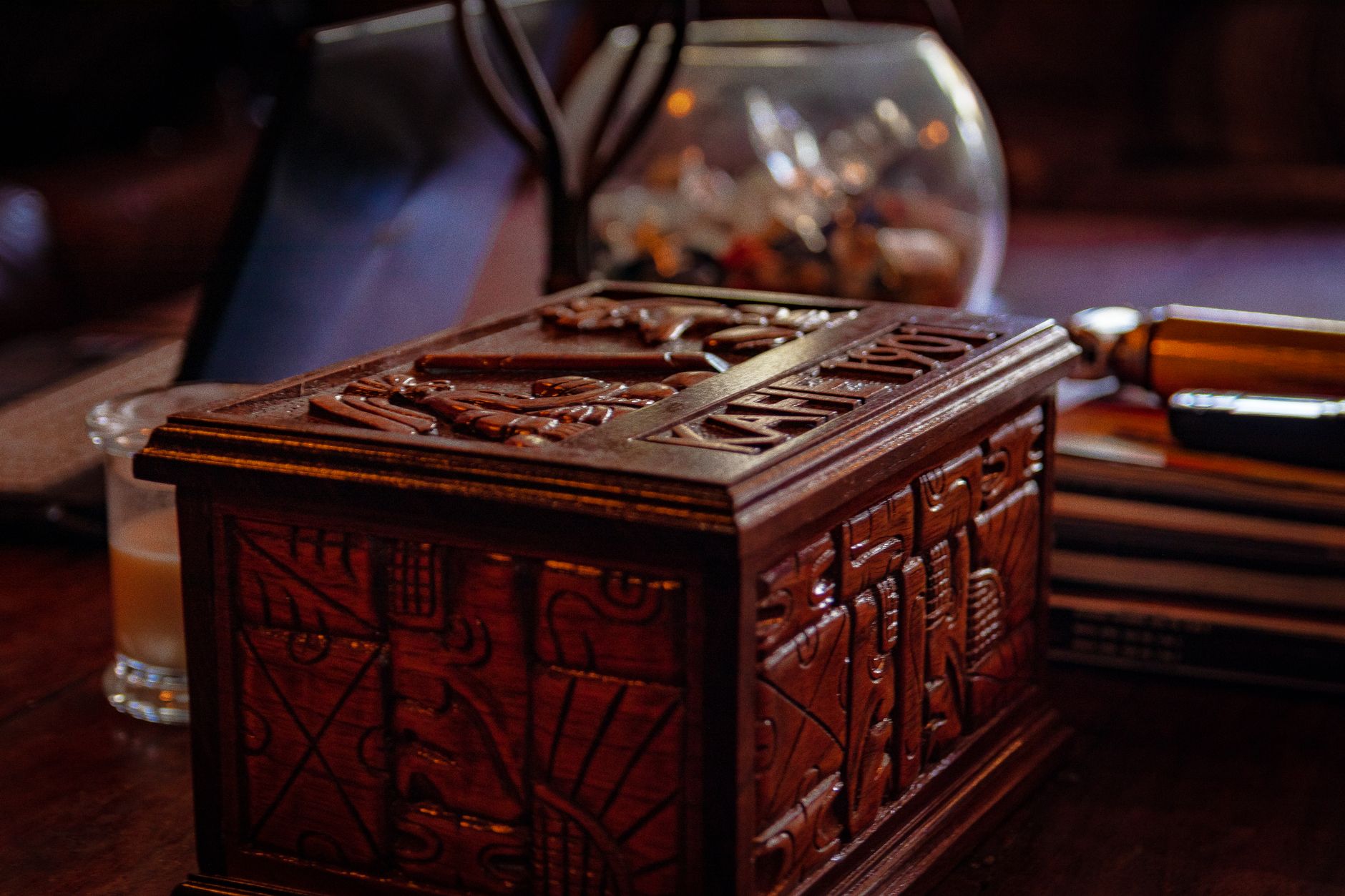
The simplest way to mix antique and modern furniture is to pick one older piece as the focal point and build plain, contemporary basics around it. A carved oak dresser, a mahogany bureau or a bow-fronted chest earns attention. Two or three more competing for it do not.
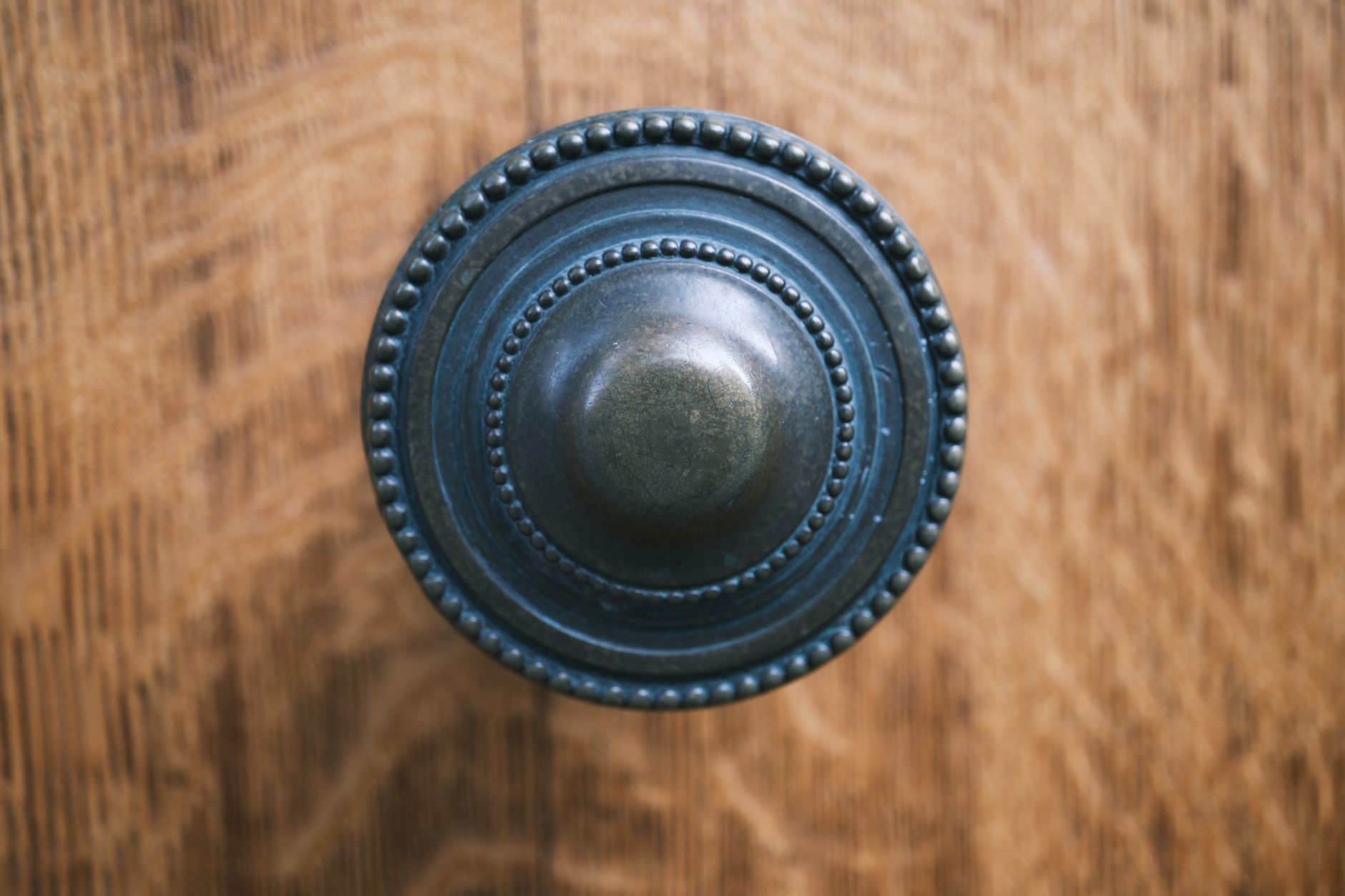
Then repeat something. If the antique has brass handles, echo that finish in a lamp base or a curtain pole. If it has curved legs, put it near something with a soft curve, like a round coffee table. These small repeats tell the eye the room was planned, even if half of it came from a house clearance.
A decent ratio to start with is roughly two-thirds modern to one-third older pieces. It’s not a law, just a sensible default that stops a room tipping into museum or showroom.
Does scale matter more than style?
Yes, scale matters more than style, because a well-proportioned piece in any period looks right and an oversized one never does. Measure before you commit: the width, the depth, and how far a door or drawer needs to open.
Heavy antiques generally have solid bases and deep carving, so they read bigger than their measurements suggest. Balance them with modern pieces that are visibly lighter: a sofa on slim legs so you can see floor underneath, a glass or thin-topped side table, a floor lamp with a narrow stem. Visible floor is the trick that stops a big old piece swallowing a small room.
If you’re in a smaller flat, go for antiques that are naturally compact: a bedside cabinet, a drop-leaf table, a writing desk, a small chest. Big wardrobes and breakfronts need a proper wall and a high ceiling.
Can you mix different wood tones?
You can, and you should, because matching everything is what makes a room look like a catalogue page from 1996. The aim is a family resemblance, not a set.
- Check the undertone. Mahogany and walnut run warm and reddish, while limed or bleached oak leans cooler. Pick a lead tone and keep most pieces on the same side of the warm-cool line.
- Cap it at about three woods. More than that and it starts to look accidental.
- Use a bridge. A rug, a bit of rattan or a painted piece sits between two woods that would otherwise argue.
- Vary the finish, not just the colour. A glossy antique looks better against matte, simple modern timber than against another shiny surface.
If you’ve inherited orange-toned pine you can’t stand, paint is a perfectly respectable answer for common, unremarkable pieces. For anything that could be valuable, get it looked at first. Stripping or painting a good piece can wipe money off it.
What colours work with antique furniture?
Colours that work with antique furniture are the ones that let the wood glow: deep greens, inky blues, warm off-whites and soft clay tones. Dark brown furniture against a stark white wall can look heavy and a bit tired, while the same piece against a muted green looks deliberate.
Autumn is when this pays off. A dark wall colour, a warm-bulb lamp or two and a wood piece with a bit of patina give you the kind of room you actually want to be in at 5pm in November. Keep the modern basics in the quiet neutrals, such as oatmeal, charcoal or stone, and let the antique and the wall carry the colour.
If that sounds close to the calmer, softer look people are chasing at the moment, it is. Our piece on the soft room trend in British living rooms covers the palette side in more detail.
How do you know what looks right before you buy?
Look at plenty of finished rooms first, then test the piece at home. Your eye needs calibrating, and seeing how a heritage sideboard behaves in a pared-back room is quicker than guessing. Browsing antique british furniture modern interiors is a handy way to see how older pieces sit against clean lines, plain walls and contemporary lighting before you spend a penny.
At home, tape the footprint of the piece on the floor and leave it for a day. Prop a cardboard box at the right height against the wall. It’s low-tech and it works. If you’re buying from a dealer, a body such as the British Antique Dealers’ Association is a sensible place to start looking for people who know their stock.
What if you rent, or you didn’t choose the piece?
Renting makes this easier, not harder, because freestanding antiques need no drilling and no landlord’s permission. A chest of drawers, a bookcase or a drop-leaf table moves with you and fits into most layouts. For more ideas on making a rental feel properly yours, see how British renters are turning temporary spaces into homes.
For inherited pieces you feel guilty about not loving, try a trial run: give it a different room, a different wall, or use it for something unexpected. A dining sideboard becomes a hallway console. A tall chest becomes bedroom storage. If it still doesn’t work after a month, selling it on is no betrayal. The secondhand market is brisk, and preloved is now the default for plenty of British shoppers.
One autumn warning: central heating is hard on old timber and veneer. Keep antiques away from radiators and give them a bit of breathing space from a hot wall, or you may see cracking and lifting.
Tonight, pick the one older piece in your home you like best. Clear the surface, move one bulky modern item away from it so it has space, add a lamp and see how the room feels. If it works, build outwards from there.



Leave a Reply