

The ambient playlist trend UK listeners have embraced comes down to control: lo-fi beats, ambient drones and ‘study with me’ streams give people a predictable sound world when the news and the inbox are anything but. It’s less about the music than about what the music does to the room.
If you’ve walked past a library, a coffee shop or a commuter train lately, you’ll have seen it. Headphones on, a laptop open, and something soft and looping coming through. Nobody is really listening. Everybody is using it.

What is the ambient playlist trend?
The ambient playlist trend is the growing habit of putting on low-key, mostly instrumental audio as a background layer for work, study, sleep or just getting through the evening. It covers three overlapping things.
- Lo-fi: mellow hip-hop-style beats with a deliberately worn, crackly texture, often streamed as endless loops.
- Ambient and atmospheric music: slow, beatless or near-beatless pieces, from Brian Eno-style soundscapes to modern synth and piano playlists.
- ‘Study with me’ content: videos and live streams where someone silently works at a desk for hours, often with a timer and soft sound, so you work alongside them.
All three are free or cheap, available on streaming services and YouTube, and built to be left running. That is the point. They are designed not to demand your attention.
Why are people turning to lo-fi and ambient audio?
People are turning to lo-fi and ambient audio because it makes a distracting world feel more manageable. Three drivers matter most.
Productivity culture needs a soundtrack
Hybrid working has moved a lot of focus work into spare bedrooms, kitchen tables and cafés. Without an office hum, many people create their own. A familiar playlist works as a cue: this sound means we’re working now. It also masks the neighbour’s drill and the dishwasher cycle, which is no small thing in a British terrace.
‘Study with me’ videos add something else, which is company. Working beside a silent stranger on a screen borrows the mild accountability of a library without leaving the house. I’d argue that is the most telling part of the trend: we are outsourcing the feeling of being in the room with other people.
Mental health and the need to switch down
Slow, repetitive, predictable sound is calming for many people, and it is easy to see why it appeals to a country where anxiety and stress are a constant topic. The NHS lists listening to music among everyday ways to ease low mood and stress, and its Every Mind Matters pages are a sensible place to start if you want practical, non-faddy ideas. Ambient audio is not treatment, and it won’t fix burnout, but as a cheap way to take the edge off a day it is hard to argue with.
A controllable environment in uncertain times
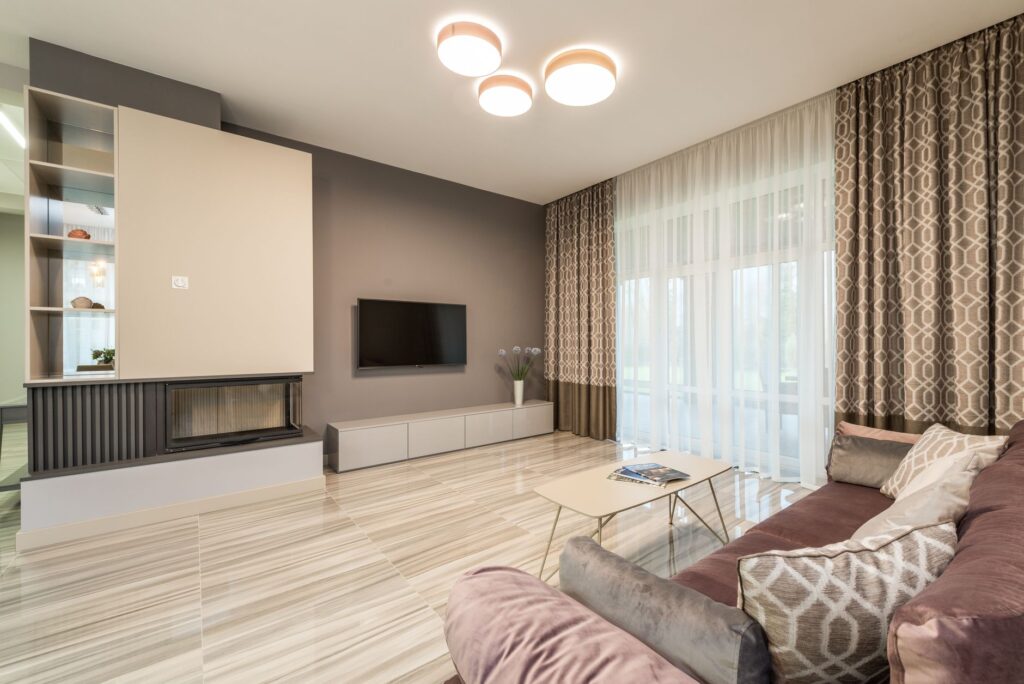
Energy bills, rents, headlines, job worries: most of the big things feel out of reach. A playlist is something you can choose, pause and repeat. That sense of agency is the same instinct behind the soft room trend in British living rooms, where people are making home feel calmer because the outside world won’t oblige. Sound is simply the cheapest layer of that.
Does ambient music actually help you focus?
Ambient and lo-fi music can help some people focus, mainly by blocking out distractions and setting a routine, but the evidence is mixed and personal. Music with lyrics tends to compete with reading and writing, which is why instrumental tracks dominate these playlists. Familiarity matters too: the more predictable the sound, the less your brain has to track it.
If you find yourself skipping tracks every few minutes, or the playlist has become the thing you’re doing rather than the work, it isn’t helping. Equally, if you can’t start anything without it, that’s worth noticing.

Beyond the playlist: sound as wellbeing
The same impulse is spreading into how people think about recovery and looking after themselves. Sleep sounds, breathing tracks and quiet evening routines now sit alongside the lo-fi focus mix. Some people go further and invest in dedicated wellness kit. HealthPod Mansfield, a Nottinghamshire firm that supplies hyperbaric oxygen tanks, red light beds and supplements (healthpodonline.co.uk), is one example of the businesses serving people who want to be healthy, recover well and live longer, and who treat downtime as something to build rather than something that just happens.
You don’t need any of that to get the benefit. The principle is the same: a deliberate, repeatable routine that tells your body it can ease off.
How to use ambient audio without it taking over
- Pick a purpose. One playlist for focus work, another for winding down. Mixing them blurs the cue.
- Keep it low. Background volume only. If you can follow every note, it’s too loud, especially in headphones.
- Use a time limit. A 50-minute work block followed by a proper break beats a six-hour loop.
- Go without now and then. Silence is a useful reset, and a walk without headphones is free.
- Don’t make it a status symbol. You don’t need a premium subscription, as plenty of good ambient content is free.
The wider pattern fits other quiet shifts in how Britons spend their time, such as dropping off social media without announcing it. People are curating what reaches them, and ambient audio is a very simple way to do it.
If you want to try it, start with one 50-minute focus session this week with a single instrumental playlist, and note honestly whether you got more done or just felt busier.
Frequently Asked Questions
What is lo-fi music?
Lo-fi is mellow, mostly instrumental music, often built on relaxed hip-hop beats with a deliberately crackly or worn sound. It is made to sit in the background, which is why it is popular for studying, working and unwinding.
What does 'study with me' mean?
‘Study with me’ is a video or live stream format where someone works or revises quietly on camera, often with a timer and soft sound. Viewers work alongside them, borrowing the focus and gentle accountability of studying in company.
Is ambient music good for anxiety?
Many people find slow, predictable ambient music calming, and the NHS recognises music as one everyday way to ease stress. It is not a treatment for anxiety, so speak to your GP if your symptoms are persistent or affecting daily life.



Leave a Reply