Category: Health

  • Why British People Are Quietly Getting Very Into Herbal and Functional Teas (And It’s Not Just a Wellness Fad)

    Why British People Are Quietly Getting Very Into Herbal and Functional Teas (And It’s Not Just a Wellness Fad)

    Builder’s tea has been Britain’s emotional support drink for generations. Matcha had its moment, loud and photogenic, the go-to for anyone who wanted to signal a wellness upgrade without fully committing to one. But something quieter is happening now. Across the UK, a growing number of people are reaching for blends that do something specific: calm the nervous system, sharpen focus, ease digestion, support sleep. These are functional teas, and the category has moved well beyond the single-herb chamomile bags your nan kept at the back of a cupboard.

    I’ve been watching this shift for a couple of years, and what strikes me most is how unstaged it all feels. This isn’t a trend driven by celebrity endorsement or a viral TikTok moment (though that’s helped). It’s more like a slow reorientation towards things that genuinely work, or at least things people believe work, which in terms of consumer behaviour is almost the same thing.
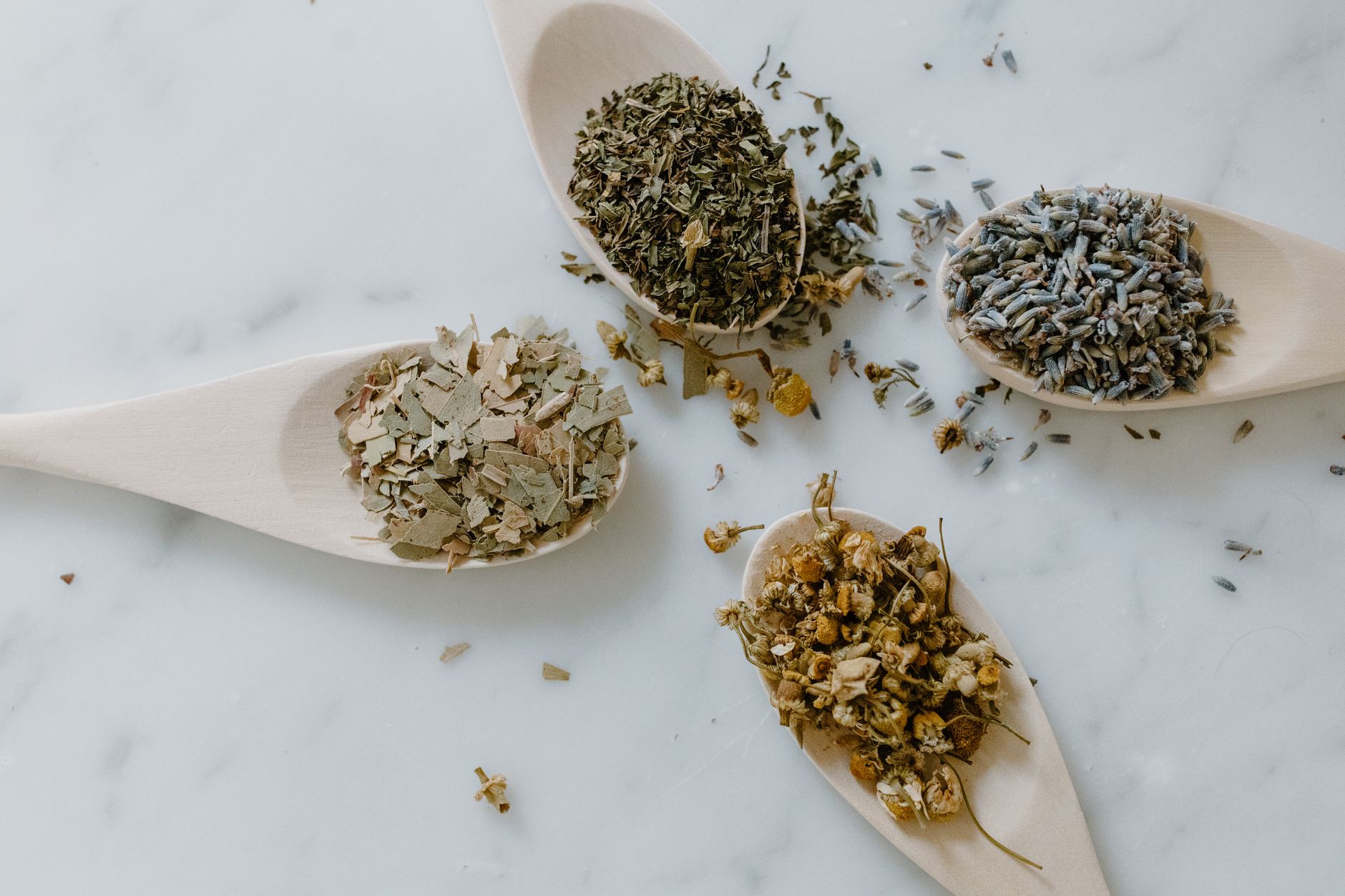
    Flat lay of herbal and functional teas UK style with dried botanicals and glass jars
    Photo by Tara Winstead on Pexels

    What functional teas actually are

    The term gets used loosely, so it’s worth being specific. Functional teas UK-style tend to fall into a few camps. There are adaptogen blends, built around herbs like ashwagandha, reishi mushroom, and rhodiola, which are thought to help the body respond to stress more efficiently. There are nerve tonics, traditional herbal preparations using plants like skullcap, lemon balm, and valerian, with a longer history in British herbalism than people realise. And there are targeted blends for sleep, focus, gut health, or hormonal balance, often combining well-studied herbs with newer ingredients from Ayurvedic or Chinese medicine traditions.

    The science is real, if uneven. Lemon balm, for instance, has solid clinical backing for reducing anxiety and improving sleep quality. Ashwagandha’s cortisol-reducing effects have been replicated in multiple trials. Other ingredients are less studied, and some brands are honest about that gap while others are not. The NHS guidance on herbal teas is worth reading if you want a grounded starting point, especially around herbs that can interact with medication.

    Why the UK specifically is seeing this boom

    Britain has always had a complicated relationship with health. We’re simultaneously a nation that queues for a full English and one that’s capable of taking wellness extremely seriously when the mood strikes. What’s different now is the context. Three years of cost-of-living pressure, post-pandemic fatigue, and a genuine increase in reported anxiety among working-age adults have created a population actively looking for accessible, affordable ways to feel better day to day.

    Functional teas fit that gap neatly. A quality adaptogen blend costs anywhere from £8 to £18 for a month’s supply. That’s less than a single GP appointment’s worth of stress, and it arrives in letterbox-friendly packaging. I’d argue the category is also benefiting from the broader shift in how younger Brits think about consumption generally. The move towards intentional ownership means people are buying fewer things but investing more thought in what those things actually do. A tea that just tastes nice is competing with a tea that tastes nice and helps you sleep. The latter wins.

    Woman holding a mug of functional tea UK morning routine
    Photo by https://kaboompics.com/ on Pexels

    British-grown herbal blends: the producers worth knowing

    This is where it gets genuinely interesting. A small but serious network of UK-based producers has emerged, growing and drying medicinal herbs domestically and creating blends that draw on British herbal traditions rather than importing everything from overseas supply chains.

    Wylde Moor Botanicals in Cornwall sources much of its material from its own farm, focusing on nervines and digestive herbs. Totally Wild UK in Yorkshire forages and cultivates native plants including cleavers, nettle, and wood avens. Rooted London takes a more urban-apothecary approach, blending adaptogens with British-grown florals. None of these are household names yet, but they’re building loyal followings among people who want traceability alongside efficacy.

    The category has also attracted more established players. Pukka Herbs, now part of Unilever but still operating with a degree of independence, has moved further into functional territory. Clipper’s range of sleep and calm teas has expanded substantially. And a wave of direct-to-consumer brands, many of them founded by women in their thirties and forties who felt underserved by existing options, are picking up serious traction on platforms like Faire and Not On The High Street.

    Adaptogens, nerve tonics, and where the lines blur

    One thing I find genuinely fascinating about this space is how old a lot of it is. Skullcap has been used in British herbal medicine since the 18th century. Elderflower, hawthorn, and St John’s Wort are as native to these islands as anything. What’s changed is framing and distribution. Instagram-era branding and Shopify storefronts have made centuries-old plant medicine feel current and accessible.

    Adaptogens are the newest addition to the vocabulary. The term itself is mid-20th century, coined by Soviet pharmacologist Nikolai Lazarev, but the plants it describes, ashwagandha, eleuthero, holy basil, have roots in much older traditions. The UK market for adaptogenic drinks and teas grew by around 34% between 2023 and 2025 according to Mintel’s UK hot drinks report, which is a serious number for what was essentially a niche category five years ago.

    There’s a useful parallel with how British consumers eventually engaged with fermented foods. Slow initial uptake, then a tipping point when enough people had a genuinely positive experience and started talking about it. If you’ve been following the UK’s fermented food moment, functional teas feel like the next phase of the same instinct: food and drink as an active choice rather than just a habit.

    How to actually get into it without getting lost

    The category is noisy. There are brands making serious, well-sourced products and brands selling barely-there herb dust in pretty tins at a premium. A few things I’d look for: ingredient transparency (does the label list actual amounts or just hide everything behind a “proprietary blend”?), sourcing information, and whether the brand makes health claims that seem too definitive. No tea is going to cure your anxiety. One that takes the edge off, reliably and safely, is a different and entirely reasonable thing to expect.

    Starting with single-herb teas before jumping into complex blends is a sensible approach. Lemon balm tea is a good entry point, widely available, gentle, and genuinely pleasant. Reishi mushroom tea is an acquired taste but worth trying if stress and sleep are your priorities. Oat straw infusions, made from the green oat plant, have a mild, almost grassy flavour and a long history as a nerve tonic in British herbalism.

    For anyone with a health condition or taking medication, a conversation with a medical herbalist registered with the National Institute of Medical Herbalists is genuinely worthwhile. Some herbs interact with blood thinners, antidepressants, and thyroid medication in ways that matter. This is one area where the wellness world’s casual confidence can get people into trouble. Practitioners who take a thorough, clinically informed approach, similar in rigour to how specialists in fields like oxygen tanks services operate within healthcare, are the ones worth seeking out.

    Beyond the health angle, there’s something to be said for the ritual of it. Making a proper cup of something intentional, something that isn’t just caffeine on autopilot, fits into the broader way Brits are rethinking their downtime. The reimagined British Sunday has space for this kind of slowness. And honestly, that’s probably as important as anything the herbs are doing biochemically.

    The category will keep growing. Expect to see more British-grown raw materials, more pharmacist and herbalist collaborations, and more honest conversation about what the science actually supports. That combination of rigour and ritual is exactly where this is heading.

  • How British Gen Z Is Quietly Reinventing What a Night Out Looks Like

    How British Gen Z Is Quietly Reinventing What a Night Out Looks Like

    Something has quietly shifted in the UK’s after-dark economy. Not with a bang, not with a manifesto, just with a growing number of twentysomethings choosing experiences that don’t end with a kebab and a hangover. The sober social scene UK has been building momentum for a few years now, and in 2026 it’s gone from niche to genuinely mainstream. I’ve been watching this change happen in real time, and honestly? It makes complete sense.

    Alcohol consumption among 16 to 24-year-olds in Britain has been falling for over a decade, according to ONS health surveys. But what’s changed recently isn’t just the drinking stats, it’s what people are actually doing instead. Younger adults aren’t staying home. They’re just choosing very differently.

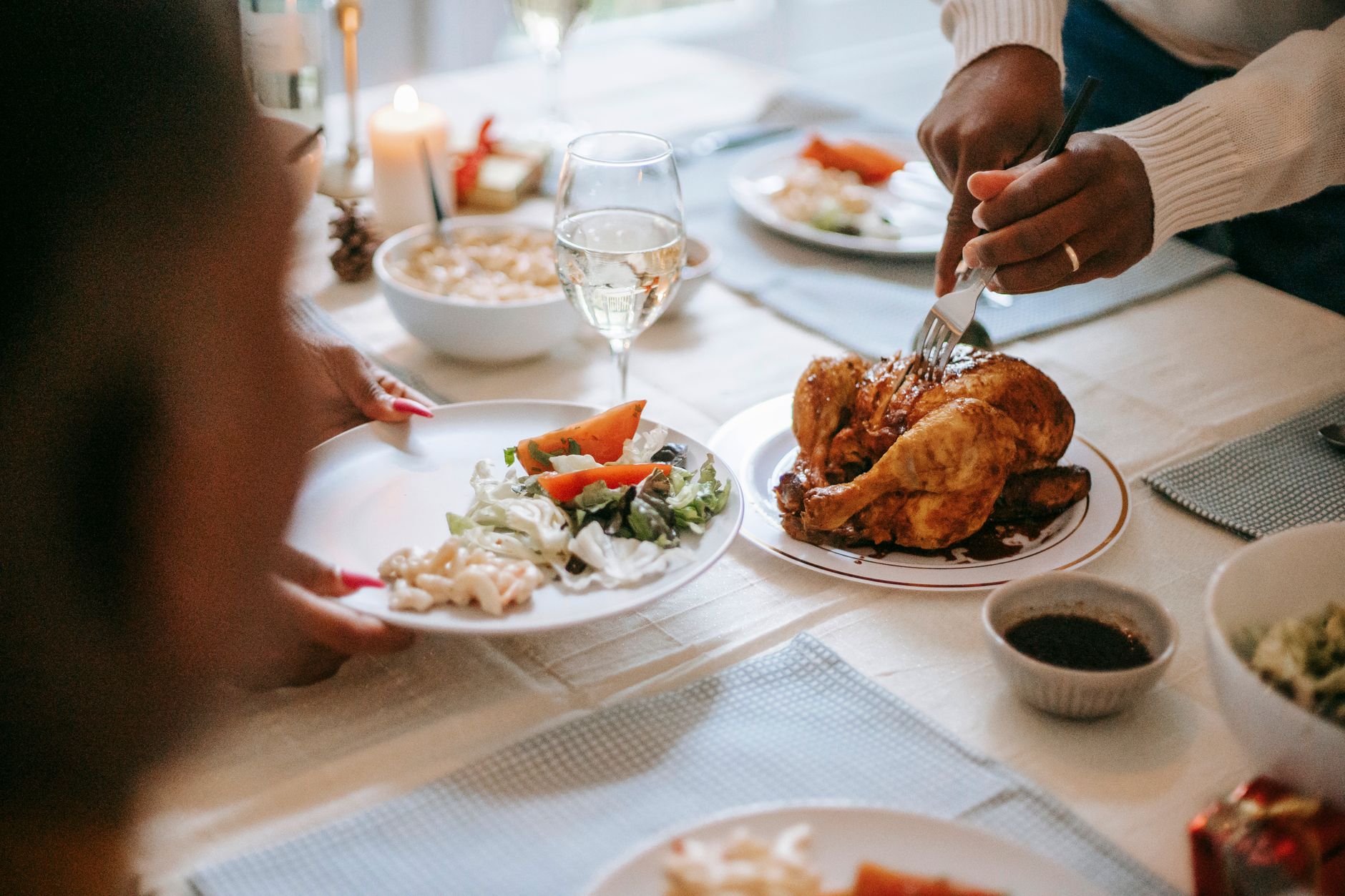
    Young adults enjoying a supper club dinner as part of the UK sober social scene
    Photo by Any Lane on Pexels

    The pub isn’t dead, but it’s not the default anymore

    Let’s be clear: British pub culture hasn’t collapsed. The local still has its place, and there’s nothing wrong with a Friday pint. But for a significant chunk of Gen Z, the pub is one option among many rather than the obvious starting point for a social life. The shift is less about rejecting pubs and more about recognising that the entire category of “going out” has expanded.

    Cost plays a part. A round in London now regularly clears £30 for four people, and that’s before anyone’s had dinner. But it’s not just money. There’s something bigger happening culturally. Gen Z came of age during lockdowns, when community was rebuilt through interest-led groups rather than proximity to a bar. That habit stuck. They found their people around shared passions, and they want their social life to reflect that.

    What sober socials actually look like in 2026

    The term “sober social” used to sound like a support group. It doesn’t anymore. In cities like Manchester, Bristol, Edinburgh and London, sober socials now mean anything from silent disco yoga to immersive art evenings, craft workshops, book swaps with natural wine alternatives, or just intentionally designed spaces where drinking isn’t the point.

    Club Söda, one of the UK’s longest-running sober lifestyle networks, has seen its event attendance more than double since 2022. Their nights out feel nothing like abstinence; they feel like someone finally designed a social event around the experience rather than the booze. I went to one in Hackney last spring and the energy was genuinely better than most bars I’ve been in, louder, more present, better conversations.

    Singing bowls at a late-night wellness event, part of the growing sober social scene UK
    Photo by Tahir Xəlfəquliyev on Pexels

    Then there’s the late-night wellness angle. Sound baths, breathwork sessions and cold-water recovery events are being scheduled at 9pm on a Friday deliberately, to catch people who want that communal night-out feeling without the alcohol. Some venues even offer floatation or light therapy sessions as part of a social package. Providers like healthpodonline.co.uk are part of a wider ecosystem of wellness experiences that are finding their footing in exactly this gap in the market, the hours when young adults used to default to nightclubs.

    Cultural supper clubs are filling the gap brilliantly

    Perhaps the most interesting development is the supper club explosion. These aren’t formal dining events for older crowds, they’re scrappy, intimate, often run out of someone’s home or a borrowed kitchen, and they’re explicitly social in design. They use food as the anchor but community as the point. You go to meet people, to eat something that tells a story, to have a conversation that lasts three hours.

    There’s a brilliant one in Birmingham called Dine Different that brings together 20 strangers every fortnight around a rotating cuisine theme. In Leeds, a Somali-British chef named Fadumo runs monthly supper clubs from a community kitchen that sell out within hours. These aren’t restaurants with extra steps, they’re something genuinely new, and they’re pulling people who would previously have spent Saturday night queueing outside a club.

    The connection to the new wave of British food culture is obvious. Food has become a legitimate cultural event in Britain, and younger people are treating a good supper club the way a previous generation might have treated a gig.

    Why this generation is leading the change

    Gen Z gets a lot of unfair criticism for being online and antisocial. From what I can see, the opposite is true. They’re among the most intentional social generalists going, they just want their time to mean something. The difficulty of building genuine adult friendships is something a lot of people talk about, and structured social events like supper clubs and sober nights out are a direct response to that. They lower the awkwardness, give you a reason to be there beyond booze, and create shared experience quickly.

    Mental health awareness plays into it too. The relationship between heavy drinking and anxiety is well understood now in a way it wasn’t even ten years ago, and Gen Z isn’t shy about prioritising their mental state over social convention. Skipping the Friday session because you’ve got a sound bath on Saturday isn’t weird anymore. Among certain crowds, it’s the cooler choice.

    What this means for the high street and beyond

    The economics of this shift are worth watching. UK nightclub numbers have dropped significantly since 2005, and while pubs have held steadier, venue operators who depend on alcohol revenues are having to rethink. The ones adapting fastest are turning evenings into experiences rather than just drinking occasions. It’s not dissimilar to the way the high street has had to reinvent itself around experience rather than just retail, same pressure, same solution.

    The good news for anyone running events or venues is that Gen Z is absolutely willing to spend money on a good night. They’re just spending it on tickets, food, workshops and experiences rather than rounds. A £35 supper club ticket feels like better value than £35 in drinks, and the memory lasts longer too.

    Britain’s nightlife is shifting, but it’s not shrinking. It’s getting more varied, more intentional, and in a lot of ways more interesting. Whether that’s a lasting cultural change or just a generational blip is still to be seen, but right now, the sober social scene UK has real momentum. And for the first time in a while, going out feels like it has something to offer everyone.

    Frequently Asked Questions

    What is a sober social and how is it different from a regular night out?

    A sober social is any organised social event where alcohol isn’t the focus or may not be available at all. Unlike a regular pub or club night, the event is designed around an experience, a workshop, supper club, wellness activity or cultural event, with socialising built in naturally rather than mediated by drinking.

    Are sober socials popular across the UK or just in London?

    They’ve spread well beyond London. Manchester, Bristol, Edinburgh, Birmingham and Leeds all have active sober social scenes in 2026, ranging from community supper clubs to late-night yoga events. The format works in smaller cities too, often organised through local community groups or social media.

    How much does a sober social event typically cost in the UK?

    Prices vary widely. A workshop or wellness event might run from £10 to £30, while a supper club evening typically costs between £30 and £55 including food. Most people find the total spend comparable to or less than a conventional night out once you factor in drinks, entry fees and transport.

    Is the trend away from clubbing permanent or just a Gen Z phase?

    ONS data shows alcohol consumption among young adults in the UK has been declining consistently for over a decade, so there’s a structural shift rather than a passing trend at play. Whether specific formats like supper clubs remain popular is harder to predict, but the move towards experience-led socialising looks durable.

    How do I find sober social events near me in the UK?

    Club Söda and Eventbrite both list sober and low-alcohol events across the UK. Local Facebook groups, Meetup.com and Instagram are also reliable for finding community supper clubs and wellness nights in most cities. Searching for ‘mindful drinking events’ or ‘sober curious’ alongside your city tends to surface active local scenes.