

Builder’s tea has been Britain’s emotional support drink for generations. Matcha had its moment, loud and photogenic, the go-to for anyone who wanted to signal a wellness upgrade without fully committing to one. But something quieter is happening now. Across the UK, a growing number of people are reaching for blends that do something specific: calm the nervous system, sharpen focus, ease digestion, support sleep. These are functional teas, and the category has moved well beyond the single-herb chamomile bags your nan kept at the back of a cupboard.
I’ve been watching this shift for a couple of years, and what strikes me most is how unstaged it all feels. This isn’t a trend driven by celebrity endorsement or a viral TikTok moment (though that’s helped). It’s more like a slow reorientation towards things that genuinely work, or at least things people believe work, which in terms of consumer behaviour is almost the same thing.
What functional teas actually are
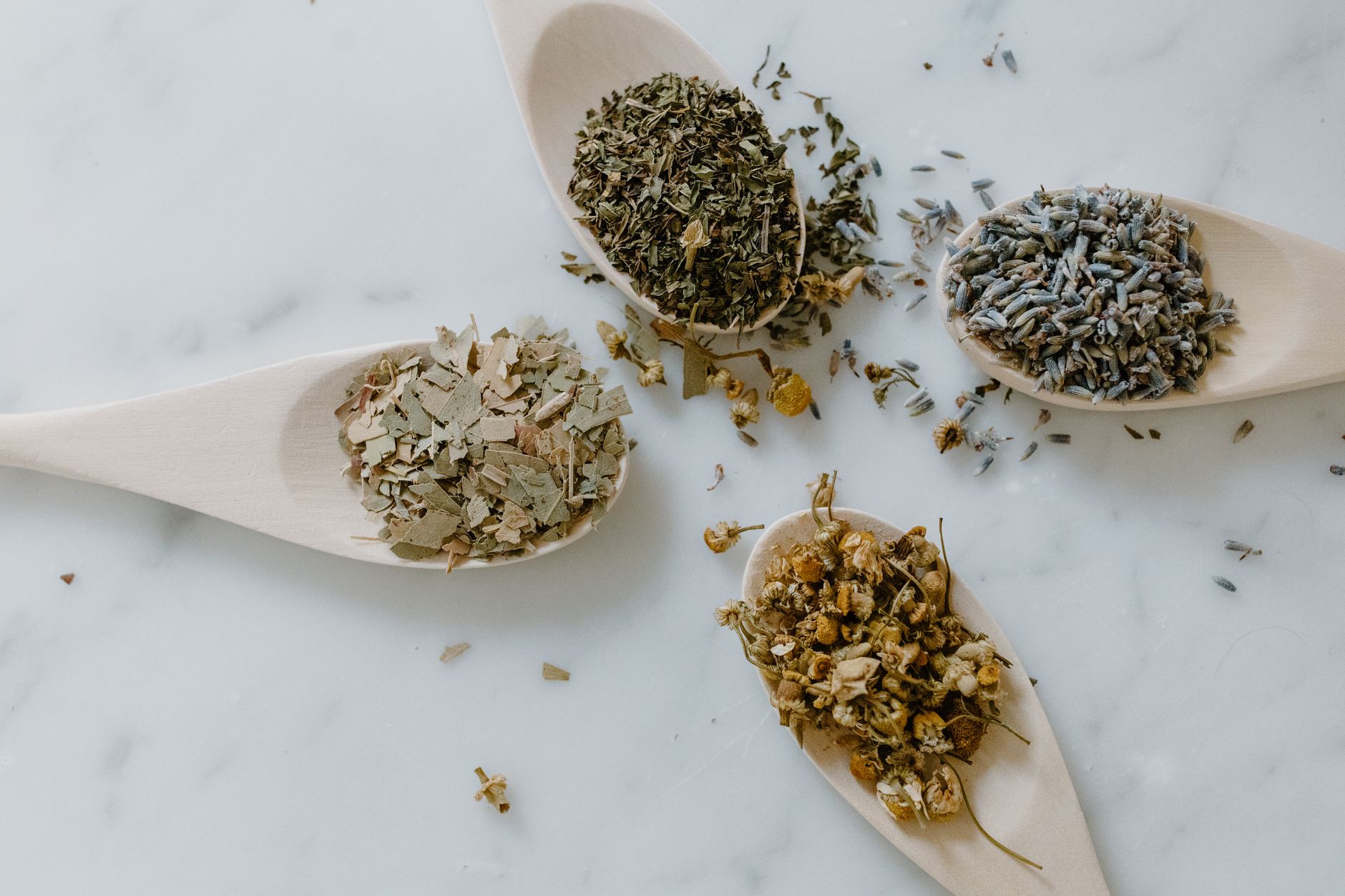
The term gets used loosely, so it’s worth being specific. Functional teas UK-style tend to fall into a few camps. There are adaptogen blends, built around herbs like ashwagandha, reishi mushroom, and rhodiola, which are thought to help the body respond to stress more efficiently. There are nerve tonics, traditional herbal preparations using plants like skullcap, lemon balm, and valerian, with a longer history in British herbalism than people realise. And there are targeted blends for sleep, focus, gut health, or hormonal balance, often combining well-studied herbs with newer ingredients from Ayurvedic or Chinese medicine traditions.
The science is real, if uneven. Lemon balm, for instance, has solid clinical backing for reducing anxiety and improving sleep quality. Ashwagandha’s cortisol-reducing effects have been replicated in multiple trials. Other ingredients are less studied, and some brands are honest about that gap while others are not. The NHS guidance on herbal teas is worth reading if you want a grounded starting point, especially around herbs that can interact with medication.
Why the UK specifically is seeing this boom
Britain has always had a complicated relationship with health. We’re simultaneously a nation that queues for a full English and one that’s capable of taking wellness extremely seriously when the mood strikes. What’s different now is the context. Three years of cost-of-living pressure, post-pandemic fatigue, and a genuine increase in reported anxiety among working-age adults have created a population actively looking for accessible, affordable ways to feel better day to day.
Functional teas fit that gap neatly. A quality adaptogen blend costs anywhere from £8 to £18 for a month’s supply. That’s less than a single GP appointment’s worth of stress, and it arrives in letterbox-friendly packaging. I’d argue the category is also benefiting from the broader shift in how younger Brits think about consumption generally. The move towards intentional ownership means people are buying fewer things but investing more thought in what those things actually do. A tea that just tastes nice is competing with a tea that tastes nice and helps you sleep. The latter wins.

British-grown herbal blends: the producers worth knowing
This is where it gets genuinely interesting. A small but serious network of UK-based producers has emerged, growing and drying medicinal herbs domestically and creating blends that draw on British herbal traditions rather than importing everything from overseas supply chains.
Wylde Moor Botanicals in Cornwall sources much of its material from its own farm, focusing on nervines and digestive herbs. Totally Wild UK in Yorkshire forages and cultivates native plants including cleavers, nettle, and wood avens. Rooted London takes a more urban-apothecary approach, blending adaptogens with British-grown florals. None of these are household names yet, but they’re building loyal followings among people who want traceability alongside efficacy.
The category has also attracted more established players. Pukka Herbs, now part of Unilever but still operating with a degree of independence, has moved further into functional territory. Clipper’s range of sleep and calm teas has expanded substantially. And a wave of direct-to-consumer brands, many of them founded by women in their thirties and forties who felt underserved by existing options, are picking up serious traction on platforms like Faire and Not On The High Street.
Adaptogens, nerve tonics, and where the lines blur
One thing I find genuinely fascinating about this space is how old a lot of it is. Skullcap has been used in British herbal medicine since the 18th century. Elderflower, hawthorn, and St John’s Wort are as native to these islands as anything. What’s changed is framing and distribution. Instagram-era branding and Shopify storefronts have made centuries-old plant medicine feel current and accessible.
Adaptogens are the newest addition to the vocabulary. The term itself is mid-20th century, coined by Soviet pharmacologist Nikolai Lazarev, but the plants it describes, ashwagandha, eleuthero, holy basil, have roots in much older traditions. The UK market for adaptogenic drinks and teas grew by around 34% between 2023 and 2025 according to Mintel’s UK hot drinks report, which is a serious number for what was essentially a niche category five years ago.
There’s a useful parallel with how British consumers eventually engaged with fermented foods. Slow initial uptake, then a tipping point when enough people had a genuinely positive experience and started talking about it. If you’ve been following the UK’s fermented food moment, functional teas feel like the next phase of the same instinct: food and drink as an active choice rather than just a habit.
How to actually get into it without getting lost
The category is noisy. There are brands making serious, well-sourced products and brands selling barely-there herb dust in pretty tins at a premium. A few things I’d look for: ingredient transparency (does the label list actual amounts or just hide everything behind a “proprietary blend”?), sourcing information, and whether the brand makes health claims that seem too definitive. No tea is going to cure your anxiety. One that takes the edge off, reliably and safely, is a different and entirely reasonable thing to expect.
Starting with single-herb teas before jumping into complex blends is a sensible approach. Lemon balm tea is a good entry point, widely available, gentle, and genuinely pleasant. Reishi mushroom tea is an acquired taste but worth trying if stress and sleep are your priorities. Oat straw infusions, made from the green oat plant, have a mild, almost grassy flavour and a long history as a nerve tonic in British herbalism.
For anyone with a health condition or taking medication, a conversation with a medical herbalist registered with the National Institute of Medical Herbalists is genuinely worthwhile. Some herbs interact with blood thinners, antidepressants, and thyroid medication in ways that matter. This is one area where the wellness world’s casual confidence can get people into trouble. Practitioners who take a thorough, clinically informed approach, similar in rigour to how specialists in fields like oxygen tanks services operate within healthcare, are the ones worth seeking out.
Beyond the health angle, there’s something to be said for the ritual of it. Making a proper cup of something intentional, something that isn’t just caffeine on autopilot, fits into the broader way Brits are rethinking their downtime. The reimagined British Sunday has space for this kind of slowness. And honestly, that’s probably as important as anything the herbs are doing biochemically.
The category will keep growing. Expect to see more British-grown raw materials, more pharmacist and herbalist collaborations, and more honest conversation about what the science actually supports. That combination of rigour and ritual is exactly where this is heading.
Leave a Reply