

A couple of years ago, ordering a sparkling water at a pub felt like a minor social ordeal. You’d get the look. Someone would ask if you were driving. Someone else would say something about lightweights. That era is, genuinely, ending. The sober curious UK scene has moved from a fringe wellness trend into something with real cultural weight, and the venues, brands, and social rituals around it have caught up fast.
This isn’t about sobriety as deprivation. It’s not the twelve-step narrative, and it’s not Dry January guilt-tripping people into a month of misery. Sober curiosity is a more relaxed, personal renegotiation with alcohol, asking “do I actually want this drink?” rather than just having it because that’s what you do. And across Britain right now, a lot of people are asking that question and finding the answer is no, actually, not tonight.
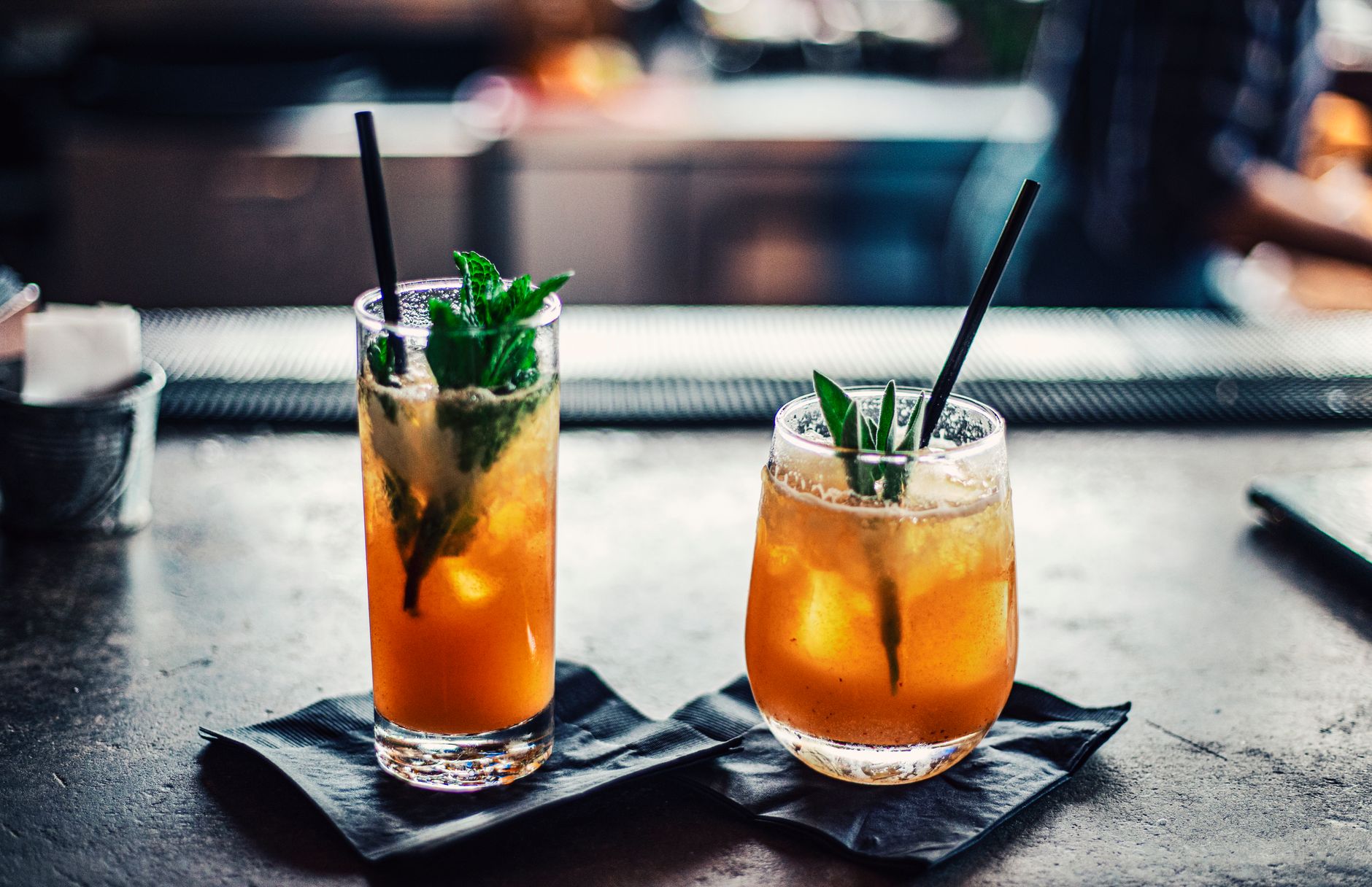
What’s driving the shift in British drinking culture?
The numbers are striking. According to the Office for National Statistics, the proportion of adults in England who say they don’t drink at all has been rising steadily, particularly among 16 to 24-year-olds. Around 26% of that age group now identify as non-drinkers. That’s not a rounding error, that’s a generational reorientation.
I’d argue a few things collided at once. The wellness conversation matured. Gen Z came of age during lockdowns and built social lives that weren’t centred on pubs. The mental health discourse made it harder to ignore what alcohol actually does to anxiety and sleep. And crucially, the alternatives got better. Genuinely, dramatically better. The non-alcoholic drinks market in the UK has exploded, with brands like Seedlip, Drynks Unlimited, and Lucky Saint doing things with flavour that simply weren’t possible five years ago.
For a closer look at how younger Brits are reshaping their evenings more broadly, the piece on how British Gen Z is reinventing the night out covers the wider social shift really well, sober curiosity is just one strand of something much bigger.
Alcohol-free venues and events worth knowing about
The infrastructure around sober socialising has grown up properly now. Manchester’s Alcotraz, the immersive cocktail prison experience, has long offered non-alcoholic versions of every cocktail on the menu, and demand for them has grown year on year. But beyond the novelty concepts, there are genuinely sober-first spaces appearing.
Redemption Bar in London’s Notting Hill was arguably ahead of its time when it opened, serving entirely alcohol-free food and drinks. It’s still there, still busy. In Leeds, a wave of café-bars running “mindful drinking” evenings have built loyal regulars. The London-based Club Soda movement, which runs pop-up alcohol-free shops, events, and tasting sessions, has become something of a hub for people exploring this space, and their events genuinely feel like nights out rather than wellness retreats.
What strikes me about these spaces is that the aesthetic is right. Good lighting, interesting interiors, decent music. Nobody is being lectured. The social contract feels the same as any other bar, you turn up, you order something that tastes good, you have a conversation. The sober curious UK crowd isn’t looking for a sanitised experience; they want the vibe without the hangover.
The drinks themselves have genuinely got good
This is the part that matters most for mainstream adoption. If the non-alcoholic options are still sad elderflower cordial and a flat Coke, the cultural shift stalls. But that’s not where we are anymore.
Lucky Saint’s lager is one I keep coming back to, it’s on tap in a growing number of pubs, including proper independent locals, not just health cafés. Guinness 0.0 is now standard across most Wetherspoons and JD Wetherspoon competitors alike. Seedlip’s botanical spirits work beautifully in long drinks with tonic and fresh herbs. And the kombucha market has quietly become sophisticated, with brands like Jarr and Equinox producing drinks complex enough to actually sip and think about.
Cocktail bars have also lifted their game. Places like Scout in London now treat their zero-proof menu with the same care as the full list, ferments, shrubs, verjuice, cold-brew infusions. Ordering off the non-alcoholic menu doesn’t feel like a consolation prize anymore. It feels like a choice.
Mindful drinking events and the new social scene
Beyond the permanent venues, there’s a circuit of events that’s grown up around sober curiosity in the UK. Mindful drinking festivals, alcohol-free pop-ups, sober socials, and guided tasting evenings happen regularly in most major British cities. Club Soda’s Mindful Drinking Festival in London draws thousands. Sober socials run through apps like Meetup and through dedicated Facebook groups in cities from Bristol to Newcastle.
The social dimension matters here. One of the things that made cutting back on alcohol feel hard for many people was the fear of losing the social lubrication, the easy pub culture, the shared round, the excuse to just hang around with people for hours. The sober curious movement has worked out that you don’t have to sacrifice that. You just need different contexts, or the same contexts with better options available.
There’s an interesting parallel here with the revival of Britain’s third places, the libraries, community clubs, and independent cafés that are pulling people together outside of home and work. Sober socialising fits naturally into those spaces. Not every gathering needs a bar tab attached to it.
Is sober curious UK actually mainstream now?
I’d say yes, with a caveat. It’s mainstream in the sense that ordering an alcohol-free drink no longer requires an explanation. Most decent pubs and bars now stock at least one or two credible options. The question at a party has shifted from “you’re not drinking?” to “have you tried the Lucky Saint?” That’s a real change in atmosphere.
The caveat is geography and class. In London and the bigger northern cities, the infrastructure is genuinely there. In rural market towns or places where the pub is still the only social venue, it’s patchier. The sober curious lifestyle is easier to live if you have access to the venues and products that support it, and that distribution still isn’t even across the UK.
But the direction of travel is clear. Alcohol consumption in Britain has been trending downward for years, and the cultural stigma around not drinking has largely dissolved. Sobriety isn’t a statement anymore. It’s just a choice, one that more and more people are making, quietly, without making a whole thing of it. Which, fittingly, is exactly the energy that defines sober curiosity in the first place.
And if you’re rethinking other lifestyle habits alongside your drinking, the way you socialise, where you spend time, what kind of evenings feel worth having, the piece on why British people are finally taking time off seriously is worth a read. The same recalibration is happening across a lot of areas at once.
Frequently Asked Questions
What does sober curious mean?
Sober curious means questioning your relationship with alcohol without necessarily committing to full sobriety. It’s about making more intentional choices, drinking less, drinking mindfully, or skipping alcohol entirely on some occasions, without labelling yourself an alcoholic or signing up to any particular programme.
Where can I find alcohol-free bars and events in the UK?
Major UK cities have dedicated alcohol-free or sober-friendly venues. In London, Redemption Bar and Club Soda’s pop-up events are well established. Manchester, Leeds, and Bristol all have active sober social scenes, often organised through Meetup groups or the Club Soda network. Most mainstream bars now stock decent non-alcoholic options too.
What are the best non-alcoholic drinks available in the UK right now?
Lucky Saint (lager), Guinness 0.0, Seedlip botanical spirits, and a range of craft kombuchas from brands like Jarr and Equinox are among the most credible options. Most are available in supermarkets as well as bars, and the quality has improved significantly over the past two to three years.
Leave a Reply