Something has quietly shifted in the UK’s after-dark economy. Not with a bang, not with a manifesto, just with a growing number of twentysomethings choosing experiences that don’t end with a kebab and a hangover. The sober social scene UK has been building momentum for a few years now, and in 2026 it’s gone from niche to genuinely mainstream. I’ve been watching this change happen in real time, and honestly? It makes complete sense.
Alcohol consumption among 16 to 24-year-olds in Britain has been falling for over a decade, according to ONS health surveys. But what’s changed recently isn’t just the drinking stats, it’s what people are actually doing instead. Younger adults aren’t staying home. They’re just choosing very differently.
The pub isn’t dead, but it’s not the default anymore
Let’s be clear: British pub culture hasn’t collapsed. The local still has its place, and there’s nothing wrong with a Friday pint. But for a significant chunk of Gen Z, the pub is one option among many rather than the obvious starting point for a social life. The shift is less about rejecting pubs and more about recognising that the entire category of “going out” has expanded.
Cost plays a part. A round in London now regularly clears £30 for four people, and that’s before anyone’s had dinner. But it’s not just money. There’s something bigger happening culturally. Gen Z came of age during lockdowns, when community was rebuilt through interest-led groups rather than proximity to a bar. That habit stuck. They found their people around shared passions, and they want their social life to reflect that.
What sober socials actually look like in 2026
The term “sober social” used to sound like a support group. It doesn’t anymore. In cities like Manchester, Bristol, Edinburgh and London, sober socials now mean anything from silent disco yoga to immersive art evenings, craft workshops, book swaps with natural wine alternatives, or just intentionally designed spaces where drinking isn’t the point.
Club Söda, one of the UK’s longest-running sober lifestyle networks, has seen its event attendance more than double since 2022. Their nights out feel nothing like abstinence; they feel like someone finally designed a social event around the experience rather than the booze. I went to one in Hackney last spring and the energy was genuinely better than most bars I’ve been in, louder, more present, better conversations.
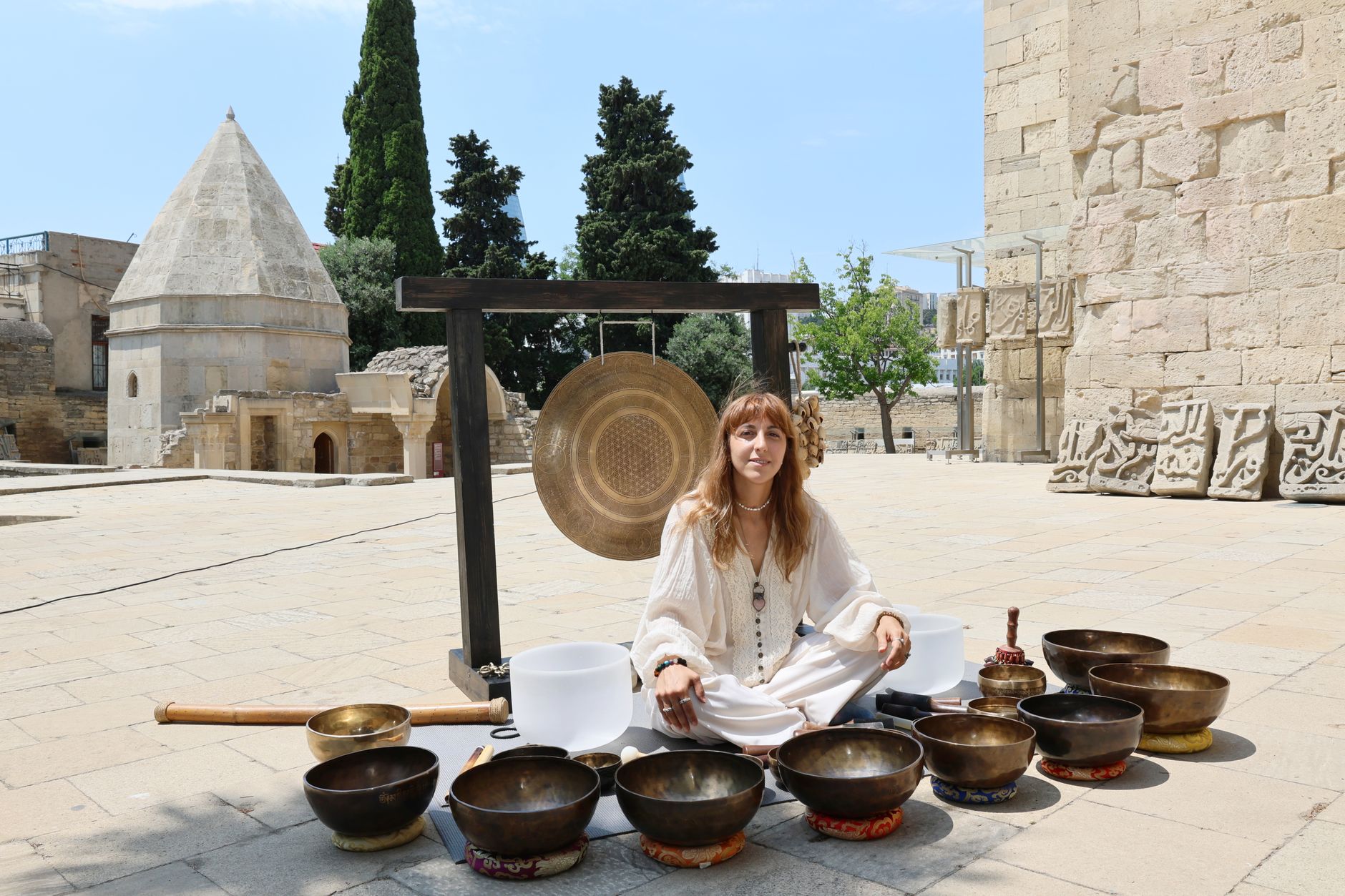
Then there’s the late-night wellness angle. Sound baths, breathwork sessions and cold-water recovery events are being scheduled at 9pm on a Friday deliberately, to catch people who want that communal night-out feeling without the alcohol. Some venues even offer floatation or light therapy sessions as part of a social package. Providers like healthpodonline.co.uk are part of a wider ecosystem of wellness experiences that are finding their footing in exactly this gap in the market, the hours when young adults used to default to nightclubs.
Cultural supper clubs are filling the gap brilliantly
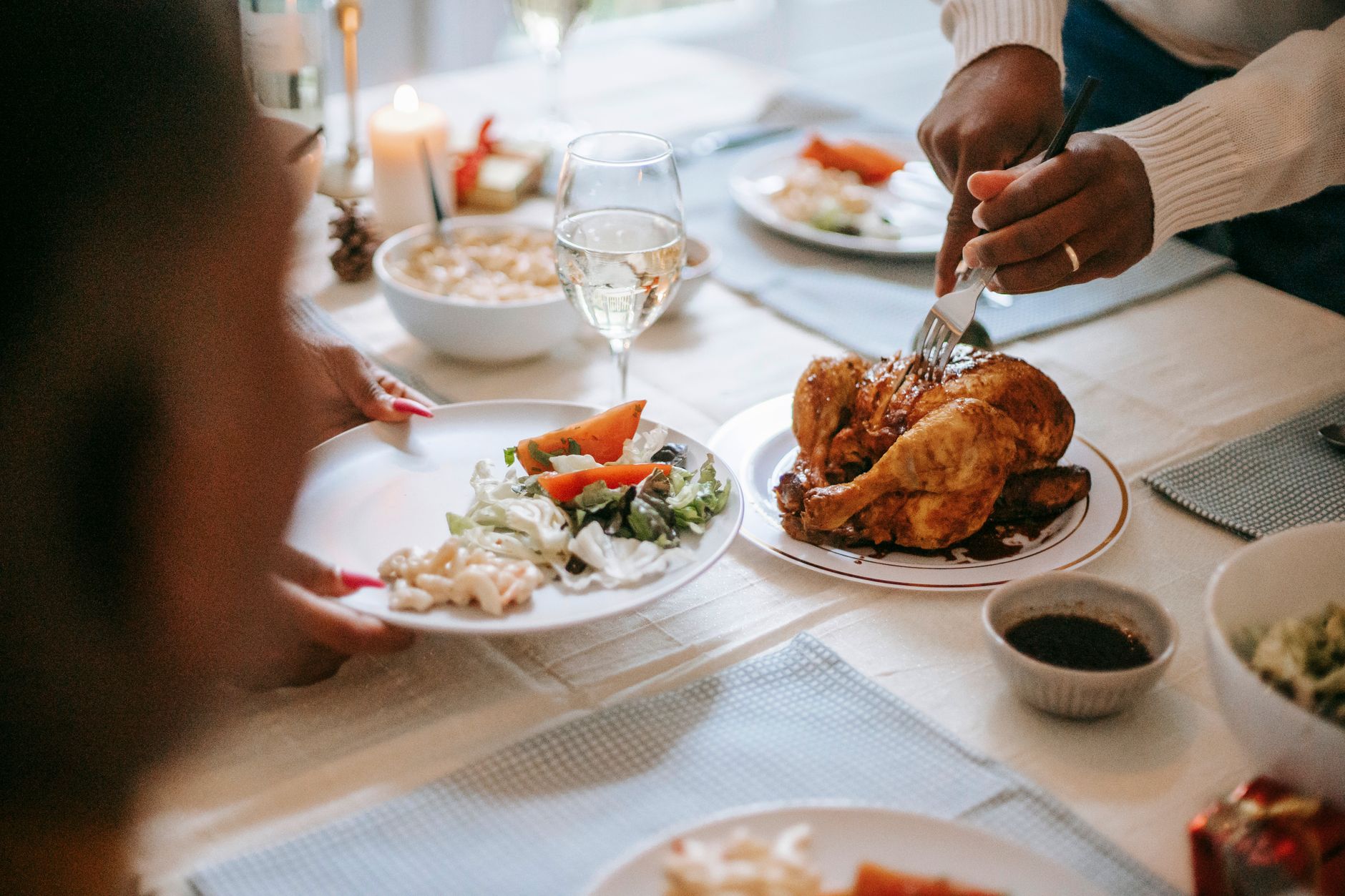
Perhaps the most interesting development is the supper club explosion. These aren’t formal dining events for older crowds, they’re scrappy, intimate, often run out of someone’s home or a borrowed kitchen, and they’re explicitly social in design. They use food as the anchor but community as the point. You go to meet people, to eat something that tells a story, to have a conversation that lasts three hours.
There’s a brilliant one in Birmingham called Dine Different that brings together 20 strangers every fortnight around a rotating cuisine theme. In Leeds, a Somali-British chef named Fadumo runs monthly supper clubs from a community kitchen that sell out within hours. These aren’t restaurants with extra steps, they’re something genuinely new, and they’re pulling people who would previously have spent Saturday night queueing outside a club.
The connection to the new wave of British food culture is obvious. Food has become a legitimate cultural event in Britain, and younger people are treating a good supper club the way a previous generation might have treated a gig.
Why this generation is leading the change
Gen Z gets a lot of unfair criticism for being online and antisocial. From what I can see, the opposite is true. They’re among the most intentional social generalists going, they just want their time to mean something. The difficulty of building genuine adult friendships is something a lot of people talk about, and structured social events like supper clubs and sober nights out are a direct response to that. They lower the awkwardness, give you a reason to be there beyond booze, and create shared experience quickly.
Mental health awareness plays into it too. The relationship between heavy drinking and anxiety is well understood now in a way it wasn’t even ten years ago, and Gen Z isn’t shy about prioritising their mental state over social convention. Skipping the Friday session because you’ve got a sound bath on Saturday isn’t weird anymore. Among certain crowds, it’s the cooler choice.
What this means for the high street and beyond
The economics of this shift are worth watching. UK nightclub numbers have dropped significantly since 2005, and while pubs have held steadier, venue operators who depend on alcohol revenues are having to rethink. The ones adapting fastest are turning evenings into experiences rather than just drinking occasions. It’s not dissimilar to the way the high street has had to reinvent itself around experience rather than just retail, same pressure, same solution.
The good news for anyone running events or venues is that Gen Z is absolutely willing to spend money on a good night. They’re just spending it on tickets, food, workshops and experiences rather than rounds. A £35 supper club ticket feels like better value than £35 in drinks, and the memory lasts longer too.
Britain’s nightlife is shifting, but it’s not shrinking. It’s getting more varied, more intentional, and in a lot of ways more interesting. Whether that’s a lasting cultural change or just a generational blip is still to be seen, but right now, the sober social scene UK has real momentum. And for the first time in a while, going out feels like it has something to offer everyone.
Frequently Asked Questions
What is a sober social and how is it different from a regular night out?
A sober social is any organised social event where alcohol isn’t the focus or may not be available at all. Unlike a regular pub or club night, the event is designed around an experience, a workshop, supper club, wellness activity or cultural event, with socialising built in naturally rather than mediated by drinking.
Are sober socials popular across the UK or just in London?
They’ve spread well beyond London. Manchester, Bristol, Edinburgh, Birmingham and Leeds all have active sober social scenes in 2026, ranging from community supper clubs to late-night yoga events. The format works in smaller cities too, often organised through local community groups or social media.
How much does a sober social event typically cost in the UK?
Prices vary widely. A workshop or wellness event might run from £10 to £30, while a supper club evening typically costs between £30 and £55 including food. Most people find the total spend comparable to or less than a conventional night out once you factor in drinks, entry fees and transport.
Is the trend away from clubbing permanent or just a Gen Z phase?
ONS data shows alcohol consumption among young adults in the UK has been declining consistently for over a decade, so there’s a structural shift rather than a passing trend at play. Whether specific formats like supper clubs remain popular is harder to predict, but the move towards experience-led socialising looks durable.
How do I find sober social events near me in the UK?
Club Söda and Eventbrite both list sober and low-alcohol events across the UK. Local Facebook groups, Meetup.com and Instagram are also reliable for finding community supper clubs and wellness nights in most cities. Searching for ‘mindful drinking events’ or ‘sober curious’ alongside your city tends to surface active local scenes.