There are roughly 11 million households renting privately in England alone, according to the Office for National Statistics. That’s an enormous chunk of the population living under tenancy agreements that ban them from painting a wall, hammering a nail, or doing anything that might upset a landlord who won’t even replace a broken boiler promptly. For years, the assumption was simple: renters just put up with magnolia walls and wait for the day they can afford to buy. That assumption is now thoroughly out of date.
Something has shifted. The generation currently renting, many of whom will rent for another decade at least, given where house prices sit, has decided that “temporary” doesn’t mean “boring”. And they’ve built an entire creative movement around the specific constraints of rental living. I’ve been watching this unfold across social media, in independent shops, and in friends’ flats, and honestly, some of these spaces look better than houses people actually own.
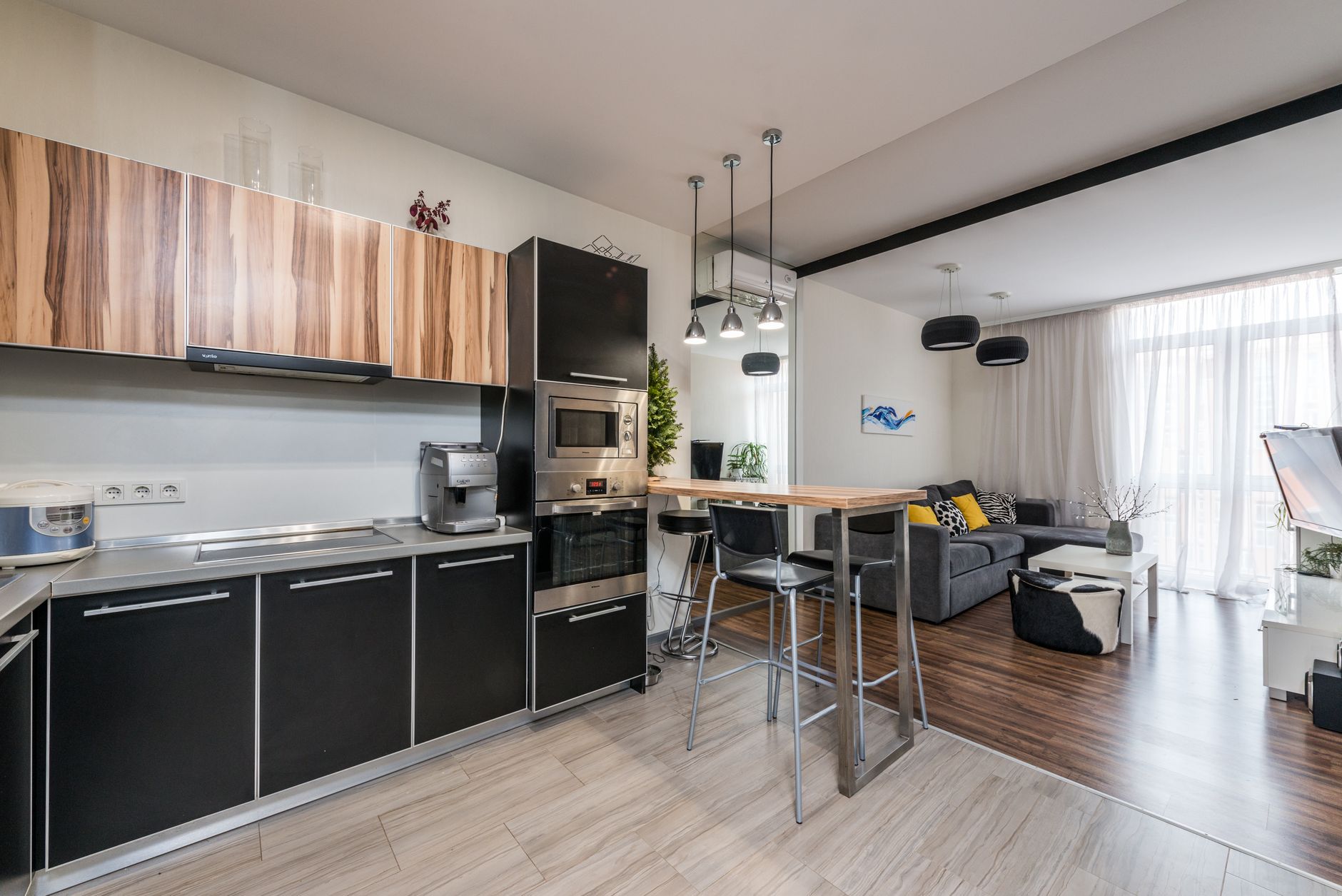
Why renter-friendly home décor UK has become its own design genre
Deposit protection rules mean any damage beyond fair wear and tear comes out of your pocket. Drilling into walls, using permanent adhesives, or painting without permission can cost hundreds of pounds when you move out. So renters have had to get inventive, not just creative, but genuinely problem-solving in ways that have produced a whole new aesthetic language. Command strips, peel-and-stick wallpaper, freestanding furniture, tension rods: these aren’t compromise solutions anymore. They’re the kit of choice for a generation that’s made constraint into a style statement.
The renter-friendly home décor UK scene has exploded partly because the products have genuinely improved. Peel-and-stick wallpaper from brands like Woodchip & Magnolia or Rebel Walls now looks indistinguishable from traditionally hung paper, especially in photographs. Command strips hold up to 3.6kg on smooth walls. Adhesive hooks from companies like Sugru bond to tiles and can be removed without marking. The gap between “can’t drill” and “can’t style” has essentially closed.
What people are actually doing to their rented flats
The most common approach I see is the gallery wall done entirely on strips. You pick up a selection of mismatched frames from charity shops, very much the spirit of the secondhand-everything movement that’s reshaping how British consumers shop, fill them with prints, photos, pressed flowers, anything with texture, and mount the whole thing without a single nail. Done right, it transforms a magnolia expanse into something that looks genuinely curated.
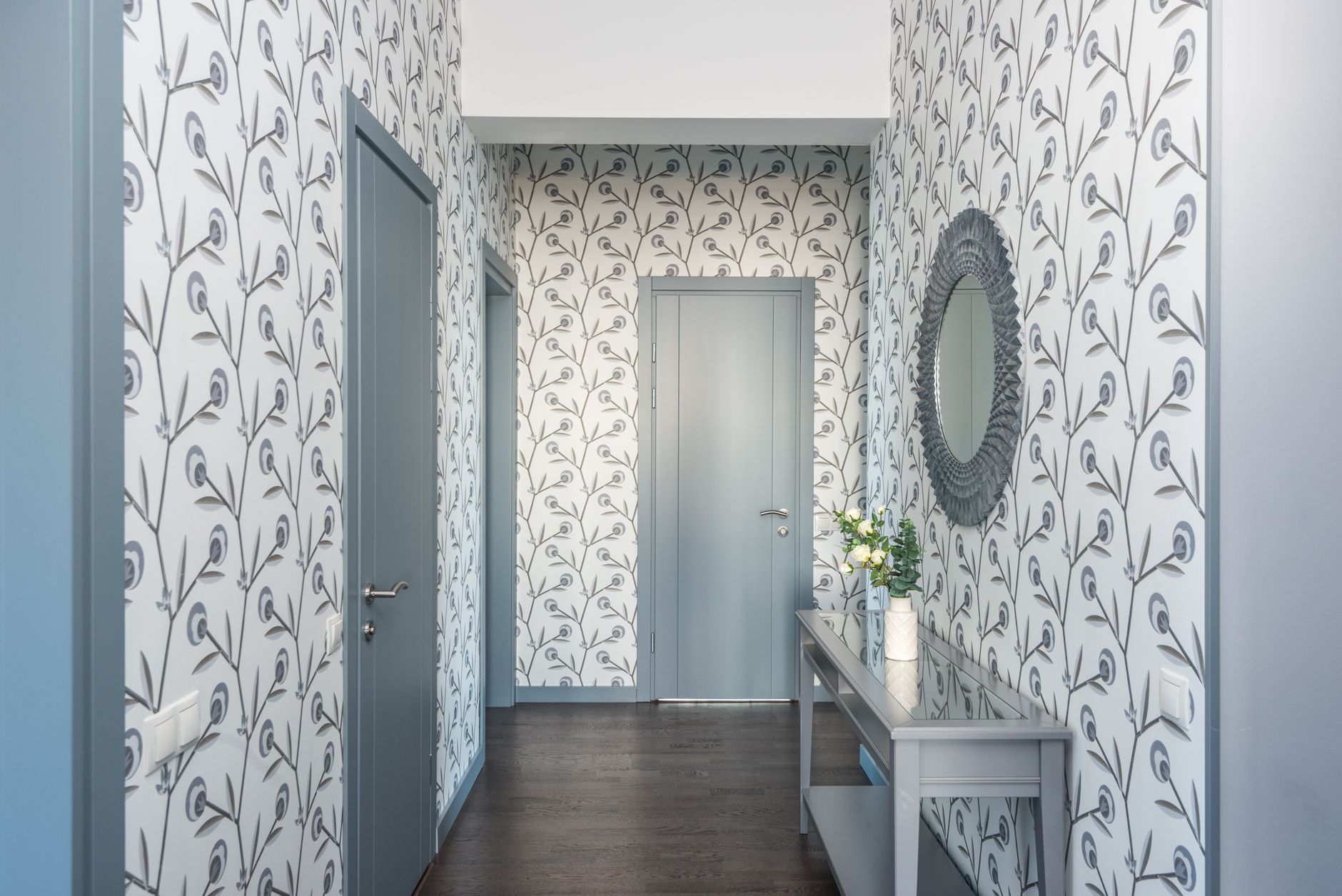
Peel-and-stick wallpaper on a single accent wall is another go-to. A decent-sized roll covers roughly 0.52 square metres, so a feature wall in a typical flat bedroom takes around six to eight rolls, costing between £80 and £160 depending on the brand. That’s a fraction of a professional paint job, and it peels off clean when you leave. I know someone who did a deep forest-green botanical print in her Peckham studio and it looked like a proper boutique hotel room. Her landlord genuinely didn’t know until she pointed it out.
Freestanding room dividers are having a proper moment. In open-plan layouts or studio flats where the bed is five feet from the kitchen, a rattan or fabric screen creates the illusion of separate zones without touching a single wall. Paired with strategic rug placement, a good rug is the single highest-impact thing you can do in a rented space, full stop, you can completely redefine how a room reads. IKEA’s Hyllis shelving unit, placed perpendicular to a wall, does the same job more practically.
Lighting is where renters are really winning. Replacing a landlord’s horrible ceiling pendant (you just switch the bulb back before you leave) with something from Original BTC or even a decent IKEA alternative changes the entire atmosphere of a room. Battery-powered picture lights. LED strip lighting behind furniture. Tall floor lamps in corners that were previously dead space. None of this requires a single screw. These are the same principles behind the quiet luxury home décor approach that’s been trending this year, restrained, considered, and entirely achievable on a sensible budget.
The freestanding furniture shift
One of the bigger changes is how renters are thinking about furniture as architecture. When you can’t build in, you build around. A floor-to-ceiling bookcase (not fixed, just tall) creates a visual anchor point. A wardrobe with character, rather than a fitted one, becomes a focal piece. A kitchen island on castors defines the cooking zone without a single screw into a floor.
This approach also makes moving, which renters do more frequently, obviously, genuinely easier. Your space moves with you. The aesthetic you’ve built is portable. That’s a mindset shift that feels very current: owning your environment emotionally even when you don’t own it legally.
For tech setup in a rented flat, the same logic applies. Rather than fixing anything permanently, renters are leaning into freestanding solutions. For a tidy TV setup, services from TV Aerials can sort the signal side of things without requiring any structural changes to the property. A good television stand with cable management does the rest.
How community is shaping the renter aesthetic
This movement hasn’t happened in isolation. There’s a whole ecosystem of TikTok accounts, subreddits (r/malelivingspace, r/femalelivingspace), and Instagram profiles dedicated specifically to renter-friendly styling. British renters are sharing not just the finished results but the process: what products worked, what the landlord said, what cost what. The knowledge-sharing is genuinely communal in a way that mirrors the broader revival of third places and community spaces happening across the UK right now.
There are also real-world meet-ups, swap events, and secondhand home décor markets popping up in cities like Bristol, Manchester, and Leeds. The premise is simple: you’re moving out, your peel-and-stick wallpaper is in good nick, someone else moving into a similar-sized flat wants it. Everyone wins.
The reality check: what still doesn’t work
I’d be doing you a disservice if I made it sound completely frictionless. Some landlords still contest deposit deductions for adhesive residue, even when you’ve followed product instructions carefully. Taking dated photographs before and after any change is non-negotiable, keep them in a folder with the date recorded. Peel-and-stick paper on textured walls is genuinely tricky; it works best on smooth plaster or painted surfaces. And some leases explicitly ban even temporary modifications, so read yours before you start.
None of that negates the movement. It just means going in informed. The constraint is still real, it’s just no longer insurmountable.
What’s happened is a generation that was told renting means waiting has decided, collectively, that life is now. The flat you’re in today is worth making beautiful, regardless of whether you’ll still be in it in two years. That’s not resignation. It’s confidence. And the spaces coming out of it are, genuinely, some of the most interesting interiors being created in Britain right now.