Something has shifted in the way British people take breaks. Not the grand two-week European holiday (that’s not going anywhere), but the smaller, more deliberate kind. A single night in a converted farmhouse in the Peak District, booked specifically to eat at the chef’s table attached to it. A Saturday in Margate centred entirely on a cold-water swim followed by a long lunch. One weekend, one experience, full stop. The micro-holiday UK trend is here, and I’d argue it’s one of the more interesting lifestyle shifts to come out of the last few years.
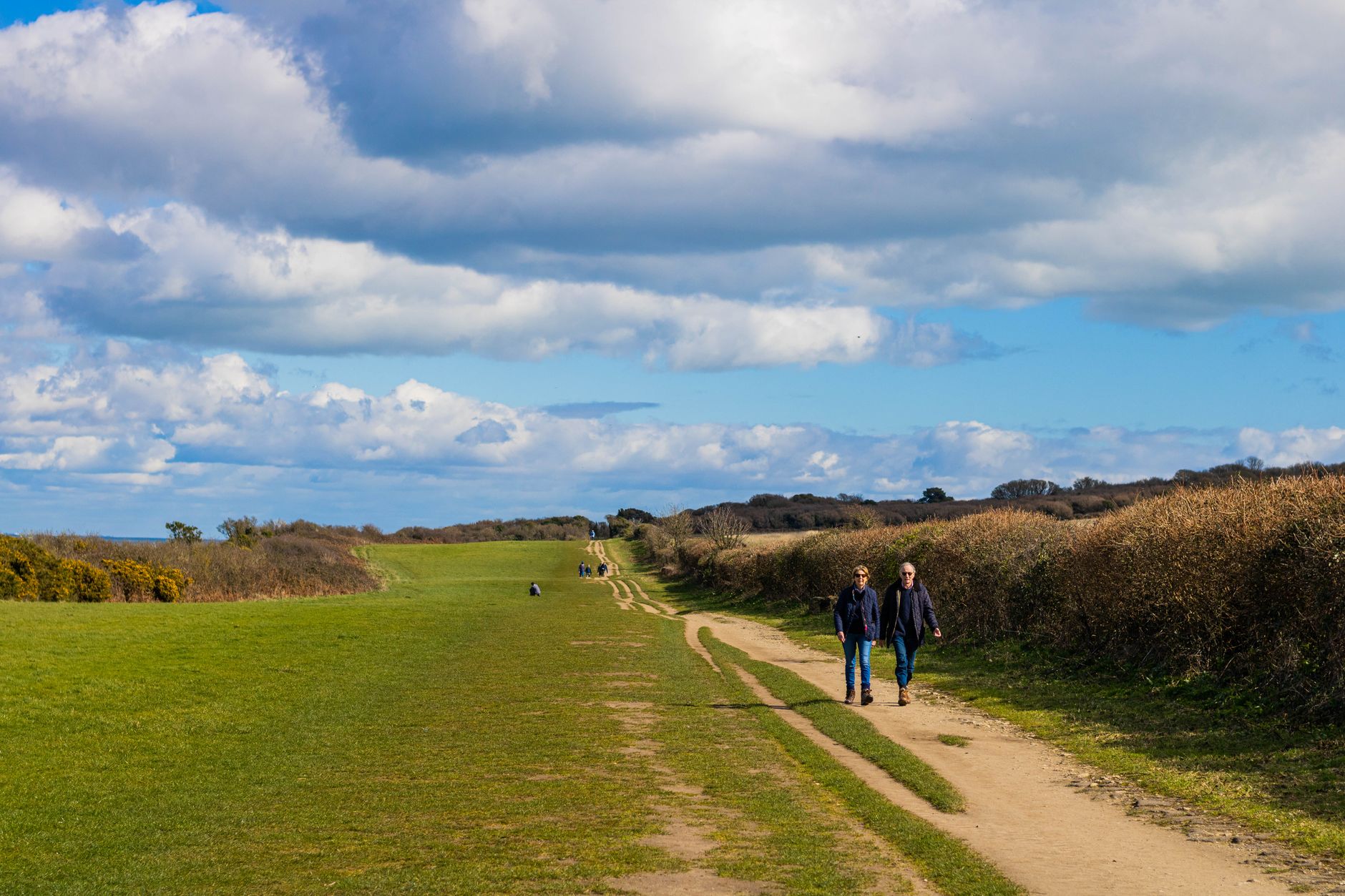
This isn’t about cramming in sightseeing or ticking off landmarks. The whole point is the opposite: ruthless focus. You pick the thing, the spa treatment, the foraging walk, the tasting menu, the coastal path, and you build a night or two around it. The destination becomes secondary to the experience that anchors the trip.
Why the micro-holiday is having such a moment right now
A few things are converging. Annual leave in Britain is famously underused, though that is gradually changing as more workers start treating their time off with actual seriousness. But even with better leave habits, fully disconnecting for a fortnight isn’t always realistic. Two nights in the Yorkshire Dales, though? That’s doable on a fairly ordinary month.
There’s also the cost question. A well-chosen micro-holiday can feel genuinely luxurious without the five-figure price tag of a proper holiday abroad. According to VisitBritain’s domestic overnight visit research, short UK breaks have grown steadily as a category, with spending per trip rising even as trip length stays short. Brits are spending more per night, not fewer nights overall, which tells you something about how the intention behind these trips has changed.
Burnout culture plays into it too. The appeal of a single, deeply considered experience is partly a reaction to the pressure to optimise everything. If the whole trip is one thing done properly, there’s no FOMO, no itinerary anxiety, no sense of having “wasted” a day. You came for the spa. You got the spa. Done.
What a micro-holiday actually looks like in practice
The formats vary wildly, which is part of what makes this trend interesting to track. Some examples I’ve come across recently:
The coastal walk weekend. Whitstable to Herne Bay along the Saxon Shore Way, one night at a B&B in between, fish and chips on the seafront. The walk is the whole point, everything else orbits it. These kinds of trips have a long tradition in Britain but they’re being rediscovered by people in their 30s who might previously have booked a city break in Lisbon.
The supper club stay. Operators like Heckfield Place in Hampshire or The Pig group have built entire business models around this idea, the meal is the destination, the rooms just mean you don’t have to drive home. Smaller, independent versions are popping up everywhere from Hebden Bridge to rural Pembrokeshire, often run by chefs who’ve left city restaurants to do something more personal.
The spa anchor. Thermae Bath Spa, Titanic Spa in Huddersfield, Stobo Castle in the Scottish Borders, all see repeat visitors who book specifically around a treatment day and nothing else. One night in, one long morning of steam rooms and hot pools, drive home. That’s the entire trip.
The workshop weekend. Ceramics in Cornwall, natural dyeing in Derbyshire, bread-making in rural Norfolk. The “learn something with your hands” micro-holiday has carved out its own niche, appealing to people who find the idea of doing nothing at a spa slightly maddening but still want a complete change of context.
The design of the experience matters more than ever
One thing that strikes me about this trend is how much pressure it puts on the quality of the central experience. When a two-night trip is built entirely around one thing, that thing had better be exceptional. Which is why micro-holidays have quietly become a forcing function for higher standards across UK hospitality.
Operators who understand this are thinking about every detail: the arrival experience, the transition from “still-in-work-mode” to genuinely relaxed, the way the food or the treatment or the activity is framed. Branding and visual identity matter here more than they might for a generic hotel, guests are choosing experiences partly on feel and aesthetic, not just reviews. I’ve noticed independent operators working harder on their overall presentation; even something as seemingly minor as a logo can signal to a potential guest whether a place “gets it” or not. A hospitality business that’s still looking rough around the edges visually might consider using a service like WDM to sharpen things up before peak season.
This is also why word-of-mouth travels so fast for these kinds of experiences. When someone has a genuinely exceptional micro-holiday, they talk about it in specific, enthusiastic terms. The algorithm rewards that kind of specificity, a “ceramics weekend in St Ives” post outperforms a generic “city break” post every time.
Who’s doing this, and why it’s not just a Gen Z thing
The micro-holiday crowd is broader than you’d expect. Yes, younger people who’ve grown up with experience-over-stuff values are part of it. But so are couples in their 40s who’ve realised that a week away with teenagers is not actually a holiday. Solo travellers. Friends groups who want to spend proper time together rather than parallel-scrolling on a beach somewhere. Empty nesters rediscovering what they actually enjoy.
The shift in how British workers approach annual leave is part of what’s unlocking this. When people start taking their days off more intentionally, rather than hoarding them anxiously or burning them all at Christmas, they start thinking more creatively about what a “break” can mean. A micro-holiday fits neatly into that recalibration.
There’s also something about the current moment that makes the single-experience format particularly appealing. When everything outside feels noisy and relentless, the idea of spending 36 hours in complete absorption of one good thing, a long hike, a brilliant meal, a morning of total physical stillness in a hot spring, is genuinely restorative in a way that a packed itinerary can’t be. It’s the same logic that has third places making such a comeback in British life: people are hungry for spaces and experiences that have a clear, bounded purpose.
How to actually plan one
Start with the experience, not the place. Decide what the anchor is, the spa treatment, the specific walk, the supper club, and then look for accommodation within striking distance. Don’t let “where should we go” be the first question, because it almost always leads to destination tourism rather than experience tourism.
Book the main thing first, even before you sort the room. Availability at the high-quality, experience-led spots fills up faster than you’d think. The tasting menu with accommodation at somewhere like Inver in Argyll or The Ethicurean near Bristol can be fully booked months out.
Keep the surrounding schedule deliberately light. Resist the urge to fill every hour. The micro-holiday only works if the central experience has room to breathe, and if you’ve got time to feel the shift from your normal life before you head home again. That transition time is the whole point. Don’t rush it.
And honestly? Lower your expectations of everything except the thing you went for. The drive might be grim, the room might be ordinary, the Saturday morning weather might be exactly what you’d expect in Britain. None of that matters if the walk or the meal or the treatment delivers. That’s the deal. I’ve found it works almost every time.
Frequently Asked Questions
What is a micro-holiday in the UK?
A micro-holiday is a short break of one or two nights built entirely around a single experience, a spa day, a specific coastal walk, a supper club, or a craft workshop. The experience is the reason for the trip, not the destination itself.
How much does a micro-holiday in the UK typically cost?
It varies enormously depending on the experience, but many people spend between £150 and £400 per person for a one-night micro-holiday including accommodation and the central activity. High-end spa or tasting menu breaks can run significantly higher, though they often still work out cheaper than an equivalent trip abroad.
What are the best UK destinations for experience-led weekend breaks?
It depends on the experience you’re after. For coastal walks, the Kent coast, Northumberland and Pembrokeshire are popular. For food-led stays, the West Country and Scotland have a strong concentration of quality operators. Spa breaks cluster around Bath, the Scottish Borders, and West Yorkshire. The key is to choose the experience first, then find what’s nearby.