

Pottering is the habit of spending chunks of your weekend doing small, unplanned, low-stakes things with no goal attached, and yes, it is worth protecting. Research on rest and recovery backs the basic idea: time that is not tightly scheduled or measured helps people switch off from work. Here are the common beliefs about it, tested one at a time.
Myth one: pottering is just laziness with a nicer name
It isn’t. Laziness is avoiding things you want or need to do. Pottering is doing things, but gently: re-potting a geranium, walking to the shop the long way, sorting one drawer, listening to the radio while you wipe down the shelves. The activity is real. What disappears is the target.
Psychologists who study recovery from work have long distinguished between simply not working and properly detaching. A body of research on this, including work by Sabine Sonnentag and colleagues, links psychological detachment from work in free time with lower exhaustion. Pottering is one easy route to that detachment, because it gives your head something undemanding to rest on.
Myth two: a good weekend is a full weekend
Plenty of us were taught that days off should be filled, with brunch, a gym class, a house project and a Saturday night out. The result is often a Monday that feels worse than the Friday before. Filling every slot turns leisure into a second job with a rota.
Research on the pressure to use time productively points the same way. Studies on leisure have found that people who treat free time as something to optimise tend to enjoy it less. Leaving gaps is not wasting the weekend. It is the part that does the restoring.
Is pottering actually good for your wellbeing?
Broadly, yes, though it is not a cure for burnout. The NHS lists making time for things you enjoy and spending time outdoors among its everyday suggestions for looking after your mental wellbeing, and pottering sits comfortably inside both. You can read the wider guidance on the NHS Every Mind Matters pages.
What pottering does well is lower the stakes. Nobody is measuring it, so you cannot fail at it. If you are properly burnt out, though, with persistent exhaustion, low mood or trouble sleeping, an unplanned Sunday will not fix it and you should speak to your GP.
Myth three: you need a garden, a shed or a country cottage
The word has a cardigan-and-allotment ring to it, but the habit travels well. A flat works perfectly. Rearrange a bookshelf, bake something without a recipe, wander round a charity shop, repot a windowsill herb. If you do have outdoor space, a tiny plot is plenty, as we found when looking at why Brits are spending serious money on small gardens.
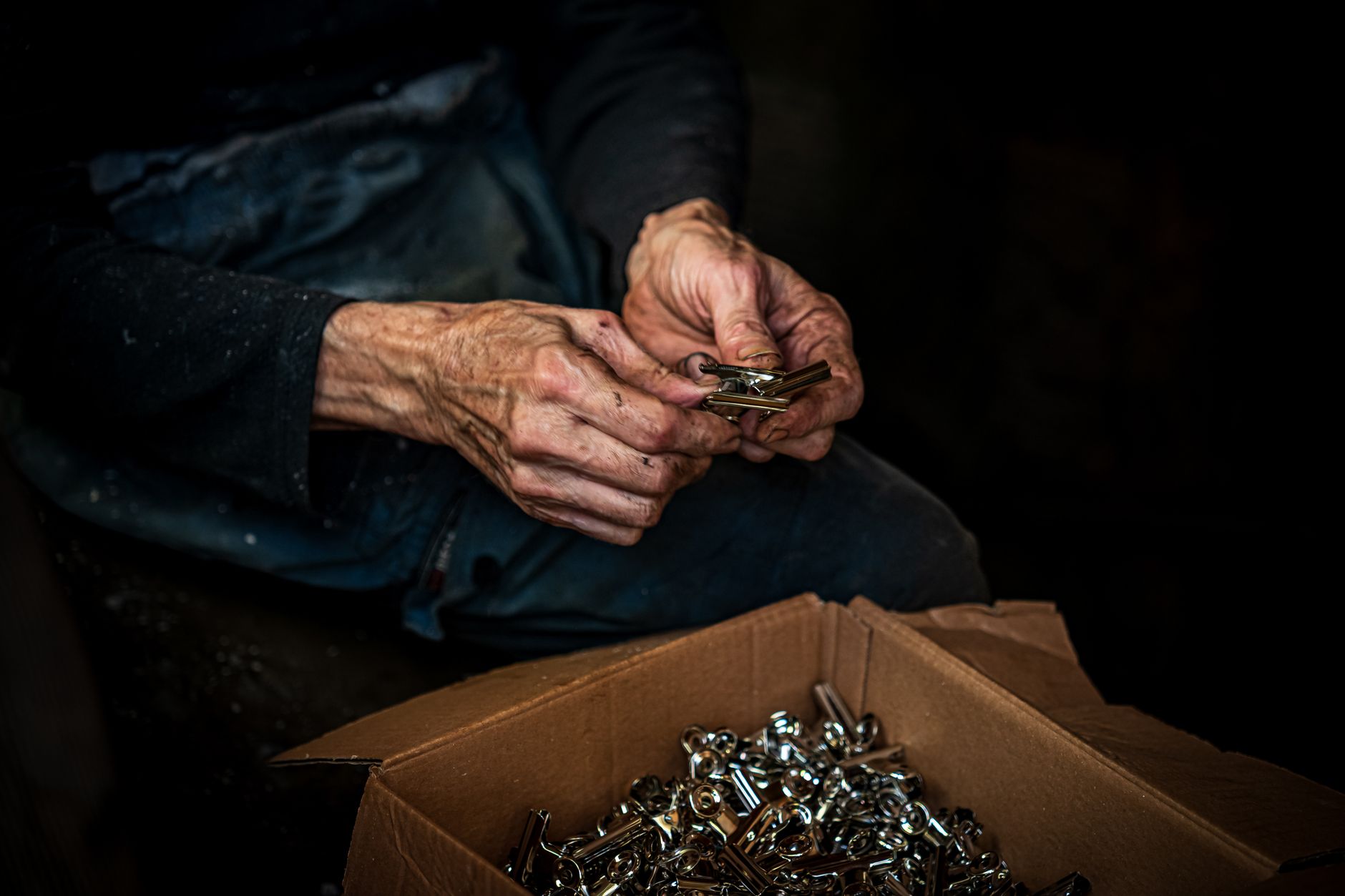
Plenty of people like a project with a tactile, slightly pointless pleasure to it. Say you have a woodburner and a pile of paper and cardboard waste: pressing it into homemade fuel blocks is the sort of slow, hands-on job that fills a Saturday afternoon. If that appeals, the briquette-machines.co.uk range shows what the equipment involves, so you can judge whether it suits your space before getting stuck in.
Myth four: it only works if you ditch your phone entirely
A strict digital detox is nice, but it is not the entry requirement. The real enemy of pottering is the feed, which hands you a stream of small obligations and comparisons. Put the phone in another room for a couple of hours and you get most of the benefit. Keep it for the radio or a podcast if that helps.
How to start pottering without making it a project
The trick is to protect time rather than plan activities. A few practical rules help:
- Pick one block, say Saturday morning or Sunday after lunch, and mark it in the diary as taken.
- Decide nothing in advance. If you need a list, you are no longer pottering.
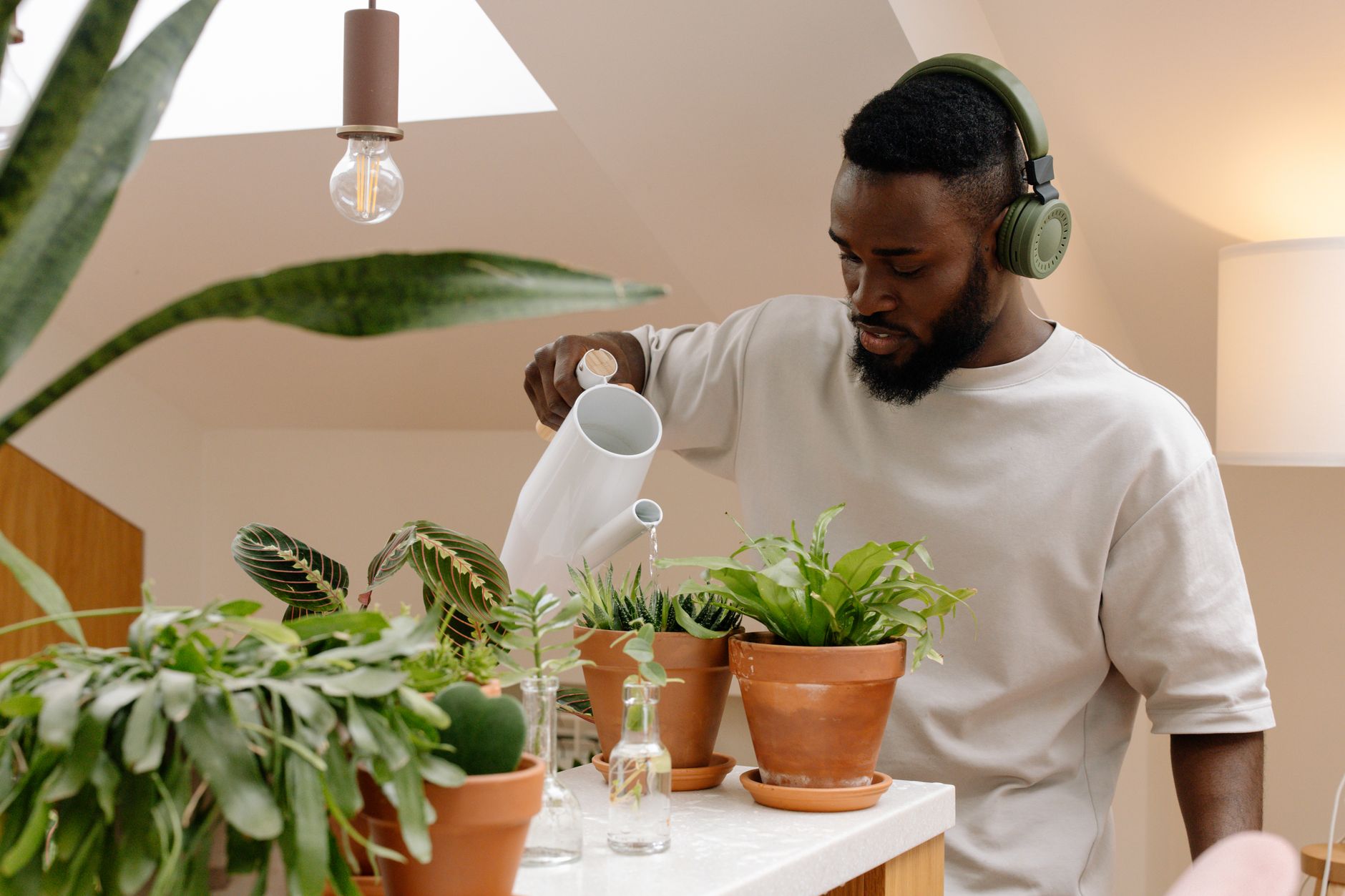
- Start with something small and physical, like tidying a shelf or watering plants.
- Let it end when it ends. No photos, no posting, no review.
- Tell the people you live with, so the block is respected and they can join in or leave you be.
If you like the idea of a quieter two days, it pairs well with a calmer home, which is the thinking behind the soft room trend. It also sits happily beside an away-from-home break, if you fancy mixing it with a micro-holiday built around doing one thing slowly.
Myth five: it will feel good straight away
Often it doesn’t. After a busy week many people feel restless or guilty in the first hour, reaching for the to-do list out of habit. That discomfort is normal and usually fades. Give it three or four weekends before you decide it is not for you.
My advice: start this week with a single protected morning, no plan, and see how Monday feels.
Frequently Asked Questions
What does pottering mean?
Pottering means occupying yourself with small, easy, unhurried tasks or pastimes, usually at home or nearby, without any particular goal. Tidying a shed, watering plants or wandering round a market all count. The point is that nothing needs to be finished.
Is pottering good for mental health?
It can help. Relaxed, low-pressure activity helps many people switch off from work, and the NHS suggests enjoyable pastimes and time outdoors as part of looking after wellbeing. It is not a treatment for burnout or depression, so see your GP if symptoms persist.
How long should I potter for?
There is no set length, but a block of two to three hours is a realistic starting point. Long enough to stop checking the clock, short enough to fit around other weekend plans. Let it end naturally rather than timing it.
Can you potter in a flat with no garden?
Yes. Reorganising shelves, cooking without a recipe, tending houseplants, mending something or browsing a charity shop all work well. Pottering is about the pace and lack of pressure, not about having outdoor space or a workshop.
What is the difference between pottering and doing nothing?
Doing nothing means resting completely, while pottering involves gentle, light activity. Both can be restorative. Many people find pottering easier because it keeps hands and mind lightly busy without demanding effort or any result.




Leave a Reply