

The most common mistake people make about exercise in midlife is assuming the problem is willpower. It usually isn’t. The gym was built around a version of fitness that suits a 22-year-old with spare evenings, and plenty of 35 to 55 year-olds have quietly decided that low-impact sports in the UK fit their lives far better. That matters because the best workout is the one you still do in March.
Here are the shifts behind the trend, and why they’re sticking.

1. Walking football is not what you think
People hear the name and picture a gentle shuffle. It’s quicker than that. The rule is simple: no running, so one foot must always be on the ground, and there’s no heavy contact. That takes the sting out of the knees and hamstrings while keeping the tactics, the banter and the competitive streak. The Football Association backs the format and it has spread through local clubs and leisure centres, so a quick search of your area is usually all it takes to find a session.
2. Padel is the social one
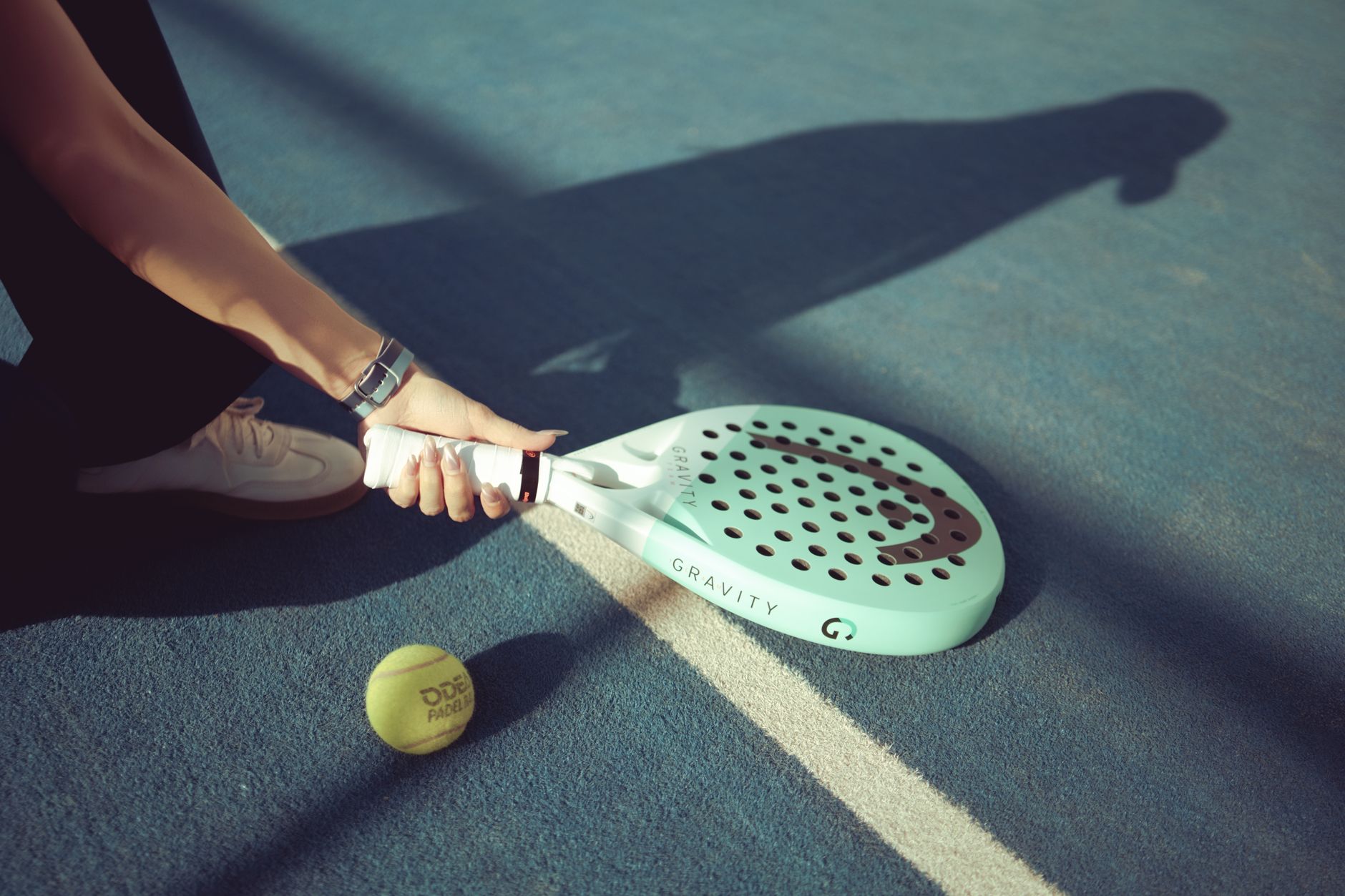
Padel is played in doubles on a smaller, glass-walled court, with a solid racket and an underarm serve. Beginners can rally within minutes, which is the whole appeal. Because it’s always four people, you book with friends, swap sides and end up at the bar afterwards. Lawn Tennis Association figures have shown rapid growth in the number of courts across Britain in recent years, and new venues keep opening. If you want a sport that feels like a night out with a bit of sweat in it, this is it.
3. Pilates replaced the treadmill
Pilates asks for control rather than punishment. Core strength, posture and mobility are the selling points, and that suits desk workers with sore backs and tight hips. Reformer studios have popped up on high streets, but a mat class at a local hall costs far less and does much of the same job. It’s also easy to stick with, because nobody leaves feeling wrecked.
4. Swimming and wild dipping are back
Swimming has always been the classic low-impact option, and it’s gaining new energy from open-water groups. Many meet weekly at a lake or coastal spot, swim, then drink tea from flasks. The exercise is almost beside the point. If you try it, join an organised group rather than going alone, as cold water carries real risks.
5. Park-based and group walking
Nordic walking, rambling clubs and organised park walks get overlooked because they sound too gentle. They aren’t pointless: brisk walking counts towards the NHS recommendation of at least 150 minutes of moderate activity a week for adults. Their strength is how easy they are to start. You need decent shoes and a free morning.
What do the participation figures say?
Sport England’s Active Lives survey is the main source on how active adults in England are, and it has repeatedly shown that walking, fitness and swimming dominate participation, with many people choosing informal activity over traditional team sports. I’d treat any single headline figure with care, so read the latest release on the Sport England website for the current numbers. The direction of travel is clear enough: flexible, lower-impact activity is where the growth sits.
6. The social side keeps people coming back
This is the real engine. A gym membership asks you to motivate yourself, alone, in a room of headphones. A Tuesday walking football session or a padel group chat creates a small obligation to other people, and that’s far harder to wriggle out of. It echoes the wider shift towards third places and shared experiences, and it fits with the drift away from heavy drinking too: the post-match pint is optional now, and a coffee does the job. Related reading on this: why Brits are spending on experiences with strangers.
7. Lower injury risk means fewer lost weeks
Anyone who has returned to running after a lay-off knows the cycle: too much, too soon, then a calf strain and three weeks on the sofa. Lower-impact formats cut that risk and let you build consistency. If you have a long-term condition, joint problems or you’ve been inactive for years, speak to your GP before starting, and the NHS site has sensible guidance on getting going.
How do you pick the right one?
Choose based on what you’ll actually turn up for, not what sounds virtuous. Ask yourself three things: do you want company, do you want competition, and can you get there on a weeknight without a faff? If you also like checking the practical side, a sport that needs a car and an hour’s drive will fail fast.
Many people like to know what they’re driving to the court in, too, and if you’re weighing up a new motor for those evening trips, the cardata.wiki pages let you compare specs such as boot space, handy when you’re carrying rackets, kit bags and a flask.
My advice: pick one option from this list, book a taster session this week, and take a friend. Most clubs and studios offer a free or cheap first go.
Frequently Asked Questions
Is walking football good exercise?
Yes. Although running isn’t allowed, the constant movement, turning and passing raises your heart rate and works your legs and balance. It suits people who want a team sport without the impact of the full game.
Is padel easy for beginners?
Padel is widely seen as one of the easiest racket sports to pick up. The underarm serve, solid racket and walls that keep the ball in play mean you can enjoy rallies in your first session.
How much exercise do UK adults need?
The NHS recommends adults aim for at least 150 minutes of moderate-intensity activity a week, plus strength exercises on two days. Brisk walking, swimming and doubles padel can all count towards the moderate-intensity target.
Is Pilates enough to stay fit?
Pilates builds core strength, flexibility and posture, but on its own it may not give you enough cardio. Pairing it with brisk walking or swimming covers the NHS guidance more fully.
How do I find a local walking football or padel session?
Search your county FA site for walking football and the Lawn Tennis Association’s venue finder for padel. Local leisure centres and community Facebook groups often list taster sessions too.





Leave a Reply