

There is a moment most people in British offices will recognise. It is about half four on a Friday, someone sends a message in the group chat saying “drinks tonight?” and you feel a low-level dread you cannot quite name. Not because you dislike your colleagues. Not because you are anti-social. But because you are tired, you do not really drink, or you just cannot face two hours of shouted conversation in a sticky Wetherspoons near Liverpool Street. Work social culture UK 2026 looks, on the surface, like it always did. Underneath, it is shifting fast.
The after-work pint has been the default setting of British professional bonding for decades. It suited a particular kind of worker, at a particular moment in history. That moment is passing. What is replacing it is more interesting than most workplace trend pieces give it credit for, and the reasons behind the shift say a lot about how attitudes to alcohol, inclusion, and what actually makes people feel like they belong have changed.
Why the pub is no longer the default
The numbers are hard to ignore. According to the ONS Adult Drinking Habits survey, nearly a quarter of British adults now identify as non-drinkers. That figure is even higher among under-35s, where abstinence or near-abstinence has become genuinely normal rather than the exception that needs explaining. Put that in the context of a workplace and the arithmetic is blunt: organise every social event around alcohol and you are immediately excluding a significant chunk of your team.
I have spoken to people across different industries about this, and the feedback is consistent. The problem with pub-centred work socialising was never really the pub. It was the assumption. The assumption that everyone drinks, that everyone is comfortable in a loud bar environment, that staying until last orders is how you demonstrate that you are a team player. For people who do not drink, whether for health reasons, religious reasons, pregnancy, or simple preference, those events never felt like belonging. They felt like an audition.
What inclusive work socialising actually looks like
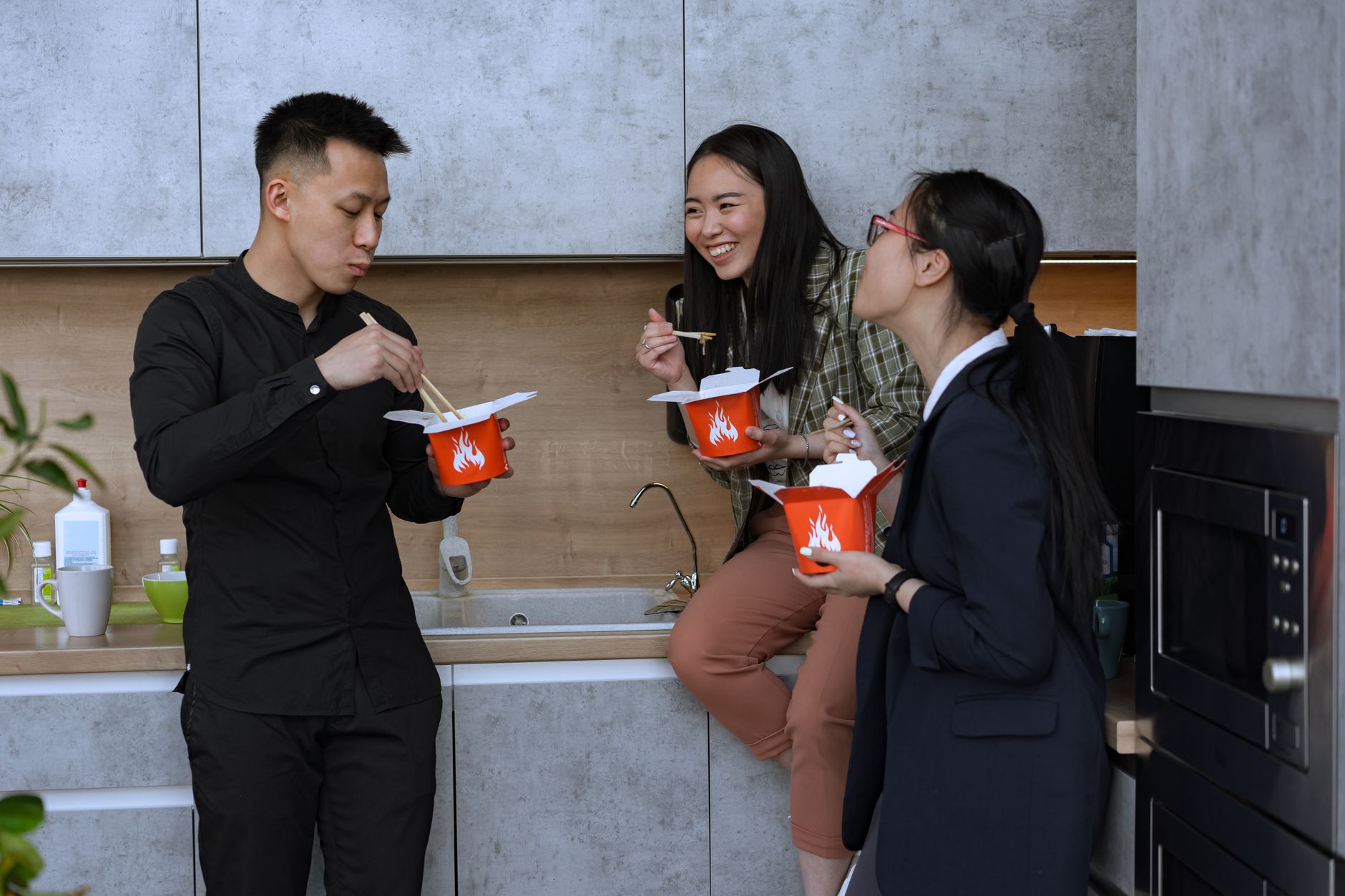
The formats replacing the standard after-work session are varied, and that variety is the point. Escape rooms, pottery classes, walking meetings, supper clubs with proper food rather than peanuts, volunteering mornings, even competitive mini golf (which has genuinely taken hold in UK cities). Some companies are running what they call “social hours” during the working day itself, shifting the bonding time away from the evening entirely. This matters particularly for working parents, carers, and anyone on a four-day arrangement, a group that has grown steadily as the four-day working week has spread across British businesses.
The sober-curious movement has played its part too. Across the UK, alcohol-free venues and genuinely good non-alcoholic drinks have made it easier to keep some of the pub’s social looseness without the pressure to drink. If you have not been paying attention to how fast this scene has grown, you might be surprised. The sober curiosity shift in British nightlife has fed directly into workplace culture, giving teams a middle path between the old boozy sessions and overly corporate away-days.
What I find genuinely striking is how little resistance there is to these changes from older or more traditionally minded workers. The conversation has moved on from “why can’t people just have a drink” faster than most people expected. The pandemic disrupted habits that seemed permanent. Remote and hybrid work made proximity less of a given. And workplaces that had always leaned on “just go to the pub together” found that when pubs were closed, the team did not fall apart. The informal bonding happened in other ways. That was instructive.
Belonging at work, without the pressure
The deeper question here is not really about alcohol at all. It is about what belonging at work actually requires. The case for low-pressure social formats is not just about inclusion in the abstract. It is about what kind of relationships actually form when people are not performing comfort they do not feel.
I think about this in the context of the broader shift happening across British social life, where third places, those community spaces between home and work, are being reimagined as low-pressure alternatives to venues built entirely around spending and consuming. The same logic applies inside the office. A team lunch on a Thursday, a walk during the workday, a shared cooking class where nobody has to talk if the task is absorbing enough, these things build rapport without forcing it.
There is also a practical point about budgets. Workplace social budgets have tightened in many organisations, and spending that budget on something inclusive and memorable beats spending it on an open bar where half the team quietly leaves by 7pm. Activity-based socialising tends to produce stronger shared memories than passive proximity in a pub, which is partly just the psychology of how bonding works.
What employers are getting wrong
The main failure mode I see is performative inclusion. A company swaps its Christmas party venue from a bar to a bowling alley, congratulates itself, and changes nothing else about how social participation is implicitly expected. The bowling alley is fine. The implicit expectation that everyone must attend, must seem enthusiastic, and must treat social events as professionally mandatory is the real issue.
Genuine progress looks like social events that happen during working hours when possible, a genuine range of formats across the year rather than the same thing every quarter, and management that does not read your non-attendance as a signal about your commitment. That last one is harder to policy-write than the others, because it lives in tone and culture rather than procedure. But it is probably the most important.
Work social culture UK 2026 is not anti-social. If anything, the appetite for genuine connection at work, for actual camaraderie rather than enforced proximity, seems higher than it was a decade ago. People want to like the people they work with. They just want the route to that to feel less like an obligation and more like an invitation. That is not a radical ask. It is a pretty reasonable evolution.
Frequently Asked Questions
Why are after-work drinks becoming less popular in UK workplaces?
A growing proportion of British workers do not drink alcohol, and many more feel that pub-centred socialising excludes people with caring responsibilities, health conditions, or different preferences. Hybrid working has also reduced the habit of staying in the office area after hours.
What are good alternatives to pub socials for work teams?
Activity-based options tend to work well: escape rooms, cooking classes, walking events, volunteer mornings, or supper clubs with proper food. Daytime social hours, hosted during the working week rather than the evening, are also increasingly common and more accessible for parents and carers.
How can employers make work socials more inclusive?
Schedule events during working hours where possible, vary formats across the year, and ensure non-alcoholic options are genuinely good rather than an afterthought. Critically, make attendance genuinely optional without any implicit professional consequence for those who do not attend.
Leave a Reply