

Something shifted quietly over the past few years. Solo living in the UK is no longer the slightly sad default for people who couldn’t make house-sharing work. It’s become, for a growing number of young Brits, a deliberate and genuinely exciting choice. According to the ONS Families and Households data, one-person households now account for around 30% of all households in England and Wales. That number has been climbing steadily, and the people driving it younger than you might think.
What’s actually driving the solo living trend?
It’s a mix of things, and none of them are as simple as “people are lonelier” or “the housing market is broken” (though both of those sentences contain some truth). A big part of it is that the cultural script around adulthood has changed. Getting married in your mid-twenties, buying a semi-detached with your partner, having kids before thirty: fewer people are following that order now, and fewer still feel they should. Alongside that, there’s been a genuine revaluation of personal space and autonomy, something the pandemic absolutely accelerated.
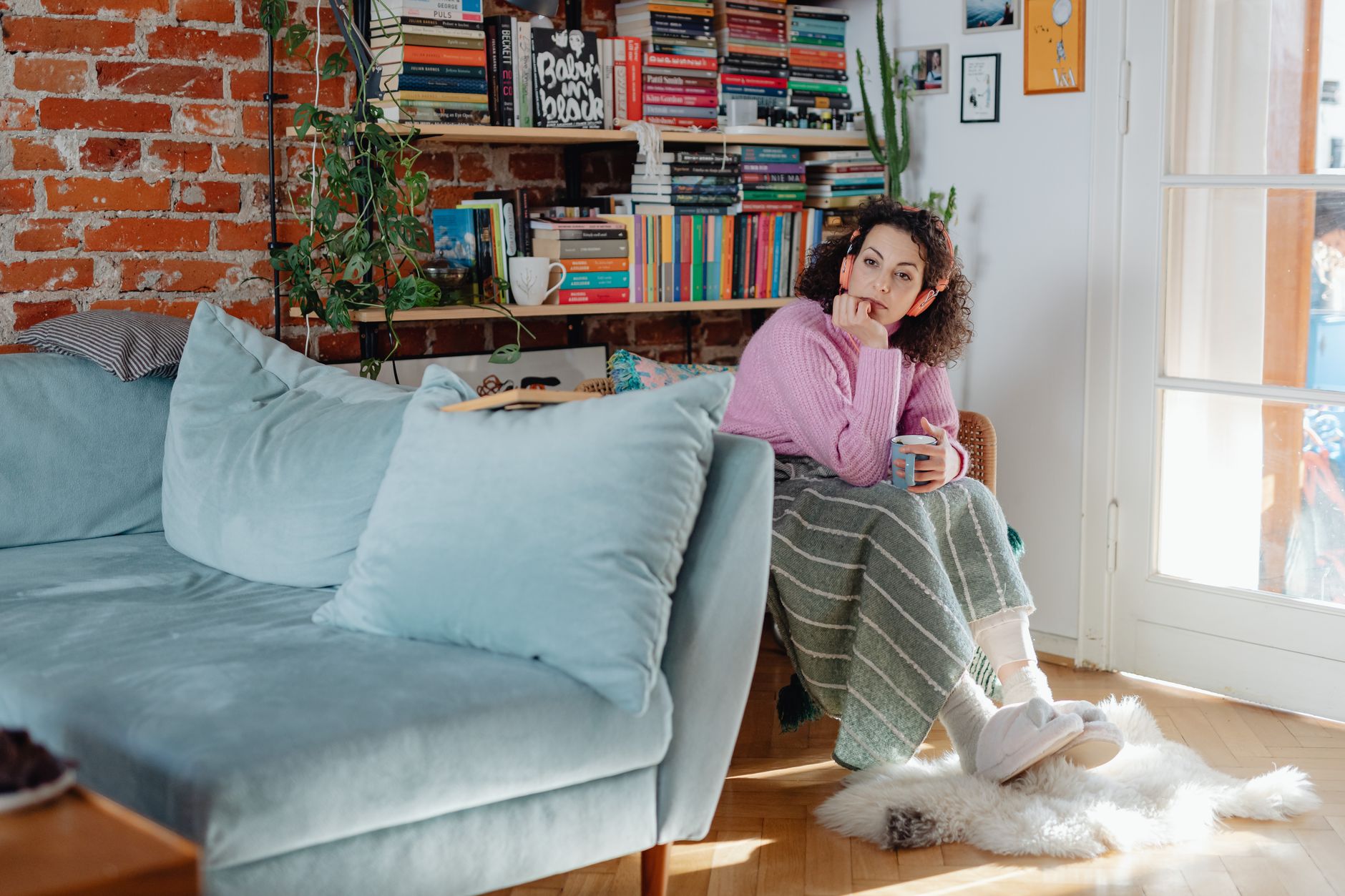
I’ve spoken to people in their late twenties and early thirties across London, Manchester, and Bristol who describe their solo flat as the first place that’s felt entirely theirs. Not a compromise with flatmates, not an extension of their parents’ house, not a space designed around someone else’s tastes. Just theirs. That sense of ownership over your own environment turns out to matter enormously for wellbeing.
The financial reality of living alone in the UK
Let’s not romanticise this too hard. Solo living in the UK is expensive, and the numbers are genuinely challenging. Without someone to split the council tax, gas, electricity, broadband, and rent with, you’re carrying the full load. The single-person council tax discount is 25%, which sounds decent until you realise you’re still paying 75% of a bill usually split two or more ways.
Rent is the obvious bruiser. In London, the average one-bedroom flat will cost you somewhere north of £1,800 per month in most zones. Outside the capital it’s more manageable: Leeds, Sheffield, Nottingham, and parts of Birmingham still have one-beds in the £700-£1,000 range. The shift to remote and hybrid working has made those cities genuinely viable in a way they weren’t five years ago, and plenty of solo dwellers I know have made exactly that calculation.
One thing that surprises people: the creativity that solo living demands financially can actually develop genuinely useful habits. Cooking for one efficiently, tracking exactly where your money goes, building an emergency fund with real discipline. Some solo dwellers use that headspace to build side projects or freelance income streams; a few I know have even used that independent energy to Make my own website and turn a hobby into a proper business.
Making a single-occupancy flat feel like home
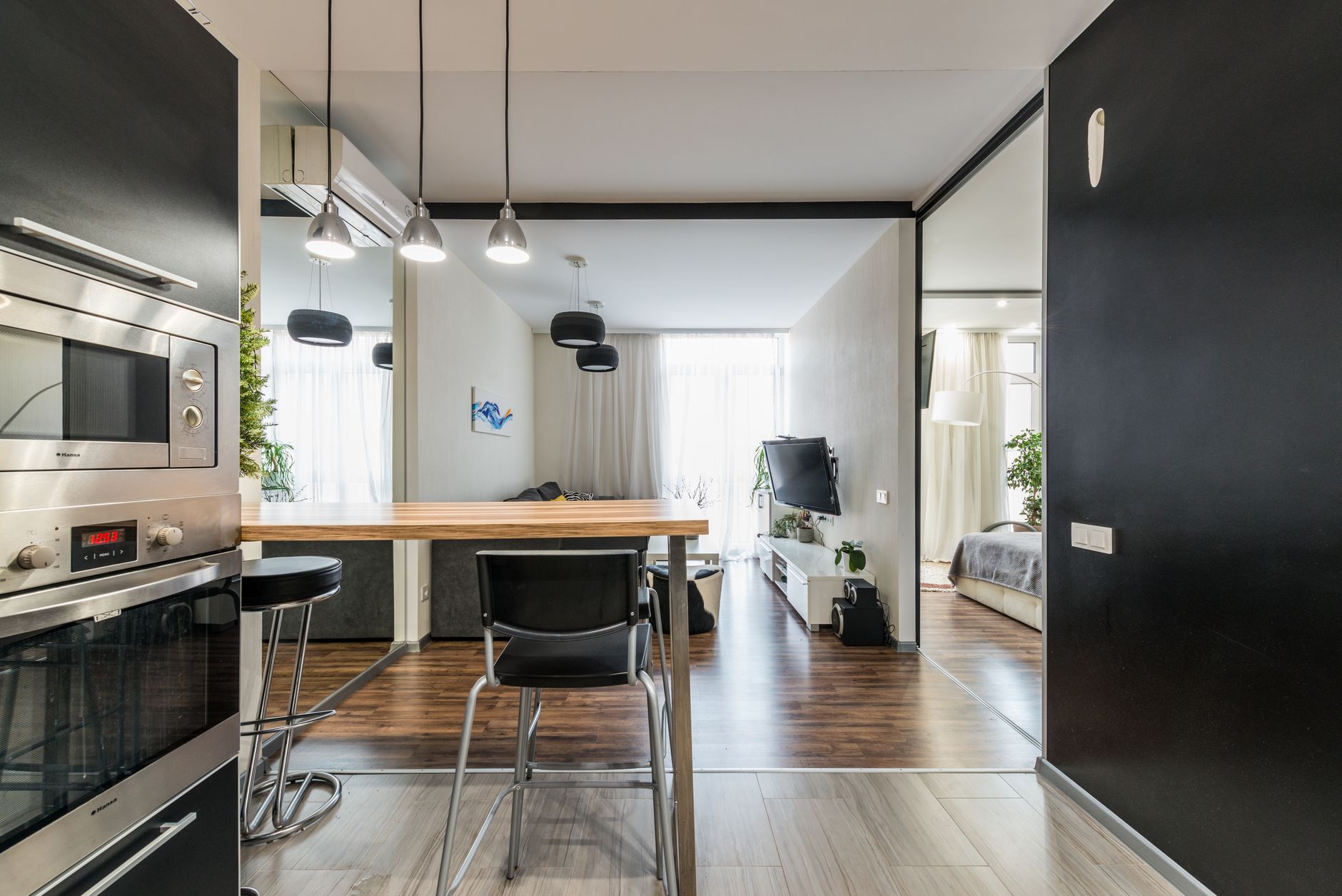
This is where it gets genuinely fun. One of the best things about living alone is that the aesthetic choices are entirely yours. No negotiating over whether the sofa should be grey or green. No passive-aggressive note about the washing up. Just you, your taste, and however much you want to spend on making the space feel right.
The quiet luxury approach to interiors has filtered right down into how solo dwellers are thinking about their flats. It’s less about filling space and more about editing carefully: one good piece of furniture rather than four mediocre ones, textiles that actually feel nice, a considered colour palette. I’d argue this mirrors the broader trend we’ve been tracking in British interiors generally, where quality over quantity has become the dominant logic.
If you’re renting (and the majority of solo dwellers in their twenties are), the constraints are real but navigable. Removable wallpaper, good lighting that you take with you when you leave, rugs over tired flooring, plants that make a room feel genuinely lived-in. British renters are doing extraordinary things with temporary spaces right now, and much of that creativity has been driven by people living solo who actually care deeply about their environment.
The social side: is solo living lonely?
Honestly, it depends enormously on the person and the infrastructure around them. Living alone removes the accidental social contact that comes with flatmates, which for some people is a net gain and for others genuinely requires replacing with intention. The Brits who seem to thrive in solo living are almost always the ones who are deliberate about their social life rather than passive about it.
That’s part of why the revival of what researchers call “third places” matters so much for solo dwellers specifically. Britain’s third places, from community libraries to independent cafés, are making a real comeback, and for people living alone they serve a function that’s more than just somewhere to go. They’re the infrastructure of a social life that doesn’t require you to share your living room with anyone.
Plenty of solo dwellers are also genuinely reframing what their social needs look like. Fewer but more meaningful plans. Weekend trips that are built around a single experience rather than trying to pack in everything. I’ve noticed real overlap between the solo living mindset and the British micro-holiday trend, where a solo long weekend somewhere interesting replaces the exhausting group holiday nobody really enjoyed.
What living alone actually teaches you
There’s a version of solo living that gets written about as a phase, something you do until “real” life starts. My take is that it’s more formative than that. You learn how you actually want to spend your time when nobody else’s preferences are in the room. You work out which friendships you actively choose versus the ones you fell into through proximity. You discover whether you like silence or whether you fill it with noise, and why.
For a lot of young Brits, solo living isn’t a waiting room. It’s the point. And given the pace at which one-person households are growing, the culture and the economy are slowly, belatedly, starting to catch up with that reality.
Frequently Asked Questions
How many people live alone in the UK?
Around 30% of all households in England and Wales are single-occupancy, according to ONS data. That figure has been rising consistently over the past two decades, with the steepest growth among adults aged 25-44.
Is living alone in the UK financially worth it?
It’s more expensive than sharing, largely because you bear the full cost of rent, bills, and council tax (with only a 25% single-person discount). However, many solo dwellers find they spend more deliberately and build stronger savings habits once they have full visibility over their outgoings.
What are the best UK cities for solo living on a budget?
Sheffield, Leeds, Nottingham, and parts of Birmingham offer solid one-bedroom flat options in the £700-£1,000 per month range. The rise of hybrid working has made these cities much more practical for people who no longer need to be in London five days a week.
Leave a Reply