

Something shifted, and it happened fast. The secondhand shopping UK trend used to carry a certain stigma, charity shops were for skint students, car boot sales were a Sunday morning curiosity, and anything described as “preloved” made people quietly wince. Now? Buying new feels almost naive. The resale market in the UK was worth an estimated £6.5 billion in 2025 according to Statista UK, and every signal points upward. This is not a blip. It’s a cultural reset.
I’ve watched this happen in real time. A few years back, telling someone you’d bought your sofa on Facebook Marketplace got a polite smile and a subtle subject change. Now that same conversation gets you asked what you paid, where you found it, and whether the seller has anything else listed. The frame has flipped entirely. Secondhand is not the budget option you settle for. For a growing number of British shoppers, it’s simply the smart choice.
Fashion: where the shift really started
Vinted gets most of the headlines, and fair enough, the platform has over 20 million registered users in the UK and genuinely changed how people think about clearing out a wardrobe. But the resale fashion scene has gone well beyond a Lithuanian app where you can offload last season’s Zara. Depop built a whole aesthetic identity around secondhand streetwear, particularly for Gen Z buyers in cities like Manchester, Bristol, and Glasgow who want pieces that feel individual rather than just cheap.
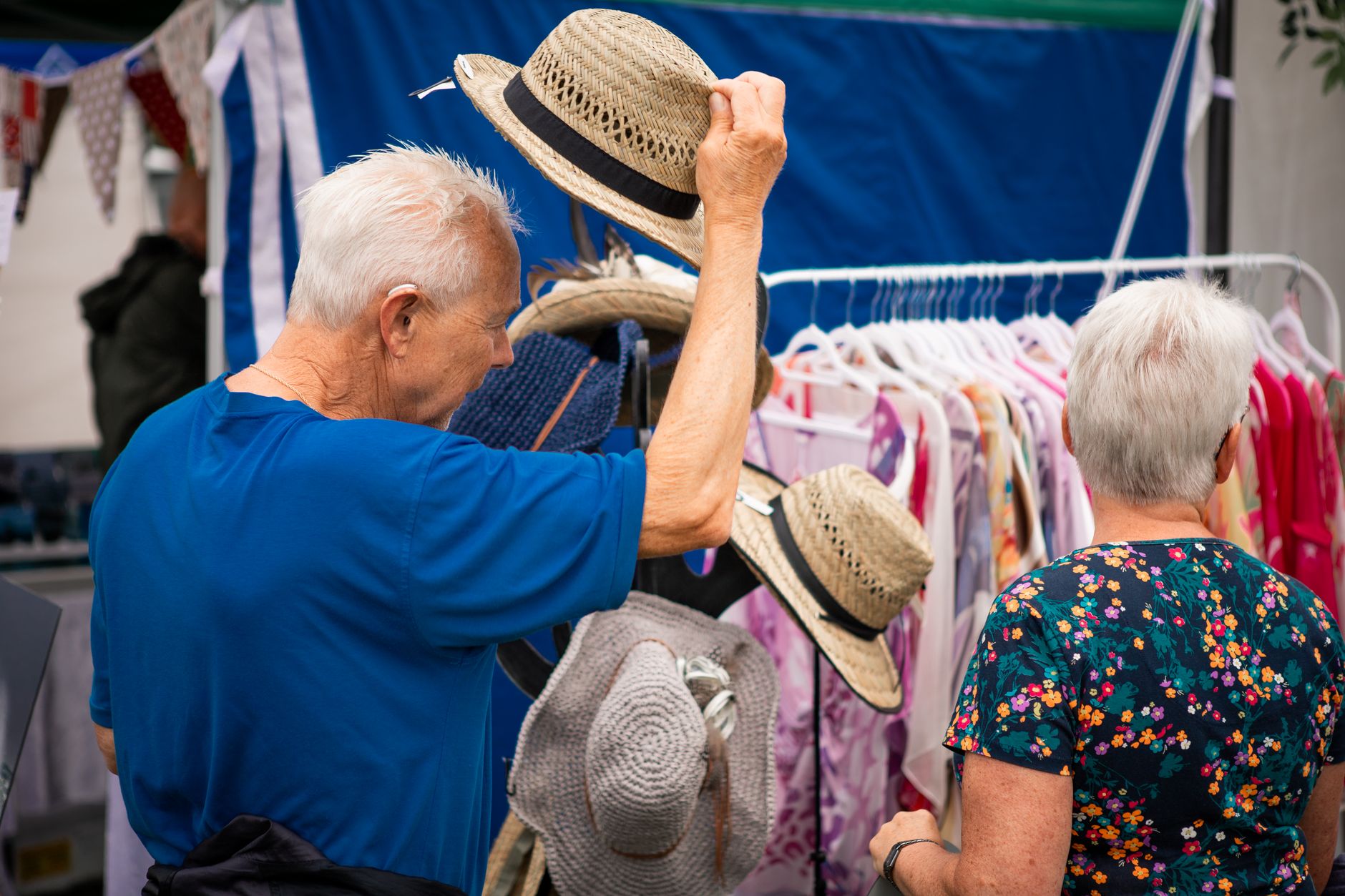
Charity shops have quietly upgraded too. Oxfam’s specialist vintage shops, the Cancer Research boutiques doing curation rather than bin-bag dumping, and the rise of pop-up preloved markets in old warehouses and car parks have all contributed to a new kind of thrifting that feels curated rather than desperate. The revival happening on the British high street is partly being powered by exactly this kind of independent, preloved retail taking up space that chains vacated.
What’s interesting is who’s buying. It’s not only younger shoppers hunting a bargain. There’s a meaningful slice of the market in their thirties and forties spending serious money on vintage pieces, a 1990s Ralph Lauren shirt, a deadstock pair of New Balance 990s, a Barbour wax jacket with genuine wear on it, precisely because those items hold quality that mass-production doesn’t replicate anymore.
Furniture: the real glow-up
Furniture is where the secondhand shopping UK trend has had its most visible cultural moment. For a while, mid-century modern everything dominated Instagram feeds, and people started realising the only way to get a genuinely solid teak sideboard or a proper Parker Knoll armchair was to go secondhand. IKEA flat-packs simply aren’t the same.
Facebook Marketplace has become the dominant force here in a way that surprises people who still think of it as a fringe operation. For large furniture, a dining table, a wardrobe, a corner sofa, it’s where deals get done, because the logistics of local collection make it far more practical than shipping. Preloved platforms like Vinterior have added a more curated layer, focusing on vintage and antique pieces for buyers who want quality assurance alongside the hunt. And if you live near any city with a decent antiques quarter (think Alfie’s in London, the Custard Factory in Birmingham, or the Cloth Market area of Newcastle), you’ll know those spaces are busier than they’ve been in years.
If you’re trying to pull off a genuinely considered home aesthetic on a realistic budget, the advice I’d give is to skip the high-street homeware shops entirely for statement pieces and go straight to Marketplace or a local auction house. It takes more patience, but the results are usually better. There’s something about living with quiet luxury home pieces that actually have history to them, they feel grounded in a way that brand-new never quite does.
Tech: refurbished goes respectable
Consumer electronics took longer to shake the stigma, partly because buying a secondhand phone or laptop felt riskier. You couldn’t always verify what you were getting. That’s changed substantially. Back Market has built a proper business out of certified refurbished tech, offering warranties and graded condition reports on everything from iPhones to MacBooks to gaming consoles. John Lewis started stocking some refurbished devices. Apple itself sells certified refurbished hardware through its own site.
The numbers make a compelling case. A refurbished iPhone 14 Pro runs roughly £300 to £400 less than a new model of equivalent spec. For buyers who don’t need the absolute latest features, that gap is hard to ignore. And with the right grade-A certification and a 12-month warranty behind it, the perceived risk effectively disappears.
Cars: the secondhand default has always been here
Buying a used car has always been the default for most British drivers, but the platforms and the process have transformed. AutoTrader, Cazoo, and the newer Cinch have professionalised what used to feel like a gamble into something closer to a structured retail experience, with video walkarounds, home delivery, and money-back windows. Private sellers listing on Facebook Marketplace have also taken a significant chunk of volume from the traditional forecourt.
The electric vehicle secondhand market is particularly interesting right now. Early-adopter EVs from three or four years ago are hitting the resale market with battery health still well within acceptable ranges, but at prices that make electric motoring genuinely accessible. That’s a significant shift from even two years ago when EV depreciation anxiety kept many buyers nervous about secondhand electric cars.
The communities making it stick
Beyond the platforms, there’s a social layer that rarely gets credit. WhatsApp groups dedicated to local preloved furniture. Reddit communities like r/frugalUK where people share resale finds and negotiating tips. The real-world communities forming around car boot sales, vintage fairs, and swap events in town halls and community centres up and down the country. Buying secondhand has become a shared activity, a conversation starter, something people bond over, not just a solitary transaction driven by necessity.
The other driver is values, plain and simple. The disposability of fast fashion and cheap furniture has become genuinely unfashionable in a way it wasn’t even five years ago. Buying preloved is better for the planet, and people know it. That knowledge has moved from the head to the gut, from something you’d say in a survey to something that actually shapes behaviour at the point of purchase.
The secondhand shopping UK trend isn’t fringe, it isn’t niche, and it isn’t temporary. It’s just shopping now. And honestly, I think that’s one of the more genuinely positive things British consumer culture has done in a long while.
Frequently Asked Questions
What are the best platforms for secondhand shopping in the UK?
It depends on what you’re buying. Vinted and Depop lead for fashion, Facebook Marketplace dominates furniture and homewares, and Back Market or Apple Certified Refurbished are solid for tech. For cars, AutoTrader, Cazoo, and Cinch all offer structured used vehicle buying with consumer protections.
Is buying secondhand tech in the UK safe?
Buying from reputable refurbished retailers like Back Market or through Apple’s official refurbished store comes with warranties and graded condition reports, which significantly reduces risk. Always check whether you’re getting a warranty of at least 12 months and confirm the device is unlocked and not reported stolen.
How big is the UK secondhand market?
Statista UK estimates the resale market was worth around £6.5 billion in 2025, spanning fashion, furniture, tech, and vehicles. The sector has grown consistently year on year as both cost-of-living pressures and environmental awareness push more consumers toward preloved goods.
Is secondhand furniture worth buying, and where should I look?
For solid, quality pieces, particularly vintage or mid-century furniture, secondhand is often better than buying new at an equivalent price point. Facebook Marketplace is the most active platform for local furniture deals, while Vinterior focuses on curated vintage and antique pieces with seller vetting.
Leave a Reply