There was a time when Sunday in Britain followed a script so familiar you could set your watch by it. Roast in the oven by noon, telly on by three, asleep on the sofa by five. Repeat until Monday arrived and you’d barely noticed the weekend happened. That rhythm still exists, and I’m not here to bury it. But something has quietly shifted, and the british sunday routine 2026 looks genuinely different from the version most of us inherited.
Younger Brits, particularly those in their twenties and early thirties, are rebuilding Sunday from scratch. Not as a rejection of rest, rest is back in fashion, more intentionally than ever, but as a restructuring of what the day actually means. The roast hasn’t disappeared. The long lie-in is non-negotiable. But between those anchors, something new is filling the hours.
The morning has become the main event
For a lot of people I know, Sunday now starts earlier than it used to. Not early-early, but the 9am-ish window that feels civilised without being lazy. And the first move isn’t the telly. It’s the market.
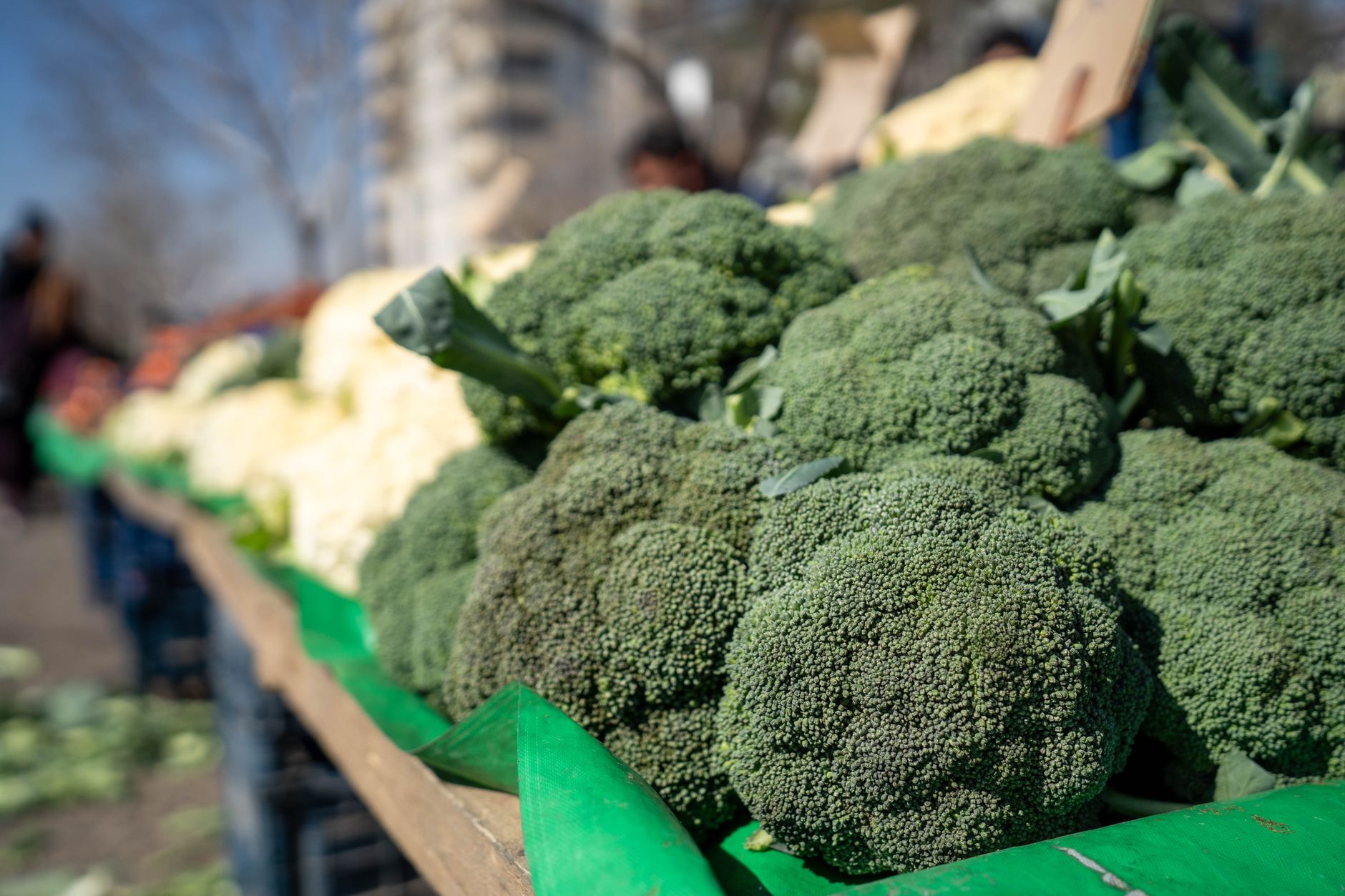
Farmers’ markets, independent food markets, Sunday car boot sales with a strong vintage section, they’ve become the social anchor that the pub used to be on a Saturday night. Borough Market in London still pulls serious crowds, but the same pattern is playing out in cities and market towns across the country. Manchester’s Mackie Mayor on a Sunday morning. The Tobacco Factory market in Bristol. Leeds Kirkgate on its Sunday session. These aren’t just places to buy sourdough. They’re where people go to feel part of something local and unhurried.
I’ve started doing this myself and the shift in how Sunday feels is real. You’ve seen people, had a conversation with the cheese vendor, carried something home in a paper bag. By 11am you’ve actually done something. That’s a different Sunday to the one where you surfaced at noon and immediately felt vaguely guilty.
The long walk as ritual
The British countryside walk has always existed, obviously. But it used to feel like something your parents did with a Thermos flask and an Ordnance Survey map. Now it’s being reclaimed as a genuinely cool way to spend a Sunday, and the numbers back it up. The Ramblers Association reported a significant increase in younger walkers joining organised groups and using their route-finding resources since the pandemic years, and that momentum hasn’t slowed.
What’s changed is the social layer around it. People are doing 10-mile walks with four friends and stopping for a pub lunch halfway. They’re finding routes that connect a market town to a viewpoint to a gastropub. The walk is the event, not just the thing you do before the event. It connects naturally to the broader shift away from consumption-heavy leisure, the same instinct driving people towards experiences with other people rather than things for themselves.
Meal prep, but make it intentional
Here’s the part that surprises people: Sunday meal prep has had a genuine glow-up. It used to be a joyless productivity hack, batch cooking bland chicken and rice in identical Tupperware containers. The 2026 version is something else entirely. It’s slower. It’s more deliberate. People are cooking one good thing properly, not twelve things efficiently.
A proper Sunday cooking session, a slow braise, a batch of something genuinely good for lunches, bread proved overnight and baked in the morning, has become a form of active rest rather than a chore. The distinction matters. You’re not optimising your week. You’re occupying your hands and your kitchen and your Sunday afternoon in a way that feels satisfying. It’s the same logic that’s pushed intentional ownership into the mainstream: do fewer things, but do them properly.
The roast itself fits neatly into this. A lot of younger Brits who’ve moved into their own flats are cooking a proper roast for the first time, often for two or three people rather than a whole family. It’s a skill they’re learning on purpose, not inheriting by osmosis. There’s something quietly lovely about that.
Intentional downtime is not the same as collapse
The distinction people keep making is between rest as something you choose versus rest as something that just happens to you. The old Sunday model leaned heavily on the latter. You didn’t decide to watch four hours of television; you just ended up there because there was nothing else to do.
The 2026 version has a bit more structure, even if that structure is loose. Reading a book you’ve actually chosen. A slow bath in the afternoon. Calling a friend without having a reason to. These aren’t productivity moves. They’re the kind of rest that actually recharges something, rather than leaving you feeling like you wasted the only good day of the week.
The four-day working week conversation has sharpened this too. As more British workers start to think seriously about the relationship between work and leisure, Sunday has become less of a buffer before Monday and more of a day worth protecting on its own terms. That reframe changes how you spend it.
What’s actually staying
The new british sunday routine 2026 isn’t an abandonment of the old one. The roast isn’t going anywhere. The pub lunch hasn’t died. Even the afternoon television has its place, particularly now that a single Sunday can hold an excellent long-form documentary or a back-to-back drama that rewards actual attention rather than background noise.
What’s changed is the attitude around it. Sunday used to be something that happened to you, a gap between weeks that you filled as best you could. Now it’s something people are actively designing, even if the design is just: market in the morning, long walk, cook something proper, read a book, watch something good. That’s not a rigid schedule. It’s just a day with a shape.
My own Sunday has probably never looked better. It’s not glamorous. But it’s mine. And I think that’s exactly the point.