There was a moment, maybe four or five years back, when kombucha felt almost transgressive. You’d spot a brown bottle of the stuff at a farmers’ market, the seller would say something about gut health, and you’d either nod enthusiastically or quietly back away. Now it’s stacked three-deep in every Sainsbury’s chiller. Kombucha won. But the fermented foods UK scene has moved on, and what’s happening next is genuinely more interesting.
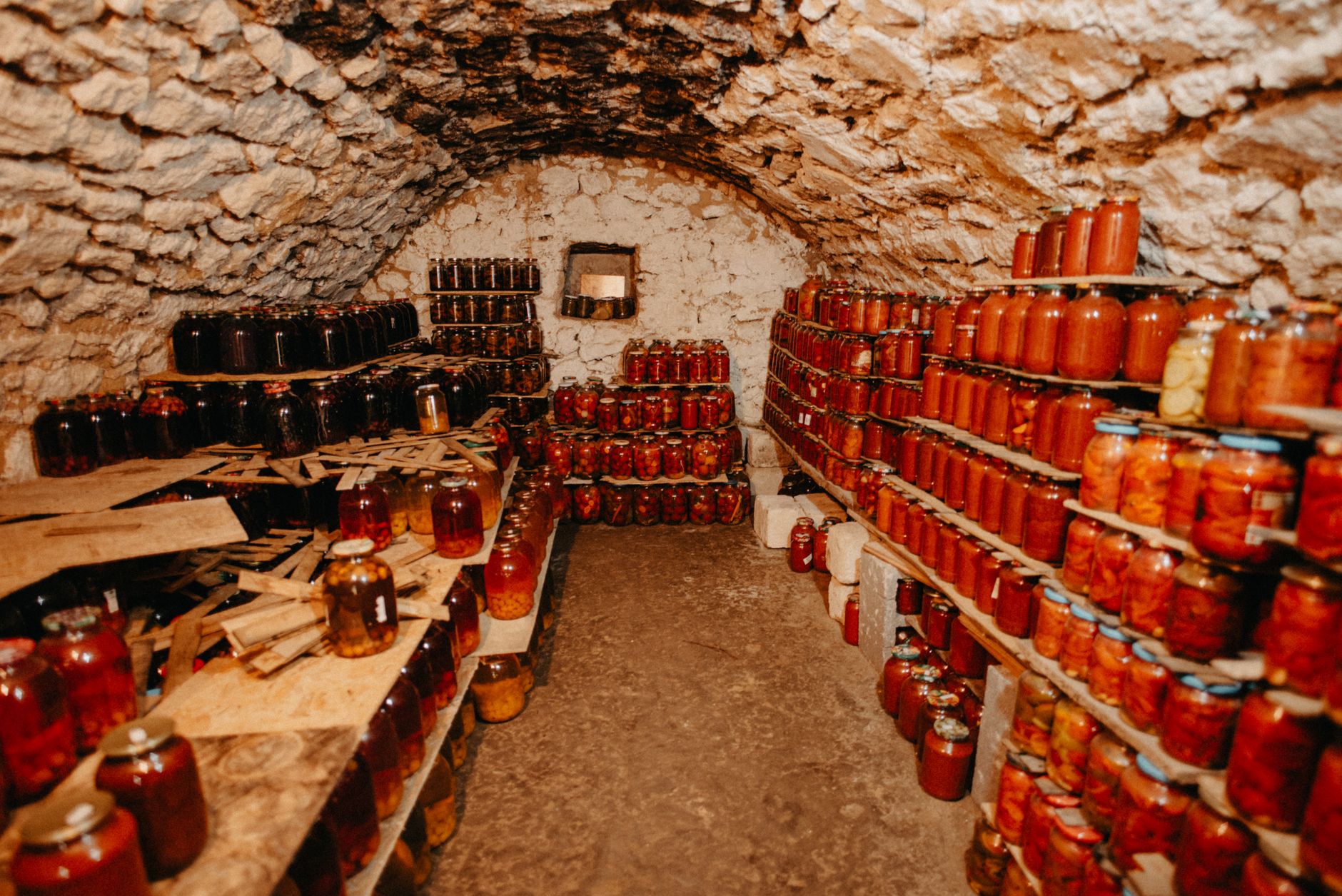
Kimchi, kefir, tepache, water kefir, lacto-fermented hot sauces, miso made in the Scottish Highlands. These aren’t niche health-food curiosities any more. They’re landing on restaurant menus, appearing in Ocado searches, and quietly filling a shelf in the kitchens of people who’d never describe themselves as wellness obsessives. The shift is real, and the producers driving it are a genuinely compelling bunch.
How did we get from kombucha to everything else?
Kombucha was the gateway, but its mainstream success exposed a ceiling. Once a product hits the big supermarkets, a particular kind of consumer moves on. They want the next thing, the weirder thing, the thing that hasn’t been flattened into a berry-flavoured soft drink for the meal-deal fridge. That consumer started asking questions: what else ferments? What else tastes good and does something useful?
Simultaneously, interest in gut health has gone from fringe to practically official. NHS guidance now acknowledges the role of diverse, fibre-rich and fermented foods in supporting digestive health, lending a layer of credibility that previously only lived in Instagram wellness accounts. That legitimacy matters. It gave people permission to spend £6 on a jar of kimchi without feeling like they’d been had.
Kimchi’s moment in the UK
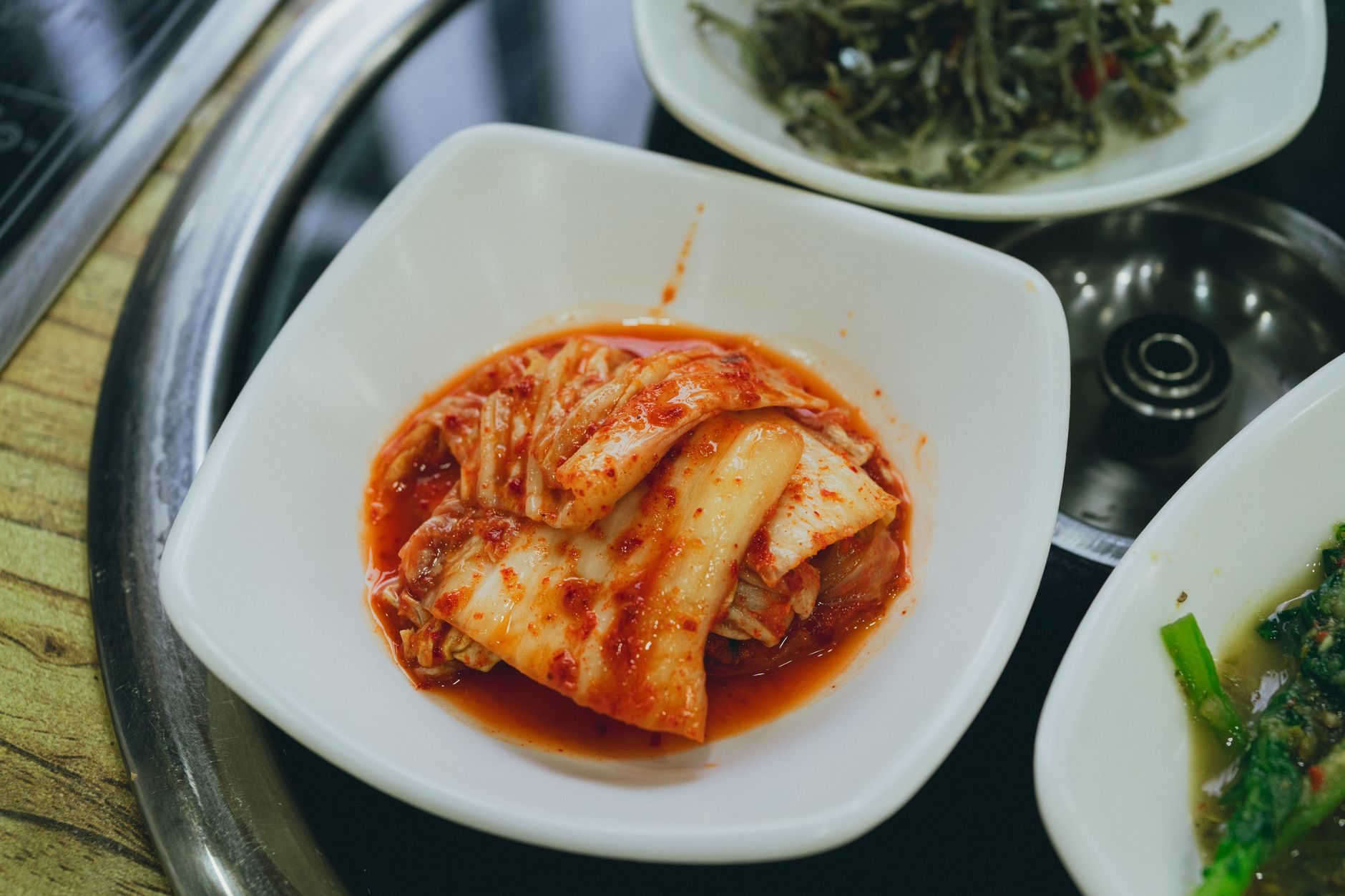
Kimchi is probably the biggest story. Korean food has been building cultural momentum in the UK for years, and the fermented cabbage at the heart of it has crossed over hard. What’s less obvious is how many British producers are now making their own versions rather than importing from Korea.
London-based Eaten Alive has been fermenting kimchi and hot sauces from a railway arch since 2019, but their distribution has expanded dramatically. Further north, small-batch makers in Manchester and Leeds are producing kimchi using locally grown cabbage with regional flavour tweaks. I’ve tried a few of these, and the range in heat, funk, and texture is wider than you’d get from a single Korean import brand. British kimchi isn’t a knock-off. It’s a different product.
Kefir, tepache, and the drinks pushing past kombucha
Kefir was already gaining ground in the yoghurt aisle, but water kefir is the one that feels genuinely current. It’s lighter than dairy kefir, naturally fizzy, lower in sugar than kombucha, and takes on flavour beautifully. Producers like Rhythm Health and Bio-tiful Dairy have pushed kefir into mainstream awareness, but the water kefir space is where small producers are doing their most experimental work.
Tepache is newer to British shelves. A traditional Mexican fermented drink made from pineapple rind, brown sugar, and spices, it’s low-alcohol, slightly sour, and genuinely delicious in a way that surprises people. A handful of UK producers started making it a couple of years ago as a craft curiosity. I’d place decent money on it being in a major supermarket’s chiller section within eighteen months.
The pattern is consistent: a fermented drink or food arrives on the radar, small producers experiment with British twists and local ingredients, and then the mainstream catches up. This connects to something broader about how independent British brands are finding space to compete by leading on quality and story rather than scale.
British-made miso and the slow ferment movement
If you want a sense of where the category’s most serious enthusiasts are heading, look at British miso. South WestGarlic Farm on the Isle of Wight and The Crafty Pickle in Somerset are among a small group making miso from British-grown barley, chickpeas, and occasionally foraged ingredients. These are long-ferment products. Some jars represent six months or more of patient microbial work. You don’t flog that at a meal-deal price point, and nobody’s trying to.
This slow, deliberate approach to food production sits well alongside the broader cultural moves happening in Britain right now. The quieter, more intentional way many Brits are thinking about what they consume maps directly onto an interest in food that has provenance, process, and meaning. A jar of six-month miso from a Somerset producer isn’t just a condiment. It’s a small vote for a different kind of food system.
Where small producers are selling
The route to market has changed completely. Five years ago, a small ferment producer was essentially limited to farmers’ markets and zero-waste shops. Now they can sell direct via their own website, list on platforms like Farmdrop’s successors or Hodmedod’s, and reach wholesale buyers via Faire. Social media matters hugely here too. A single viral reel showing the process of a live lacto-ferment can shift a week’s stock in an afternoon.
Running a small food business in 2026 still involves a fair amount of admin that has nothing to do with the actual fermentation. Food hygiene certification, allergen labelling, Companies House filings. I spoke to one producer who mentioned they’d switched their entire business admin to cloud-based tools after a recommendation from dijitul Support, which freed up time they’d been spending chasing spreadsheets. The unglamorous back-end stuff matters when you’re a two-person operation making miso in a converted garage.
What’s actually driving the appetite
The gut health angle is real but it’s not the whole story. People are bored of safe flavours. After years of the same sriracha-everything cycle, sour, funky, complex fermented flavours feel like a genuine contrast. Kimchi on a cheese toastie. Kefir in a salad dressing. Tepache as a mixer. These aren’t health rituals. They’re just good food choices that happen to also be good for you.
There’s also a craft element that appeals to the same instinct driving interest in specialty coffee, natural wine, and hands-on food experiences like foraging and craft evenings. People want to understand what they’re eating. Fermentation is legible. You can see it, smell it, and eventually learn to do it yourself. Home fermenters are becoming a real feeder community for small producers, someone who starts making their own sauerkraut often ends up buying from a local producer who’s doing something they can’t yet replicate at home.
The producers worth watching
Beyond the names already mentioned, keep an eye on Willy’s Apple Cider Vinegar (Herefordshire), which has expanded into a full range of live fermented foods. Hurns Fermented Drinks in South Wales is doing interesting things with foraged botanicals. And Fife-based Mara Seaweed has started incorporating seaweed into fermented products that lean into genuinely Scottish flavour profiles.
The common thread: these aren’t brands trying to be the British version of something from elsewhere. They’re making products that are specifically of this place, using British ingredients with British growing seasons factored in. That specificity is exactly what makes them hard to replicate at scale, and exactly why they’re finding an audience that’s willing to pay for something real.
Frequently Asked Questions
What are the most popular fermented foods in the UK right now?
Kombucha is the most mainstream, but kimchi, kefir (both dairy and water), miso, and tepache are all growing fast. British-made versions of these products are increasingly available via independent producers and online retailers.
Are fermented foods actually good for gut health?
NHS guidance acknowledges the role of fermented and fibre-rich foods in supporting digestive health, and a 2021 Stanford study published in Cell found that a high-fermented-food diet increased microbiome diversity. The evidence is promising, though gut health research is still developing.
Where can I buy British-made fermented foods online?
Many small UK producers sell direct via their own websites or through platforms like Hodmedod’s and Ethical Superstore. Brands like Eaten Alive, Willy’s, and Bio-tiful Dairy are also stocked in larger supermarkets and health food shops.
What is tepache and how does it taste?
Tepache is a fermented drink made from pineapple rind, brown sugar, and spices. It’s lightly fizzy, slightly sour, and mildly sweet with warm spice notes. It’s low in alcohol and works well as a soft drink or mixer.
How is British-made kimchi different from Korean kimchi?
British producers often use locally grown cabbage and adapt the seasoning to reflect available ingredients, which can make the result milder or differently spiced than a traditional Korean version. It’s a distinct product rather than a direct copy, and quality among small UK producers is genuinely high.