

Something has shifted. Walk through any decent market, scroll through any genuinely cool corner of the internet, and you’ll notice the same thing: the brands people are actually excited about right now aren’t Unilever sub-brands or multinationals with a British flag slapped on their packaging. They’re small, often founder-led operations that grew out of a kitchen, a spare bedroom, or a genuine gap in what was available on the high street. Independent British brands in 2026 aren’t just surviving alongside the global giants. In a lot of categories, they’re quietly outrunning them.
I’ve been watching this happen across beauty, food, and homeware for a while, and the momentum is real. According to data from the British Independent Retailers Association, independent businesses now account for a growing share of consumer spend in categories that were previously dominated by big-box players. The reasons aren’t mysterious. They’re quite straightforward once you look at how these brands actually operate.
Why craft and locality are doing the heavy lifting
The word “craft” gets thrown around so much it almost lost its meaning. Almost. Because the brands actually doing it properly are making it mean something again. Take Botanic Lab, the London-based functional drinks company that builds every product around a specific botanical ingredient and doesn’t apologise for charging accordingly. Or consider Wylde Moon, Glossier UK’s biggest competitor people don’t realise is British. These aren’t brands that stumbled into craft as a marketing angle. They built their supply chains, their sourcing, and their formulations around it from day one.
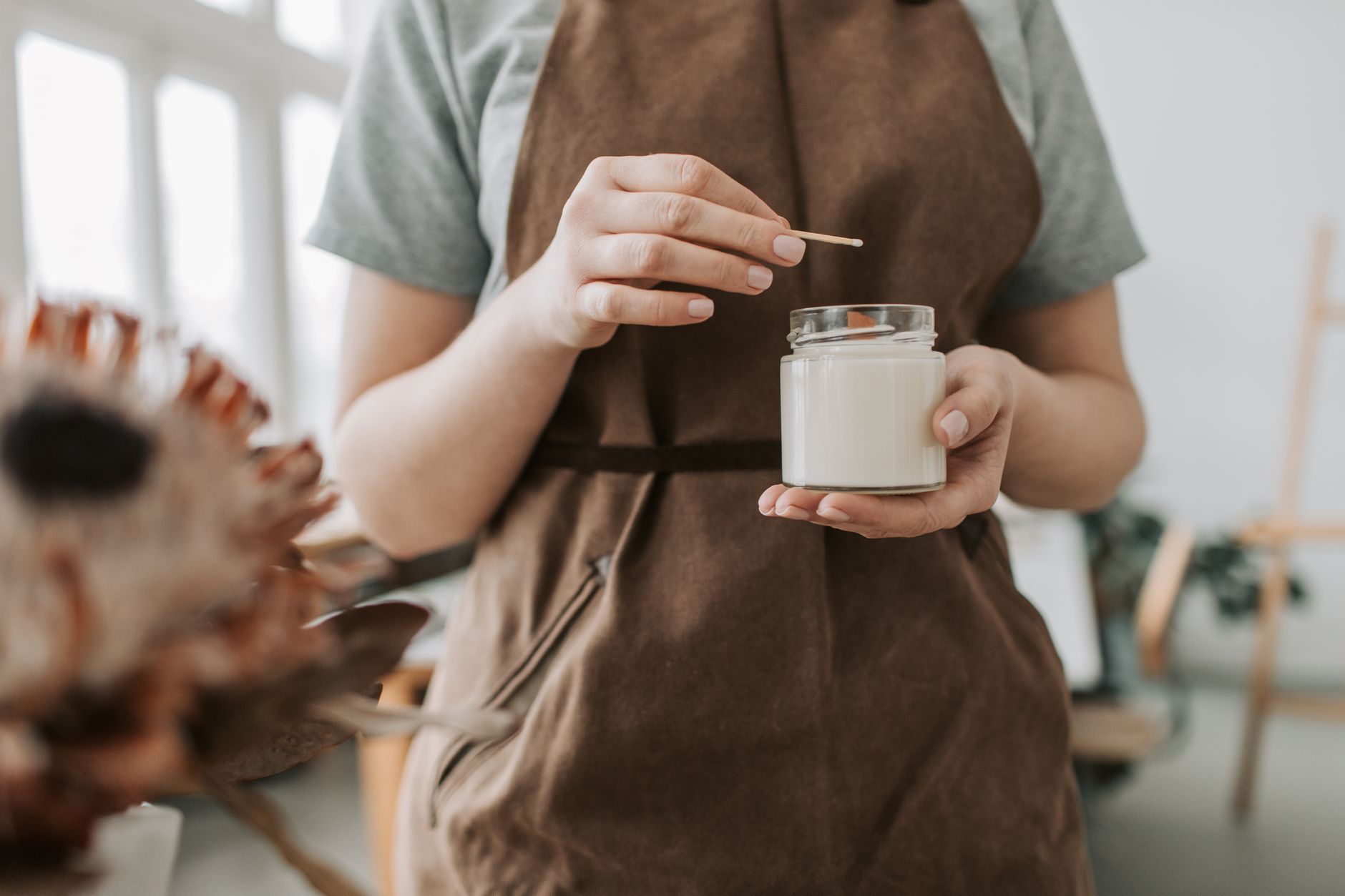
Locality matters even more. A candle brand based in the Cairngorms that sources its wax from a supplier two counties over and hand-pours in small batches has a story that Yankee Candle simply cannot replicate, regardless of budget. Consumers have clocked this. A ONS retail industry survey from early 2026 showed that “knowing where a product comes from” ranked higher than “brand recognition” among UK shoppers under 40 when making purchasing decisions in food and homeware. That’s a genuine reversal from five years ago, and the small brands positioned to capitalise on it got there not by pivoting, but by being that way from the start.
The direct-to-consumer edge nobody talks about enough
Here’s what the big players genuinely can’t easily copy: the relationship. When a customer buys from Pip & Nut, or picks up a jar of MOTH Cocktails, or orders from a small ceramics studio in Bristol, they’re often in a direct conversation with the brand. Email newsletters that sound like a person wrote them. Instagram stories showing actual production processes, not polished ad shoots. The odd founder reply in the comments that clearly wasn’t drafted by a social media agency.
This kind of direct-to-consumer storytelling is creating loyalty that traditional advertising can’t buy. I’d argue it’s the single biggest structural advantage independent British brands have right now. A global FMCG company has layers of management, compliance reviews, and regional sign-offs before anything goes live. A founder-run brand in Sheffield making artisan hot sauce can post a genuine update about why a batch took longer than expected and get a hundred replies from customers who think that’s brilliant. The asymmetry is huge.
Specific brands doing it properly in 2026
In beauty, Haeckels from Margate continues to be a genuine case study. They built an entire brand identity around the Kent coastline, use seaweed harvested locally, and have turned a seaside town into a mood board. Their refill scheme and zero-waste packaging came first; the aesthetics followed naturally. That’s the order it should happen. Compared to a legacy beauty brand attempting a sustainability pivot, the authenticity gap is enormous.
In food, Hodmedod’s deserves more attention than it gets. A Suffolk-based company that sources and sells British-grown pulses, grains, and flours, they’ve spent years arguing that Britain can grow its own protein crops rather than importing them. They’re not trendy in a flashy way. They’re right in a lasting way, and the grocery buyers at Waitrose and Ocado have noticed.
In homeware, the story is similar. Maker&Son, a furniture brand built around natural materials and slow production, operates on a model that would make a traditional retail analyst nervous. Long lead times, high prices, no wholesale. But their wait lists tell a different story. When the product is good enough and the story is honest enough, consumers will wait. That’s a level of brand trust most multinationals would spend millions trying to manufacture.
This connects to a broader cultural shift. The same appetite driving British renters to invest seriously in the spaces they live in is driving a new willingness to spend more on fewer, better things. And the same values pushing people toward a different relationship with shopping altogether are making provenance and craft genuinely commercially valuable, not just aspirationally nice.
What the global brands keep getting wrong
Big companies tend to respond to independent brand success in one of two ways. They either acquire the brand and slowly dilute what made it interesting, or they launch an internal “craft” sub-brand that feels exactly as hollow as it sounds. Neither works, because the thing they’re actually trying to buy or replicate is trust, and trust is built slowly over time by doing what you say you’re going to do.
The other mistake is assuming that price is the main battlefield. It isn’t, at least not for the customers these independent brands are winning. The consumer paying £18 for a jar of Beekeeper’s Naturals honey or £45 for a Haeckels serum isn’t comparing it to the supermarket own-brand equivalent. They’ve already opted out of that comparison. Getting them back onto a purely price-driven decision tree is almost impossible once the brand relationship is established.
The outlook for small British brands
The structural conditions are good. Platform costs for direct-to-consumer businesses have stabilised. UK consumers are more literate than ever about ingredient lists, supply chains, and greenwashing. And the cultural appetite for local, honest, and specific is not going away. If anything, the pushback against algorithm-flattened, globally-homogenised everything is intensifying. People want things that feel like somewhere and someone made them.
The challenge for these brands is scaling without losing the thing that made them worth following. Not every independent British brand will manage it. Some will grow into exactly the kind of corporate product they started out reacting against. But the ones that get it right, that figure out how to grow the business without hollowing out the story, are building something the global players genuinely cannot replicate. And that’s a different kind of winning.
If the broader cultural conversation interests you, the shift I’m tracking in UK dupe culture is actually the flip side of this story. It’s worth reading alongside it.
Leave a Reply