For years, the story went like this: high streets were dying, big retail was killing everything, and town centres were turning into ghost towns full of empty shopfronts and charity shops selling paperbacks. I grew up hearing this. Most of us did. And honestly, for a long stretch there, the doom-mongers had a point.
But something shifted. And the uk high street revival 2026 looks nothing like what the think-tanks were predicting back in the early 2020s. No anchor department stores riding to the rescue. No government scheme that fixed everything overnight. What actually happened is stranger, messier, and genuinely more interesting than any of that.
The decline narrative that stopped being accurate
The Office for National Statistics has tracked retail vacancy rates for years, and the picture that emerged through 2024 and into 2025 was surprisingly mixed. While major chains kept downsizing, the category of independent and micro-business retail started moving in the other direction. Not dramatically. Not in every town. But enough to make the blanket “high streets are finished” line feel lazy.
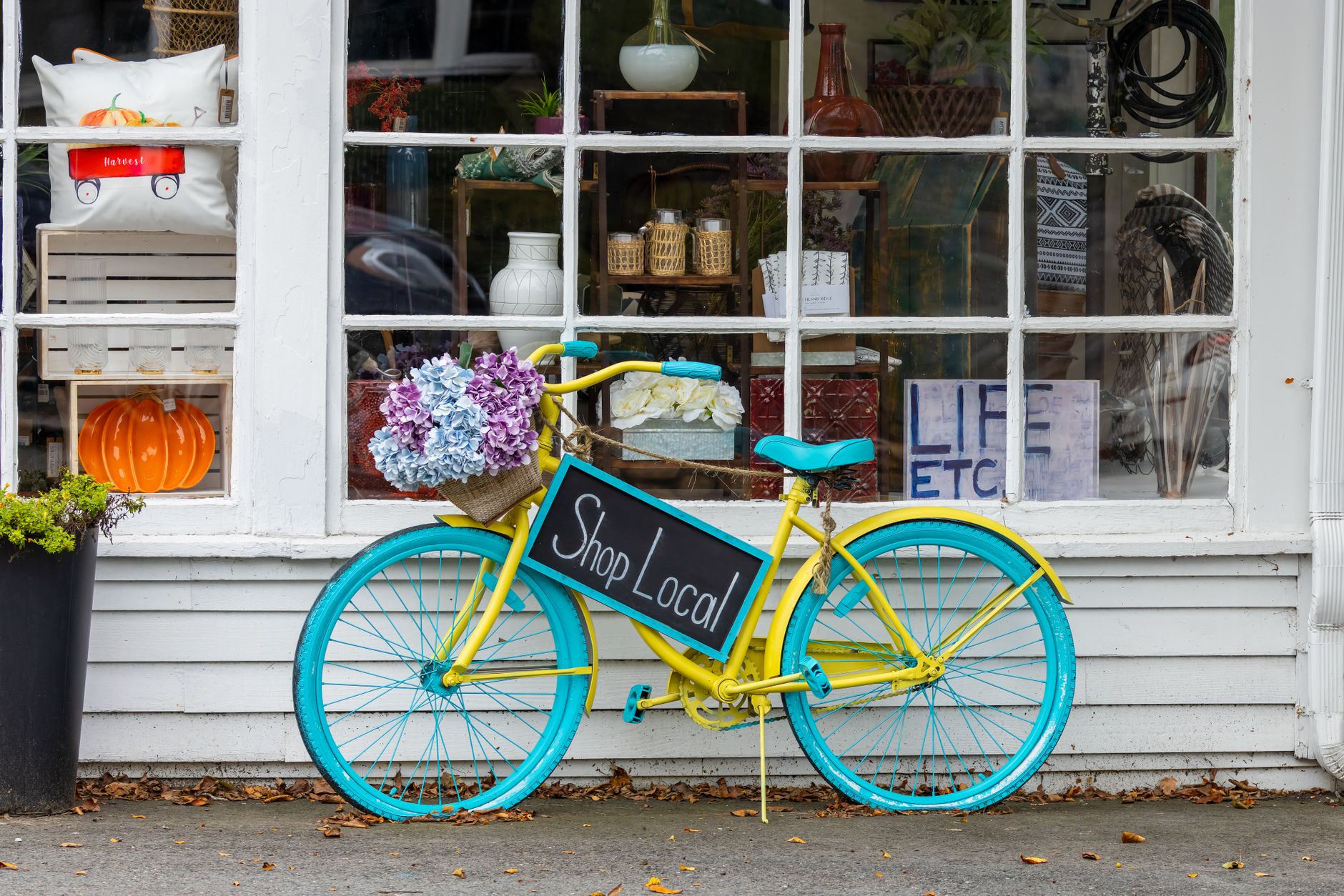
Walk through Margate, Hastings, Stroud, or Hebden Bridge right now and you’ll see it: record shops, ceramics studios, vintage dealers, speciality coffee spots, zero-waste grocers. Places that did not exist five years ago. Landlords who spent a decade waiting for another Topshop to materialise finally started offering shorter leases and lower rents to get anyone through the door, and a generation of small business owners took the opening.
The irony is that the death of big retail created the conditions for something more interesting to grow.
Pop-up culture became permanent culture
Pop-up shops used to feel like a gimmick. A brand would take over an empty unit for three weeks, build a lot of Instagram-friendly installations, then vanish. Fun, but ultimately disposable.
What I’ve noticed more recently is that the pop-up has matured into something more substantial. Markets and rotating residencies have become genuine anchors in some town centres. Boxpark opened in Croydon years ago and the model has since inspired dozens of container-unit and kiosk-based concepts across the country. Meanwhile, councils from Bristol to Leeds have backed market halls that give independent food and retail traders a foothold without the terrifying commitment of a full commercial lease.
For younger people especially, popping to a market hall on a Saturday has replaced the department store Saturday of previous generations. The experience matters more than the transaction. You’re not just buying a candle; you’re talking to the person who made it.
Community-led spaces are doing the heavy lifting
Some of the most significant changes on British high streets have nothing to do with retail at all. Community ownership schemes, funded partly through the Community Ownership Fund, have let local groups buy up pubs, libraries, post offices, and town-centre buildings that were at risk of closure or conversion. These spaces become hubs: part venue, part co-working space, part social glue.
In Frome, Somerset, the model of community-oriented independent business has been running long enough that it’s basically become the town’s identity. In Todmorden, the intersection of community food growing and independent retail has turned a fairly overlooked market town into somewhere people actively seek out. These aren’t anomalies; they’re templates that other places are watching closely.
The narrative of terminal decline assumed that retail was the only reason to go into a town centre. Strip it out, and there’s nothing left. That assumption turned out to be wrong. People will go where there’s life, purpose, and something to actually do.
How this connects to wider shifts in how we live
The post-pandemic reality of more people working from home, at least part of the week, changed the geography of how Britain spends its time and money. Commuter towns and smaller urban centres absorbed footfall that used to flow exclusively into city centres. Local high streets that had felt redundant suddenly had potential customers walking past them at 11am on a Tuesday.
Independent cafés and local food shops were often the first to benefit. Then came the broader wave of people wanting their immediate neighbourhood to feel like somewhere, to have character, to reward a short walk. There’s a real aesthetic dimension to this too: the same generation obsessing over considered home interiors (the kind of slow, intentional approach covered brilliantly by pieces on quiet luxury home décor) is also the generation choosing the independent bookshop over Amazon and the local deli over a supermarket meal deal.
Values and aesthetics are travelling together. That’s not a coincidence.
What this revival actually looks like on the ground
I want to be honest: this isn’t a uniform story. Plenty of high streets are still struggling badly. The gap between a place that has caught the wave and one that hasn’t is often uncomfortably stark. Blackpool, Grimsby, and parts of the West Midlands face structural challenges that a few artisan coffee shops cannot fix on their own. The UK high street revival is real, but it is uneven.
The towns and areas seeing genuine momentum tend to share a few things. Relatively affordable rents that let independent businesses survive their first two years. A local population with some disposable income and an appetite for something different. And crucially, councils and landlords who stopped waiting for the old retail model to come back and started actually working with the new one.
Local Business Improvement Districts, which pool resources from businesses in a defined area to fund shared improvements, have also played a quiet but significant role. They’re not glamorous, but the evidence suggests they help retain businesses in areas where they’d otherwise drift away.
The vibe has changed and the stats are starting to agree
My read on this is straightforward: the UK high street revival in 2026 is happening because the culture changed, and the economics eventually followed. Young British consumers are genuinely more interested in provenance, locality, and personality than the generation before them. They’d rather spend £18 on a candle from the ceramicist two streets over than £12 on the same candle from a chain.
That shift in consumer values, combined with the accidental opportunity created by falling rents and shorter leases, created a window. The independent businesses, community spaces, and pop-up operators who climbed through that window are now the most interesting thing happening in British retail. The old story about high streets ending never really accounted for the possibility that they might just become something different. And different, as it turns out, works.