The energy price cap has been up, down, and sideways enough times now that most of us have stopped trying to predict it and started trying to work around it. As of April 2026, Ofgem’s price cap still sets the unit rate and standing charge that most households pay, but what actually lands on your bill depends heavily on how much you use. That’s where you have real control. I’ve spent a fair bit of time this winter testing what genuinely moves the needle, and some of the answers surprised me.

What the Ofgem price cap actually means for your bill
A lot of people think the cap is a limit on their total bill. It isn’t. It caps the unit rate per kilowatt-hour and the daily standing charge. So if you’re running energy-hungry appliances without a second thought, your bill can still be eye-wateringly high. The cap just means your supplier can’t charge more than the set rate per unit. Use fewer units, pay less. Simple in theory, obviously harder in practice when it’s January and you work from home.
Checking your actual unit rate against the Ofgem cap is step one. Log into your account or call your supplier. If you’re on a fixed tariff that was set before recent cap changes, you might already be paying less than the cap rate, which means switching right now could actually cost you more. Worth checking before you do anything else.
Smart meters: worth the hype or just a fancy gadget?
I was sceptical about smart meters for a long time. Turns out the meter itself doesn’t save you money, but the in-home display absolutely can. Seeing your energy usage in real time changes behaviour in a way that reading an annual statement simply doesn’t. I noticed I was spending around £1.20 every time I left the tumble dryer running for an hour. Shifted most of the laundry to the off-peak window (typically 11pm to 7am on Economy 7 or Agile tariffs) and the monthly difference was noticeable within six weeks.
If you haven’t already got one, you can request a smart meter from your supplier at no cost. The rollout has been slower than the government wanted, but most suppliers now install them within a few weeks of a request. Once it’s in, pair it with an app like Loop or OVO’s energy tracker to see hourly breakdowns and actually understand where your money is going.
Draught-proofing: the cheapest return on investment in your house
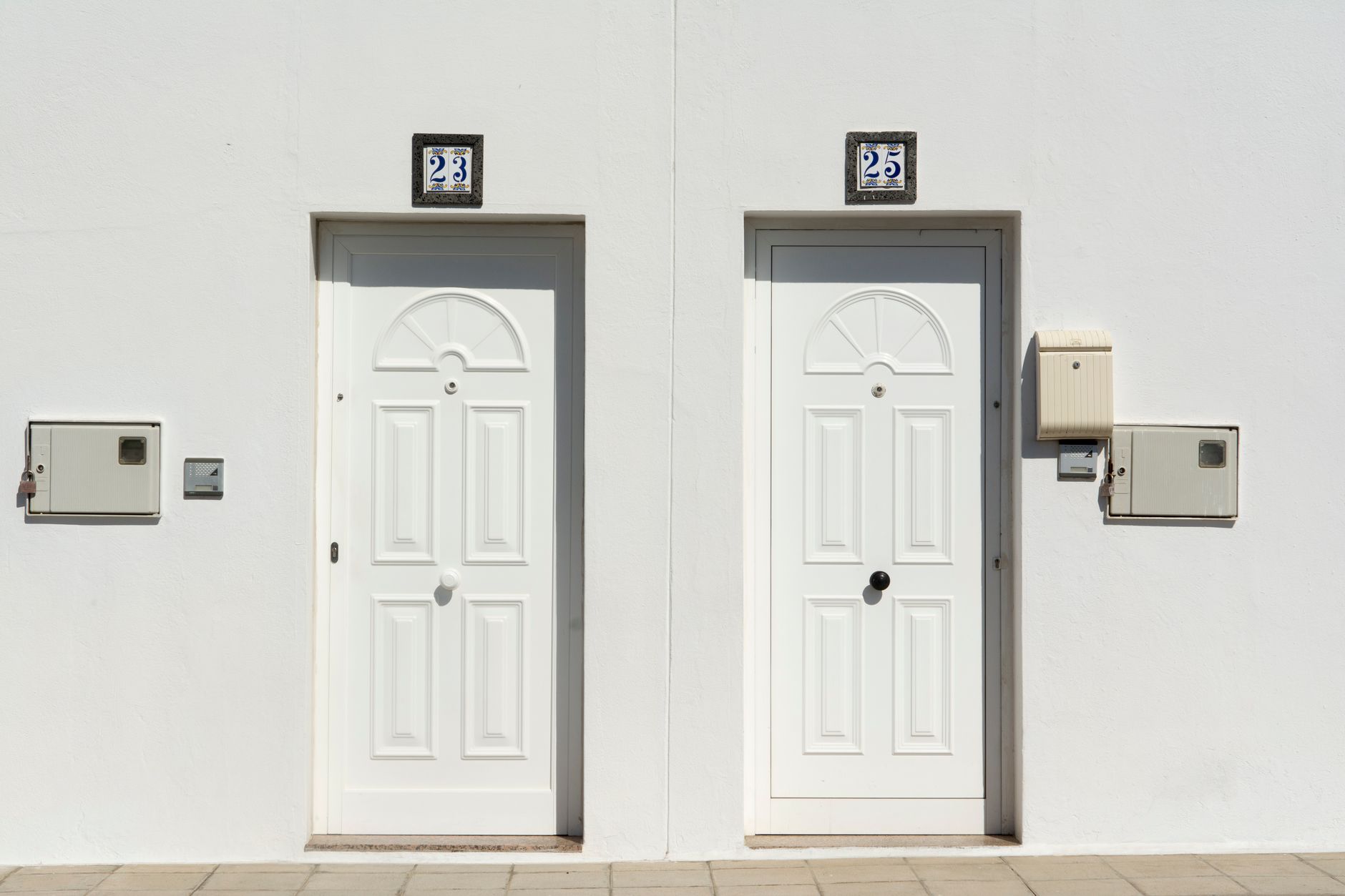
Nobody talks about draught-proofing like it’s cool, but the Energy Saving Trust estimates it can save the average household between £45 and £60 a year, and the materials cost under £30 if you do it yourself. That’s a better return than most things you’d do to a house this side of a full loft insulation job.
The spots people miss most often are the letterbox (a brush draught excluder costs about £8), the gap between floorboards in older terraced houses (clear sealant or specialist filler works well), and around skirting boards where the walls meet older plasterwork. Chimney balloon draught excluders are also genuinely brilliant if you have a fireplace you never use. Shove one up the flue and you eliminate a cold column of air sitting in the middle of your living room.
For renters, almost all of this is fair game without asking your landlord because you’re not making structural changes. A draught excluder along the bottom of a poorly-fitted front door is the single best £10 I’ve spent on a flat.
Energy switching strategies that actually work in 2026
The switching landscape looks different to how it did before the energy crisis. The chaotic market of 2021-2022, when dozens of suppliers collapsed, has settled. There are still around 30 active suppliers, but you need to be smarter about how you compare them.
Use a service accredited by Ofgem’s Confidence Code, like Uswitch or MoneySuperMarket, but don’t just sort by cheapest headline rate. Check the standing charge separately, because some of the lowest unit rates come with standing charges of 65p or more per day, which wipes out the saving if your usage is moderate. If you live alone or in a smaller flat, a slightly higher unit rate with a low standing charge can actually be cheaper overall.
Fixed tariffs are worth looking at again now that the market has calmed down. Locking in slightly above the current cap rate sounds counterintuitive, but if you expect the cap to rise (it typically goes up in winter), a fixed deal gives you predictability and the ability to budget. I’ve seen fixed one-year deals sitting within 5% of the current cap rate, which feels like a reasonable hedge.
Small habits that compound over time
Behavioural changes sound boring until you see them on a bill. Washing clothes at 30°C instead of 40°C uses roughly 40% less energy and makes essentially no difference to how clean things come out. Filling the dishwasher fully before running it rather than doing half-loads cuts your dishwasher’s annual energy cost almost in half. Turning the thermostat down by just 1°C can reduce your heating bill by around 10% according to the Energy Saving Trust.
A lot of this connects to a broader shift in how British households are thinking about spending right now. The move towards more conscious consumption, which I’ve written about in the context of how the UK has embraced preloved as the default way to shop, is showing up in home management too. People are paying attention to what things actually cost to run, not just to buy.
Looking at the outdoor side of your property matters as well. Keeping your external space tidy and well-maintained, from insulating outdoor pipes before a cold snap to making sure your boiler flue is unobstructed, is part of the picture. Services like thebinboss.co.uk are part of the broader domestic maintenance mindset that keeps a home running efficiently, which is exactly the right headspace to be in when you’re trying to reduce waste across the board.
Boiler settings most people have never touched
This one is genuinely underrated. Most combi boilers come from the factory with the flow temperature set between 70°C and 80°C. For the vast majority of homes with modern radiators, dropping this to 55°C or 60°C (known as weather compensation or flow temperature adjustment) allows the boiler to run in a more efficient condensing mode. The result is a meaningful reduction in gas use, often cited at around 6-8%, without any reduction in how warm your home gets. You just need to give the heating a slightly longer run time at the lower output. Heatgeek and the Heating Hub have excellent guides on exactly how to do this for your specific boiler model.
If you’re thinking about spending on home improvements more broadly, this kind of quiet, unglamorous optimisation is the energy equivalent of the quiet luxury approach to home décor: doing things properly rather than flashily, and getting a better outcome for it.
Grants and schemes you might be missing
The Warm Home Discount scheme gives eligible households £150 off their electricity bill each year. The eligibility criteria changed recently, so even if you were told you didn’t qualify before, it’s worth checking again on gov.uk. The Great British Insulation Scheme also provides funded loft and cavity wall insulation for properties in lower Council Tax bands and lower-income households. Both are worth five minutes of your time to investigate before you spend anything on draught-proofing materials out of your own pocket.
Energy bills aren’t going to shrink themselves. But between the smart meter habits, the draught-proofing, the boiler tweaks, and a bit of strategic switching, there’s genuinely a few hundred pounds a year available to most households that’s just sitting there unclaimed. That’s worth a weekend afternoon, at least.
Frequently Asked Questions
What is the Ofgem energy price cap and how does it affect my bill?
The Ofgem price cap limits the maximum unit rate per kilowatt-hour and daily standing charge that energy suppliers can charge. It doesn’t cap your total bill, so the more energy you use, the higher your bill will be regardless of the cap. Reducing your consumption is the most direct way to cut costs.
Does getting a smart meter actually help you save money on energy bills?
The meter itself doesn’t reduce usage, but the in-home display and associated apps can make a real difference by showing you exactly when and how you’re using energy. Most people who engage with the data regularly do reduce their bills, especially if they shift high-consumption tasks like laundry to off-peak hours.
Is it worth switching energy supplier in 2026?
It depends on what you’re currently paying. If you’re on a standard variable tariff at the price cap rate, there may be fixed deals available that offer certainty, especially heading into winter. Always compare both the unit rate and the daily standing charge, as a cheap unit rate with a high standing charge can end up more expensive for lower-usage households.
How much can draught-proofing actually save on heating bills?
The Energy Saving Trust estimates draught-proofing can save the average home between £45 and £60 per year, with DIY materials costing under £30. Key spots to tackle include letterboxes, under doors, around skirting boards, and unused chimneys, which can all allow significant heat loss.
What grants are available to help with energy costs in the UK?
The Warm Home Discount gives eligible households £150 off their electricity bill annually, and the Great British Insulation Scheme funds loft and cavity wall insulation for qualifying properties. Both are administered through gov.uk and eligibility has changed recently, so it’s worth checking even if you were turned down before.