Something shifted quietly in the last couple of years. People stopped buying themselves another thing they didn’t really need, and started paying to sit at a table with strangers instead. Supper clubs are fully booked weeks in advance. Group foraging walks sell out before the Instagram post even goes live. Shared craft evenings, candlemaking, lino printing, natural dyeing, have turned from niche hobby to genuinely sought-after Friday night plan. The communal experiences UK trend isn’t a blip. It’s a reorientation, and I think most people are only just starting to put words to what’s pulling them there.
What’s actually driving people toward shared experiences?
Two things are colliding. First, there’s the friendship crisis that nobody really wants to say out loud, the creeping recognition, particularly among people in their late twenties through to their forties, that adult life doesn’t automatically hand you a community. You leave uni, you move cities for work, you break up with someone whose friends were also your friends, and suddenly your social circle is thinner than you’d like to admit. Organised communal experiences offer a structure that most adults have quietly been missing since school.
Second, retail therapy stopped working for a lot of people. Not morally, people aren’t suddenly becoming minimalists out of principle. It just stopped delivering the lift it used to. A new pair of trainers or a third coffee table book no longer generates the same satisfaction. Experiences with other people, by contrast, tend to stick. Research covered by BBC Future has for years pointed toward experiences over objects as a more reliable source of lasting satisfaction, but what’s new is that Brits are now specifically seeking out experiences that are communal, not solo.
Supper clubs: where it gets interesting
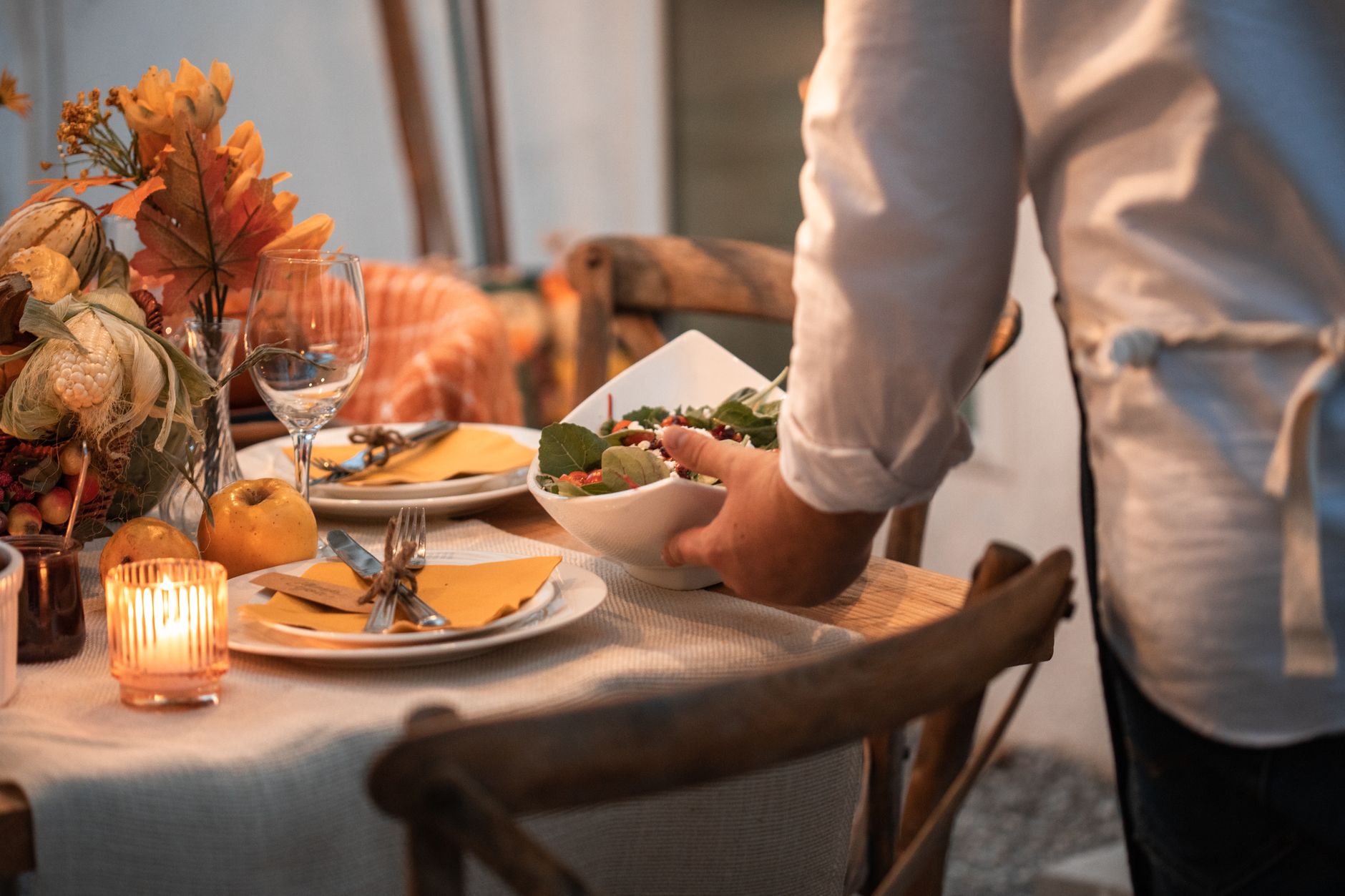
Supper clubs are arguably the cleanest example of the trend. They’ve existed in various forms for decades, but what’s changed is who’s going and why. It used to be a food-enthusiast thing. Now it’s a social-structure thing. You buy a ticket, you’re assigned a seat next to people you’ve never met, and the format does the work of facilitating conversation. No awkward “so, what shall we do tonight?” Just a shared table, a set menu, and the implicit permission to actually talk to the person next to you.
London has dozens of these running any given weekend, Blanch & Shock, Kricket’s supper club nights, pop-ups from chefs between restaurant projects, but it’s not a London-only story. Manchester, Bristol, Edinburgh, and Leeds all have active supper club scenes now. A few operators are touring, taking the format to village halls and converted warehouses outside the obvious cities. Tickets typically run between £40 and £90 per head, which sounds steep until you compare it to a restaurant meal with no social payoff.
Foraging walks and the search for something to talk about
Group foraging walks occupy a different emotional register. They’re outdoors, physical, and rooted in genuine skill-acquisition, learning to identify wild garlic, hedgerow berries, or coastal plants you can actually eat. Operators like Forage London and various countryside-based guides have seen demand climb consistently. Part of the appeal is obvious: being outdoors feels like an antidote to screen-heavy weeks. But the communal piece matters just as much. Walking alongside strangers while someone teaches you something is an oddly effective social formula. You’re focused on a shared task, the pressure of eye contact is low, and you leave with something you learned together.
I’ve done one of these myself, a coastal forage in Dorset, and the thing that surprised me wasn’t the plants. It was how much I talked. Three hours in, I’d had proper conversations with six people I’d never met and would probably never see again. Which sounds melancholy but actually felt like exactly the right amount of connection for a Saturday morning.
Craft evenings: the sleeper hit of communal experiences
Craft evenings are the format that’s grown fastest without generating the most headlines. Candlemaking workshops. Natural indigo dyeing sessions. Lino printing evenings at independent print studios. These tend to run for two to three hours, cost between £35 and £65, and are structured around making something tangible while also, unavoidably, talking to the people beside you at the bench. Venues like Supercharged Print Club in London or Loop in Edinburgh (a yarn shop with a serious community events programme) have built real regulars from people who initially just turned up for a one-off evening.
The crossover with the broader shift away from passive consumption is clear. People aren’t just buying a product, they’re gaining a skill, even a basic one, and doing it alongside other people. That combination seems to be hitting something specific that neither buying a craft kit online nor watching a YouTube tutorial quite manages.
There’s also a class dimension worth noting. These aren’t exclusively middle-class pursuits anymore. Local councils and community arts organisations are running lower-cost versions, the same anti-consumerist impulse that’s driven interest in buy-nothing groups is pushing some people toward free or low-cost community craft sessions run through libraries and community centres. The appetite crosses demographics in a way the earlier wellness trend didn’t.
Why strangers, specifically?
This is the part that I find genuinely interesting. A lot of people seeking out these communal experiences aren’t going alone because their existing friends aren’t interested. They’re going alone deliberately. There’s something about the low-stakes nature of strangers that makes the experience feel safer, in a particular way. You don’t have to perform your existing social role. Nobody knows your job, your relationship status, or your reputation. You’re just a person at a table or on a walk, present for a few hours.
For people who have found themselves increasingly isolated, and the ONS has documented rising loneliness across age groups, not just among the elderly, structured communal experiences offer a re-entry point that doesn’t require the vulnerability of admitting you need more friends. You’re just someone who wanted to learn about foraging, or try a supper club. The social payoff is built in without being the stated purpose.
The communal experiences UK trend is also doing something that home improvement projects and solo hobbies can’t quite replicate: it’s putting people in rooms together with a reason to be there. In an era when so much of daily life has been quietly privatised, delivered to the door, streamed alone, experienced via a screen, that might be the most radical thing about a Tuesday candlemaking class. It’s just people, in a room, making something together.
Frequently Asked Questions
What are communal experience events in the UK?
Communal experience events include supper clubs, group foraging walks, shared craft workshops, and skill-sharing evenings where people gather with strangers around a structured activity. They’re typically ticketed, run for a few hours, and are designed to facilitate social connection through a shared task or meal.
How much do supper clubs and craft evenings typically cost in the UK?
Supper clubs usually run between £40 and £90 per head depending on the menu and location. Craft workshops and skill evenings tend to cost between £35 and £65 for a two to three hour session. Some community-run versions through libraries or arts organisations are free or significantly cheaper.
Is the communal experiences trend mainly a London thing?
No, while London has the highest volume of events, cities like Manchester, Bristol, Edinburgh, and Leeds have active supper club and workshop scenes. Some operators now tour nationally, taking formats into village halls and community spaces well outside major cities.
Why are people going to these events alone rather than with friends?
Many people choose to go solo deliberately, not because their friends aren’t interested. The low-stakes nature of being among strangers removes the pressure to perform an existing social role. For people experiencing loneliness or thin social circles, these events offer a re-entry point into community without requiring vulnerability upfront.
What's the difference between a communal experience and just a class or workshop?
The distinction is intent. A class focuses on skill transfer; a communal experience uses the activity as a vehicle for social connection. The best operators design their events so the format actively creates conversation, shared tables, collaborative tasks, or group walks, rather than just running parallel activities in the same room.