Walk past your local Oxfam on a Saturday morning and something feels different. The window isn’t stuffed with whatever got donated that week. There’s a styled display, a colour-blocked rail, a single killer coat on a mannequin, maybe a hand-lettered price tag that could pass for an independent boutique. Charity shops in Britain have been quietly reinventing themselves, and if you haven’t noticed yet, you will soon.
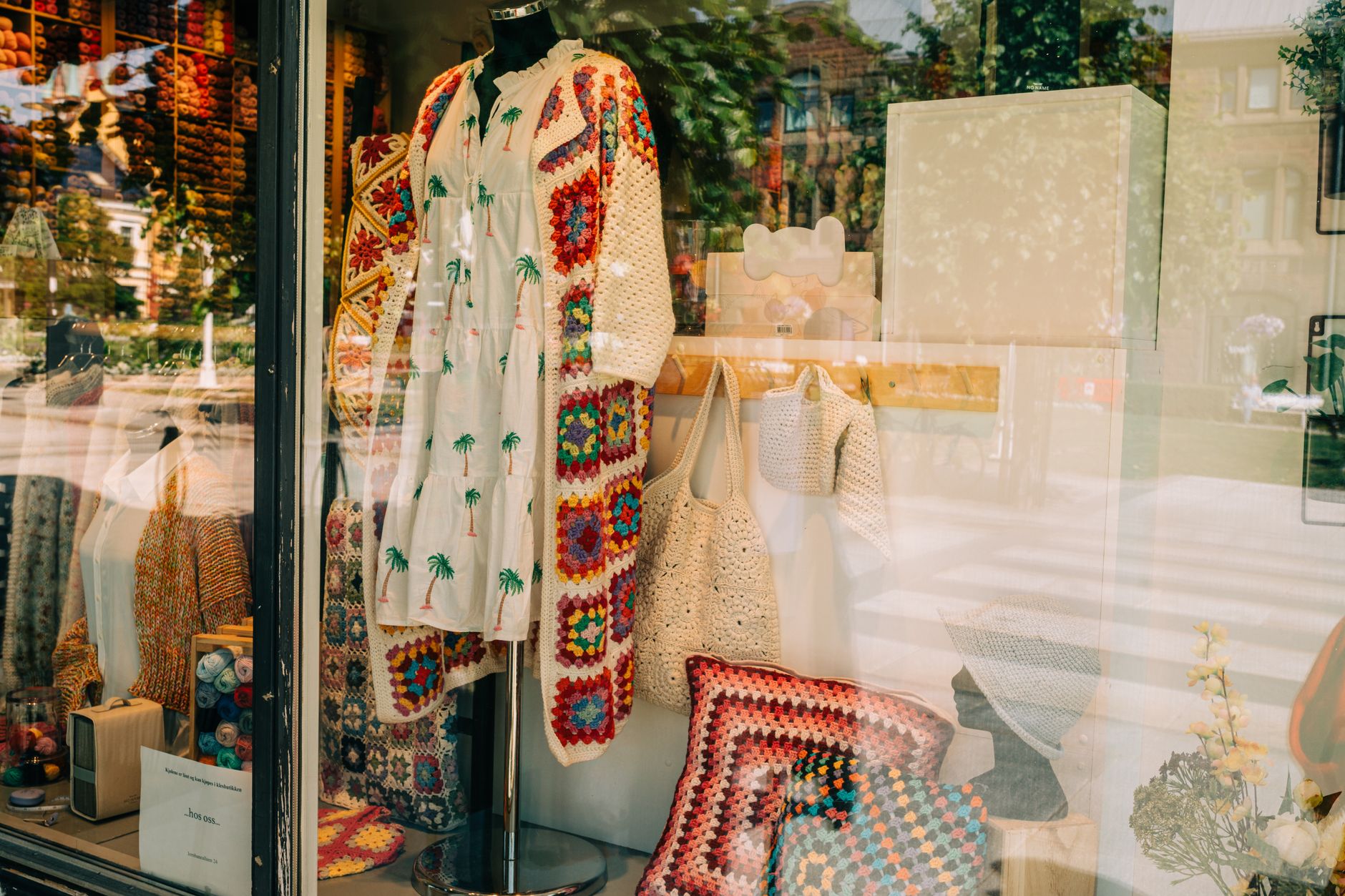
The shift has been building for a few years, but charity shops UK vintage 2026 is a genuinely different proposition to what it was even in 2022. I’ve been a regular in charity shops since my teens, partly necessity, mostly pleasure, and the change in how the better ones are run now is striking. It’s not just a fresh coat of paint. The whole operation has professionalised.
From cluttered rails to curated drops
The biggest change is editorial curation. Oxfam’s specialist boutiques, they have dedicated vintage and designer shops in cities including London, Manchester, and Edinburgh, now feel closer to a well-run independent than a traditional charity shop. Staff are trained to spot label quality, authenticate pieces, and price accordingly. British Heart Foundation furniture shops apply the same logic to homeware. Scope has been quietly improving its visual merchandising for several years.
Online has changed everything too. Oxfam’s eBay presence is enormous, shifting thousands of items a week. Cancer Research UK has its own dedicated online shop. When a rare piece comes in, a genuine 1970s Biba blouse, a signed first edition, a Barbour in excellent condition, it often goes straight to an online listing rather than the shop floor. That decision makes financial sense for the charity, but it does mean the floor finds are getting harder to come by. Some regular donors I’ve spoken to weren’t even aware their best pieces were being siphoned off to the web.
Who is actually behind the professionalisation?
A few forces are converging here. The first is cultural: secondhand has shed its stigma completely. The UK’s mainstream appetite for affordable alternatives has created a generation of shoppers who actively seek out preloved fashion, homeware, and books, and who expect a certain quality of experience when they do. Charity shops have had to meet that expectation or lose footfall.
The second force is financial pressure. According to the Charities Aid Foundation, retail income has become increasingly critical for major charities as grant funding tightens. Professionalising the shops isn’t a vanity project, it’s revenue strategy. A better-merchandised shop sells more, attracts higher-quality donations, and retains customers who might otherwise drift to Vinted or Depop.
The third is talent. A wave of graduates from fashion, retail management, and visual merchandising programmes have moved into charity retail, partly because it’s good experience, partly because many genuinely believe in the mission. Charity Retail Association data shows the sector employs around 23,000 paid staff in the UK and relies on over 230,000 volunteers. Training standards have gone up significantly across the board.
The vintage section is now a serious thing
Every charity shop that’s done the professionalisation properly has a vintage section now. Not just a corner with some 1990s blouses, but a properly signed, categorised rail with pieces priced to reflect their actual market value. I picked up a late-1980s Harris Tweed jacket from a British Heart Foundation shop in Bristol last autumn for £28, the same piece would fetch £80+ on Depop. Those gaps are closing, but they still exist if you know where to look.
This feeds into something broader happening across British shopping culture. The same instinct that’s driving renters to invest properly in their living spaces is also driving buyers to care about the provenance and quality of what fills those spaces. A charity shop armchair with a good story beats a flat-pack unit you’ll replace in three years. People are starting to feel that.
What it means if you’re donating
Here’s where it gets interesting, and slightly complicated. The professionalisation of charity retail means your donations are handled very differently depending on which shop you walk into. A shop with a dedicated trained pricer will spot that your old leather jacket has genuine value. A shop running entirely on volunteers with no specialist training might price it at £4.99 and sell it in an afternoon.
If you’re donating genuinely valuable pieces, vintage clothing, designer items, collectable homeware, first editions, it’s worth thinking about which charity shop you give to. Oxfam boutiques and Cancer Research UK shops in larger cities tend to have the best processes for identifying and appropriately pricing quality donations. You can also ask the shop directly whether they have someone who valuates donations. Most of the better-run ones do.
There’s also the question of Gift Aid. If you’re donating as a UK taxpayer and you sign up to Gift Aid on your donations, the charity can reclaim the basic rate tax on the sale, worth 25p per pound to them. HMRC’s Gift Aid scheme is still massively under-utilised in charity retail. The Charity Retail Association estimates hundreds of millions in Gift Aid goes unclaimed every year because donors don’t sign the form. Takes thirty seconds.
The tension between charity retail and the resale market
Not everyone is happy about the professionalisation. Some shoppers, particularly those who grew up using charity shops out of genuine financial need, feel priced out. When a secondhand M&S jumper is £12 in a charity shop and £8 on Vinted, something has gone skewed. The argument from charity retail is that higher prices reflect market value and generate more income for the cause. That’s true. But it’s worth acknowledging the tension.
There’s also a cultural shift in who charity shops are being designed for. A styled window display and an Instagram-ready vintage section speaks to a certain shopper. The broader question of whether charity retail still serves people who genuinely need affordable clothing, rather than those who want the thrill of a curated find, is one the sector is actively wrestling with.
That said, the reinvention has done something real. Charity shops UK vintage 2026 are pulling in a different demographic, generating more revenue for causes that need it, and creating a shopping experience that’s actually enjoyable rather than a dusty obligation. I’d take a well-run Oxfam boutique over a fast-fashion high street shop any day of the week. And increasingly, so would a lot of other people. The shops have changed. The shoppers have changed. The two things fed each other, and the result is something genuinely interesting.
Whether you’re there for the thrill of the find, the ethics, or just a decent vintage jacket at a price that doesn’t make you wince, British charity retail has earned a proper second look. Or a first one, if you’ve been sleeping on it.
Frequently Asked Questions
Are charity shops in the UK actually good for vintage finds in 2026?
Yes, though the landscape has changed. Specialist charity shop boutiques, particularly Oxfam vintage stores in major cities, have curated rails with properly priced vintage pieces. High street charity shops still offer finds, but the best items increasingly go to online listings first, so visiting regularly gives you the best chance.
Why have charity shop prices gone up so much?
Charity retailers have professionalised their pricing to reflect actual secondhand market values, partly to maximise income for their causes, and partly because trained staff can now identify quality pieces. The gap between charity shop prices and platforms like Vinted or Depop has narrowed, though bargains still exist.
Which UK charity shops are best for vintage clothing?
Oxfam’s dedicated vintage and boutique shops (in London, Manchester, Edinburgh, and other cities) are consistently the strongest. British Heart Foundation and Cancer Research UK shops in larger towns also tend to have trained pricers who handle vintage well. Smaller local hospice shops can still be goldmines if you visit regularly.
How does donating to a charity shop work, and does Gift Aid help?
You bring items to the shop, and if they meet quality standards they’ll be sold on the floor or listed online. If you’re a UK taxpayer and sign a Gift Aid declaration, the charity can reclaim an extra 25p per pound from HMRC at no cost to you, it’s the single easiest way to increase the value of your donation.